 FREE 1 to 3-Day Delivery on Orders $149+ Details

Jeep History: A Timeline of America's Off-Roading Vehicle

Extreme Terrain Staff
/ May 22 2026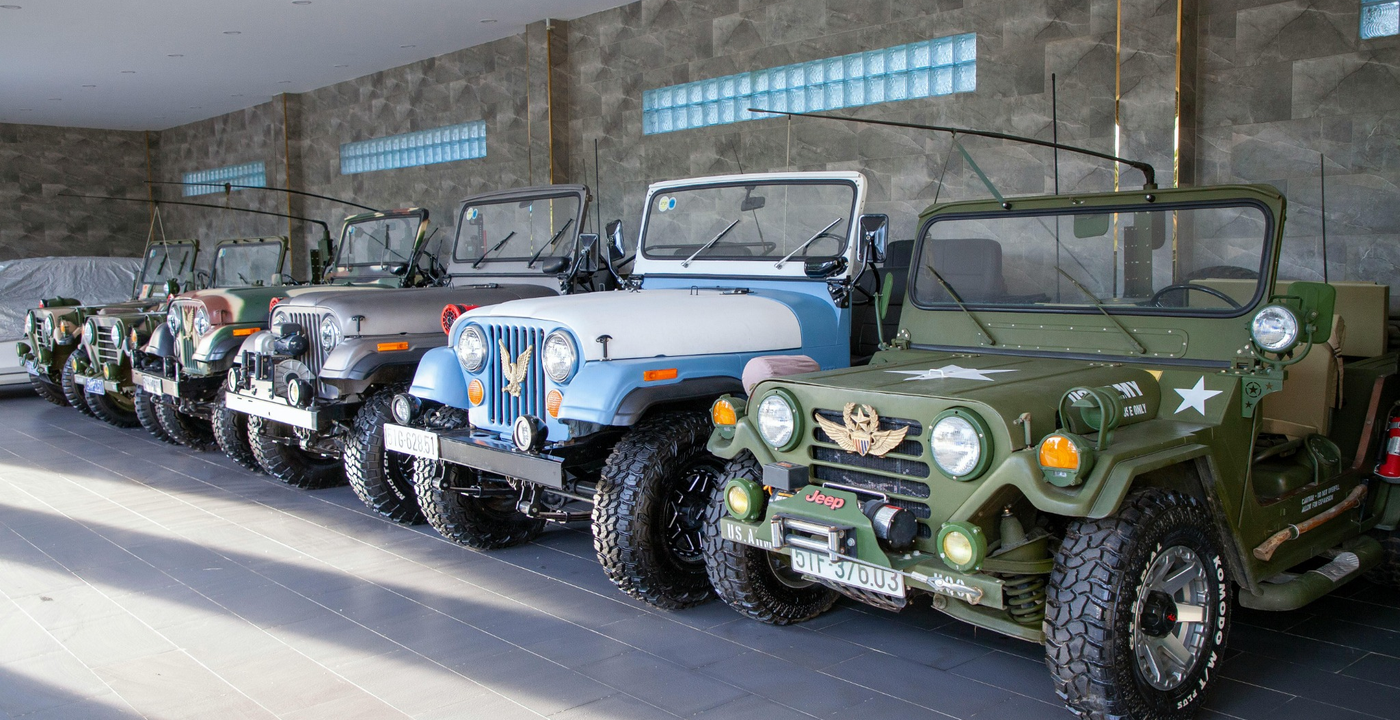
Few vehicles have shaped off-roading the way Jeep has. What began as a military necessity during World War II quickly evolved into a civilian icon, defining what capability, durability, and go-anywhere performance look like. From the original Willys MB to modern electrified 4x4s, Jeep has consistently pushed the boundaries of what a utility vehicle can do on trails, job sites, and highways alike. This timeline highlights the key models and milestones that built Jeep's reputation as one of the most influential off-road brands in the world.
1940-1949: Born for War, Built for Work
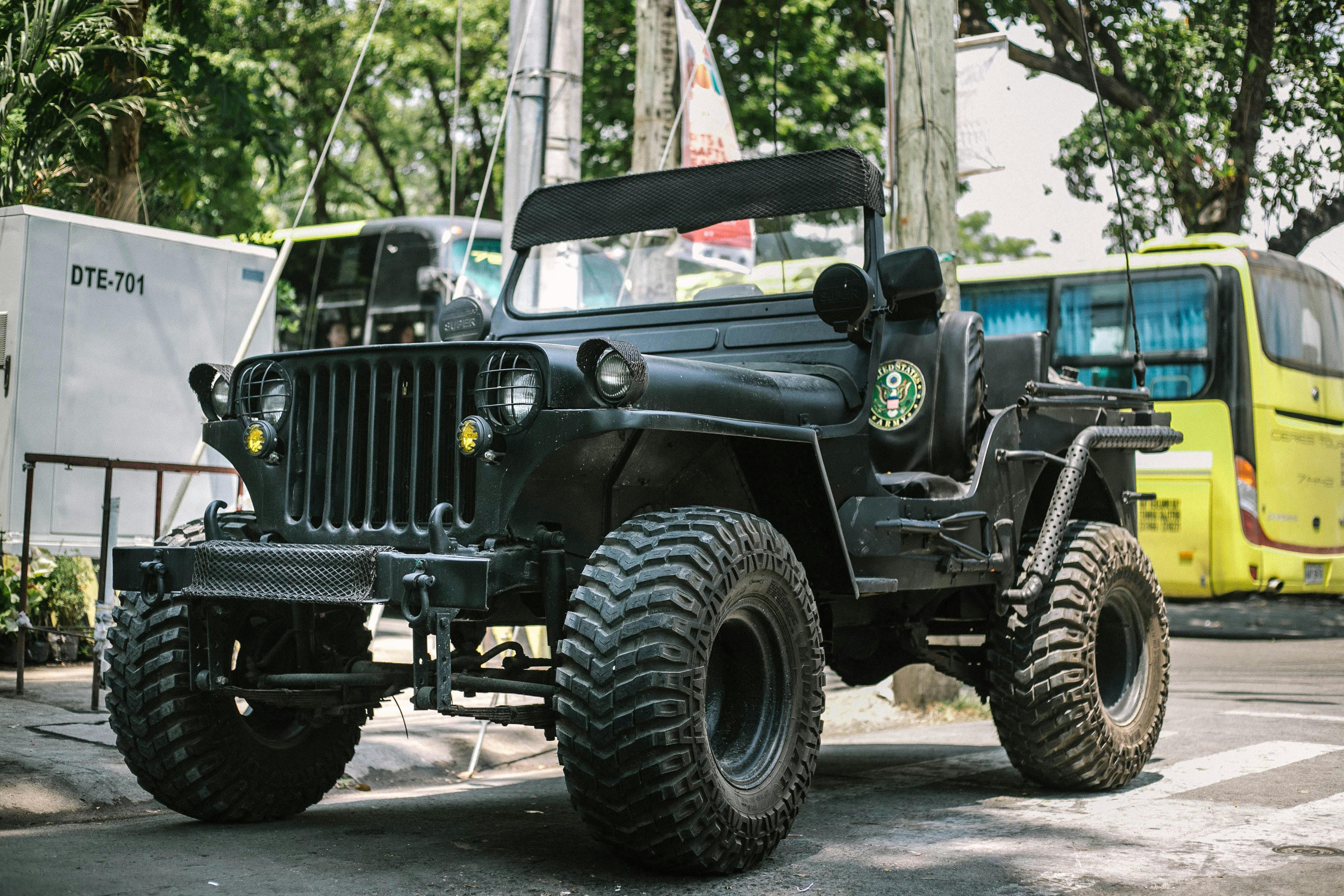
Jeep's story begins with urgency. In 1940, the U.S. Army called for a lightweight reconnaissance vehicle - something rugged, simple, and capable of handling any terrain. The result was a design that would change automotive history.
The Willys Quad prototype set the foundation, followed by the Willys MA and ultimately the Willys MB - the vehicle most people recognize as the original Jeep. Built for combat, the MB proved itself in every environment imaginable, from deserts to snowfields.
After the war, Jeep transitioned into civilian life with the CJ (Civilian Jeep) series, bringing that same rugged capability to farms, industry, and everyday drivers.
Key highlights:
- The Willys MB became one of the most versatile military vehicles ever produced
- The CJ-2A introduced Jeep capability to the civilian market
- Early utility models like the Willys Wagon expanded Jeep beyond military roots
Learn more:
1940-1949: Military Jeep
The Jeep in World War II
The Bantam Jeep Prototype, 1940
How Jeep Went From Battlefield Oddity to Lifestyle King
1950-1959: Expanding Utility and Civilian Appeal
The 1950s marked Jeep's transition from a wartime tool to a broader utility brand. Models became more refined, while still maintaining their rugged DNA.
The CJ-3A and CJ-3B improved usability, while Jeep trucks and wagons gained traction among farmers, businesses, and rural drivers. Four-wheel drive became more than a military feature - it became a selling point.
Key highlights:
- CJ models became more practical for everyday use
- Jeep trucks introduced new versatility in the pickup segment
- 4x4 systems gained popularity outside military applications
Learn more:
The 1948 Willys CJ-2A Jeep
1954 M38A1 Willy's Jeep Presentation
The History of the Jeep: Civilian Life
October 11, 1954: Willys/Jeep CJ-5 Begins Production
1960-1969: The Birth of the SUV Concept
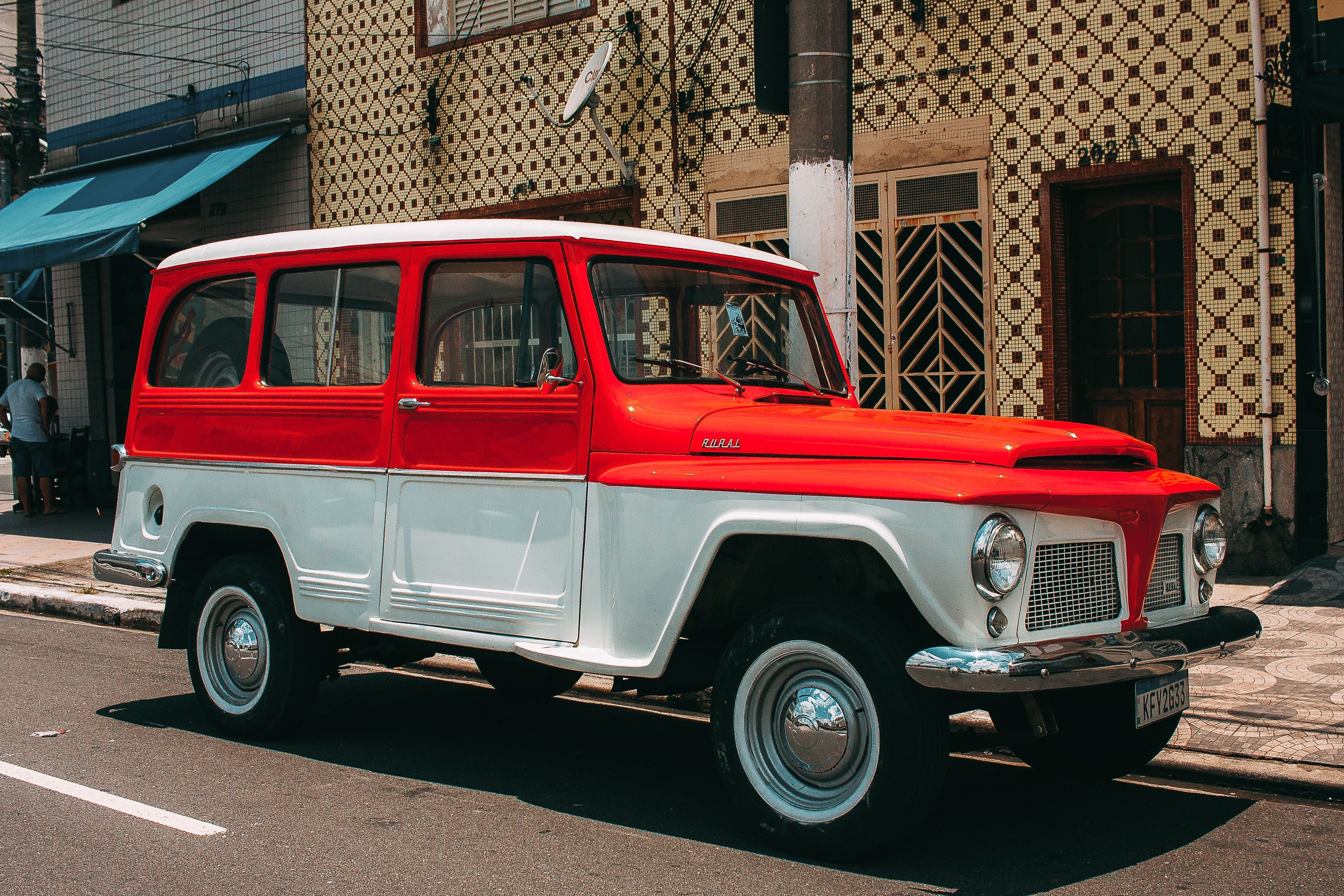
The 1960s were transformative. Jeep helped pioneer what we now recognize as the SUV with the introduction of the Wagoneer - combining off-road capability with comfort and family usability.
This decade also saw the introduction of more powerful engines and improved drivability, making Jeep vehicles more appealing to a wider audience.
Key highlights:
- Wagoneer helped define the modern SUV
- Increased focus on comfort and on-road usability
- Expansion into family-oriented vehicles
Learn more:
The Jeep Grand Wagoneer: A New Wave of Luxury SUVs
1985 Jeep Wagoneer
The Earliest SUVs
History of the Jeep: 1960s
1970-1979: Power and Performance
By the 1970s, Jeep leaned further into performance. Larger engines, improved suspension systems, and more capable drivetrains helped solidify Jeep's reputation in both recreational off-roading and utility work.
The CJ-5 became especially popular during this era, offering a balance of compact size and serious trail capability.
Key highlights:
- Increased engine power and drivetrain strength
- CJ-5 gained widespread popularity
- Jeep became more visible in recreational off-roading
Learn more:
History of the Jeep: 1970s
The History of Recreational Off-Roading
1980-1989: Modernization and the Wrangler Era Begins
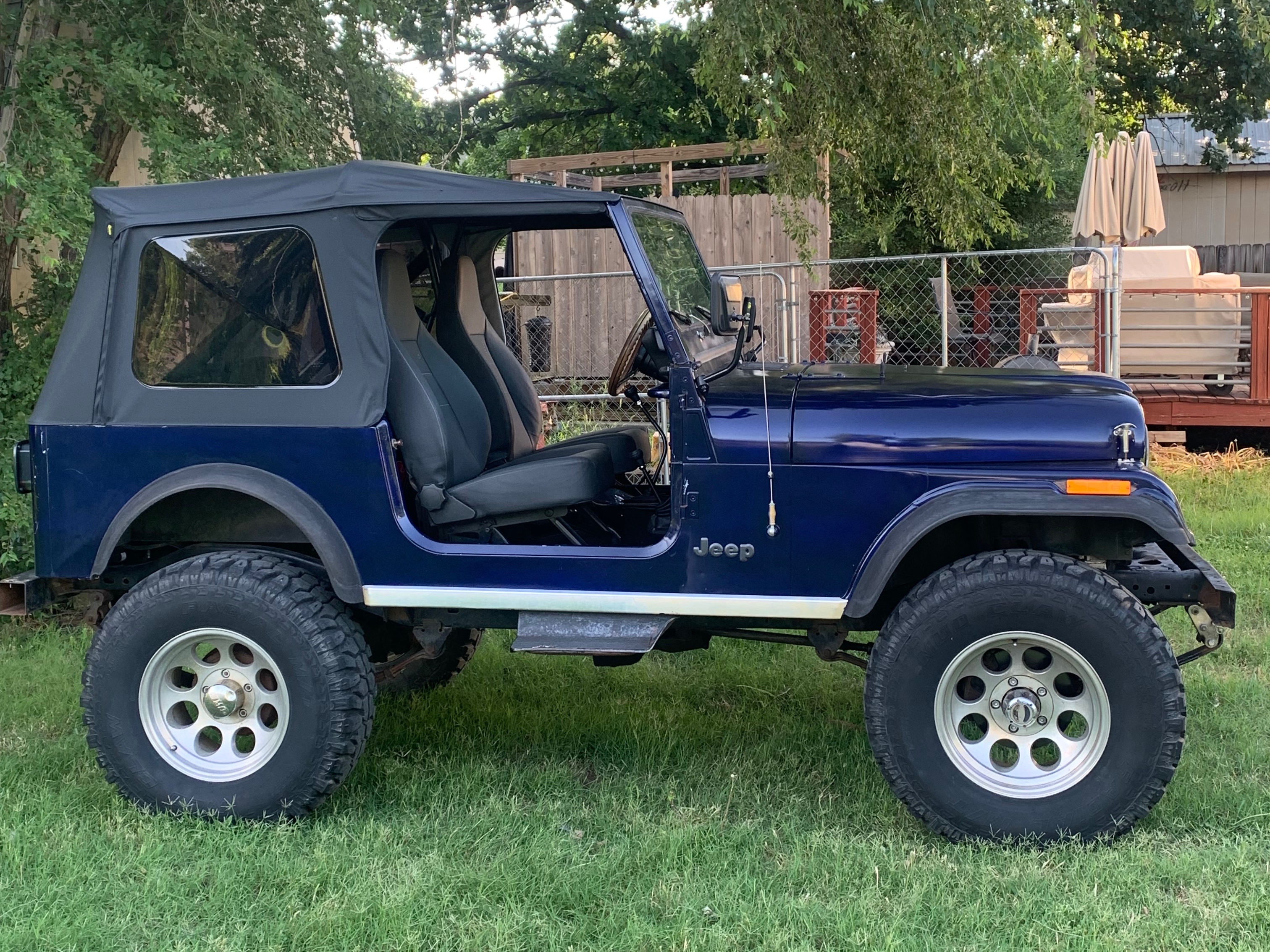
The 1980s introduced one of the most important shifts in Jeep history: the transition from CJ models to the Wrangler.
The Wrangler YJ brought improved comfort, safety, and handling while maintaining Jeep's off-road identity. This decade also saw advancements in suspension design and interior usability.
Key highlights:
- Introduction of the Jeep Wrangler (YJ)
- Improved ride quality and everyday usability
- Shift toward modern vehicle design standards
Learn more:
History of the Jeep: 1980s
A Visual History of the Jeep Wrangler, from 1986 to Present
1990-1999: Refinement and Capability
In the 1990s, Jeep refined its lineup with more advanced engineering and broader appeal. The Wrangler TJ introduced coil spring suspension, dramatically improving ride quality without sacrificing off-road capability.
Meanwhile, the Cherokee and Grand Cherokee helped Jeep dominate the growing SUV market.
Key highlights:
- Wrangler TJ introduced coil spring suspension
- Grand Cherokee expanded Jeep's luxury appeal
- Improved balance between comfort and capability
Learn more:
History of the Jeep: 1990s
Rise of the Grand Cherokee
Why Americans Prefer SUVs
2000-2009: Technology Meets Tradition
Jeep entered the 2000s with a focus on integrating modern technology while preserving its off-road roots. The Wrangler JK expanded in size and capability, introducing a four-door option that significantly broadened its appeal.
Trail-rated systems and improved drivetrain technologies reinforced Jeep's position as a leader in off-road performance.
Key highlights:
- Introduction of the four-door Wrangler
- Expansion of electronic traction systems
- Growth of Jeep's global presence
Learn more:
2010-2019: Innovation and Global Expansion
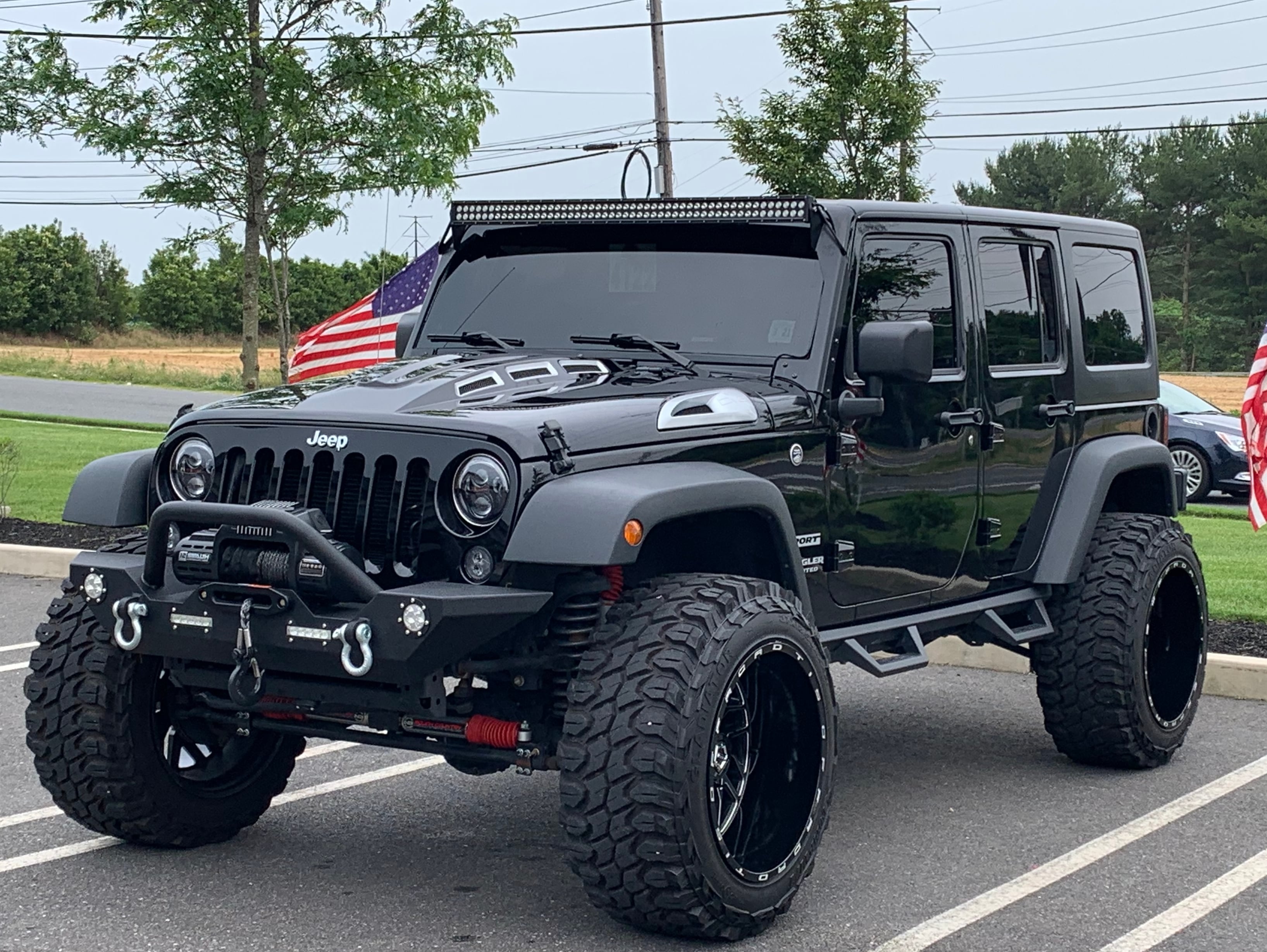
The 2010s brought major advancements in both performance and efficiency. Jeep expanded its global footprint while introducing more refined interiors, better fuel efficiency, and advanced off-road technology.
The Wrangler JL modernized the platform without losing its identity, while models like the Renegade and Compass broadened Jeep's reach.
Key highlights:
- Launch of the Wrangler JL
- Expansion into global markets
- Improved technology and efficiency
Learn more:
History of the Jeep: 2010s
Great Designs in Steel: The Jeep Wrangler
2020-Present: Electrification and the Future of Off-Roading
Today, Jeep is entering a new era with electrification. Hybrid and fully electric models aim to combine traditional capability with modern efficiency and sustainability.
Despite these changes, the core identity remains the same: vehicles designed to go where others can't.
Key highlights:
- Introduction of electrified Jeep models
- Continued focus on off-road capability
- Integration of modern driver-assist technologies
Learn more:
History of the Jeep: 2020s
Jeep Introduces All-Electric Wagoneer S
Jeep® Rubicon: Defining Off-road Capability for 85 Years
From the Jeep Willy to the Wagoneer: Additional Readings on Jeep
For a deeper dive into Jeep history and culture, these resources provide additional context and enthusiast perspectives: