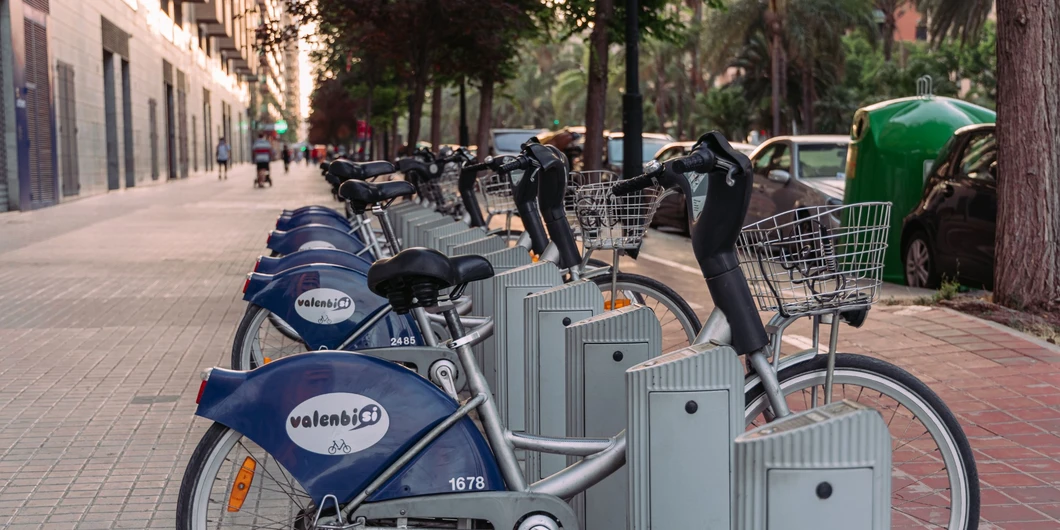
The way we choose to travel affects much more than the time it takes to get from one place to another. Transportation choices influence air quality, traffic congestion, public health, and the greenhouse gas emissions linked to climate change. This guide breaks down the core concepts of eco-friendly transportation, the most sustainable options available today, the challenges created by modern infrastructure, and practical ways to make everyday travel greener.
Basic Green Transportation Glossary
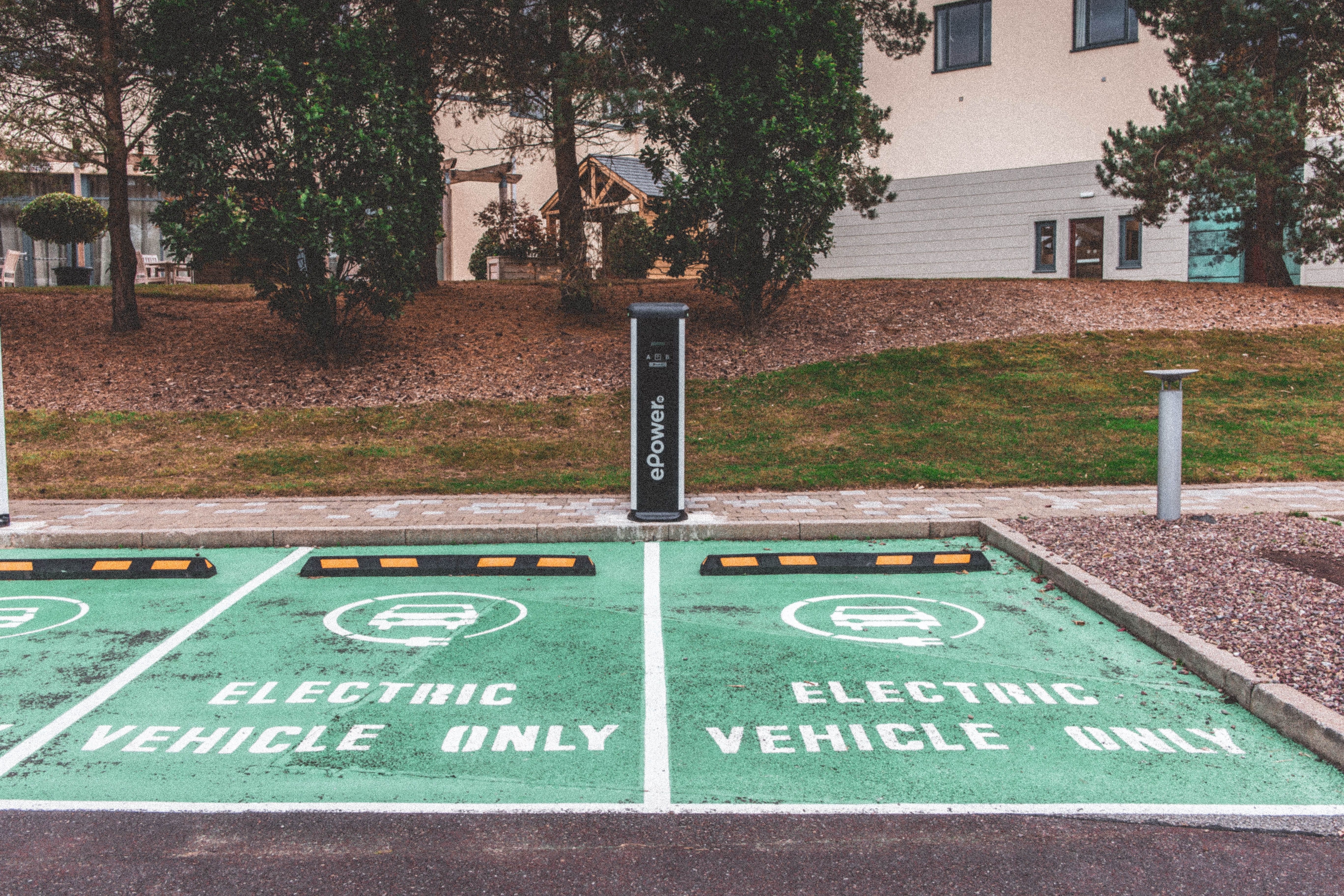
Carpooling: The arrangement where multiple people travel together in a single vehicle to a shared destination, reducing the number of cars on the road and cutting down on per-person emissions.
Carbon footprint: The total amount of greenhouse gases (including carbon dioxide and methane) that are generated by our actions, including the transportation methods we choose.
Electric vehicle (EV): A vehicle that operates entirely or partially on electricity stored in rechargeable battery packs rather than relying solely on a traditional internal combustion engine.
Emissions: The exhaust gases and particles released into the air by vehicles significantly contribute to air pollution and global climate change.
Eco-friendly transportation: Any form of transit that minimizes negative impacts on the environment, typically through reduced energy consumption, lower carbon emissions, and sustainable infrastructure.
Fuel efficiency: A measure of how far a vehicle can travel on a specific amount of fuel, usually calculated in miles per gallon (MPG). Higher efficiency means less fuel burned and fewer emissions.
Hybrid vehicle: A vehicle that combines a conventional internal combustion engine with an electric motor and battery bank, alternating between the two to improve overall fuel economy.
Micromobility: Lightweight, small-scale vehicles operating at low speeds, typically driven by single users. Examples include bicycles, e-bikes, and electric scooters.
Public transportation: Shared passenger transport services available for use by the general public, running on established routes and schedules (e.g., buses, subways, light rail).
Shared mobility: Transportation services and networks that are shared among users, such as bike-sharing programs, ride-hailing services, and car-share clubs.
Sustainable transportation: A broad transportation system that is safe, affordable, accessible, and operates within the environmental carrying capacity of the planet over the long term.
Zero-emission transport: Vehicles or modes of transit that emit no exhaust gas or pollutants directly from their onboard source of power (e.g., bicycles, fully electric cars).
Why Eco-Friendly Transportation Matters
Transportation is one of the largest sources of greenhouse gas emissions globally. Every time an internal combustion engine burns fossil fuels, it releases carbon dioxide and other harmful pollutants directly into the atmosphere, accelerating climate change at an unsustainable rate.
Furthermore, traditional transit drives severe air pollution, heavy traffic congestion, and significant health issues in cities. Smog and fine particulate matter from exhaust pipes are directly linked to respiratory illnesses, asthma, and cardiovascular problems in densely populated urban centers, disproportionately impacting vulnerable communities.
The good news is that everyday travel choices can significantly reduce this environmental impact. Shifting away from single-occupancy gas vehicles toward greener alternatives can lower your personal carbon footprint over time. When adopted on a large scale, these choices reduce urban congestion, improve local air quality, and drive market demand for cleaner, more sustainable transportation infrastructure.
What "Eco-Friendly Transportation" Actually Means
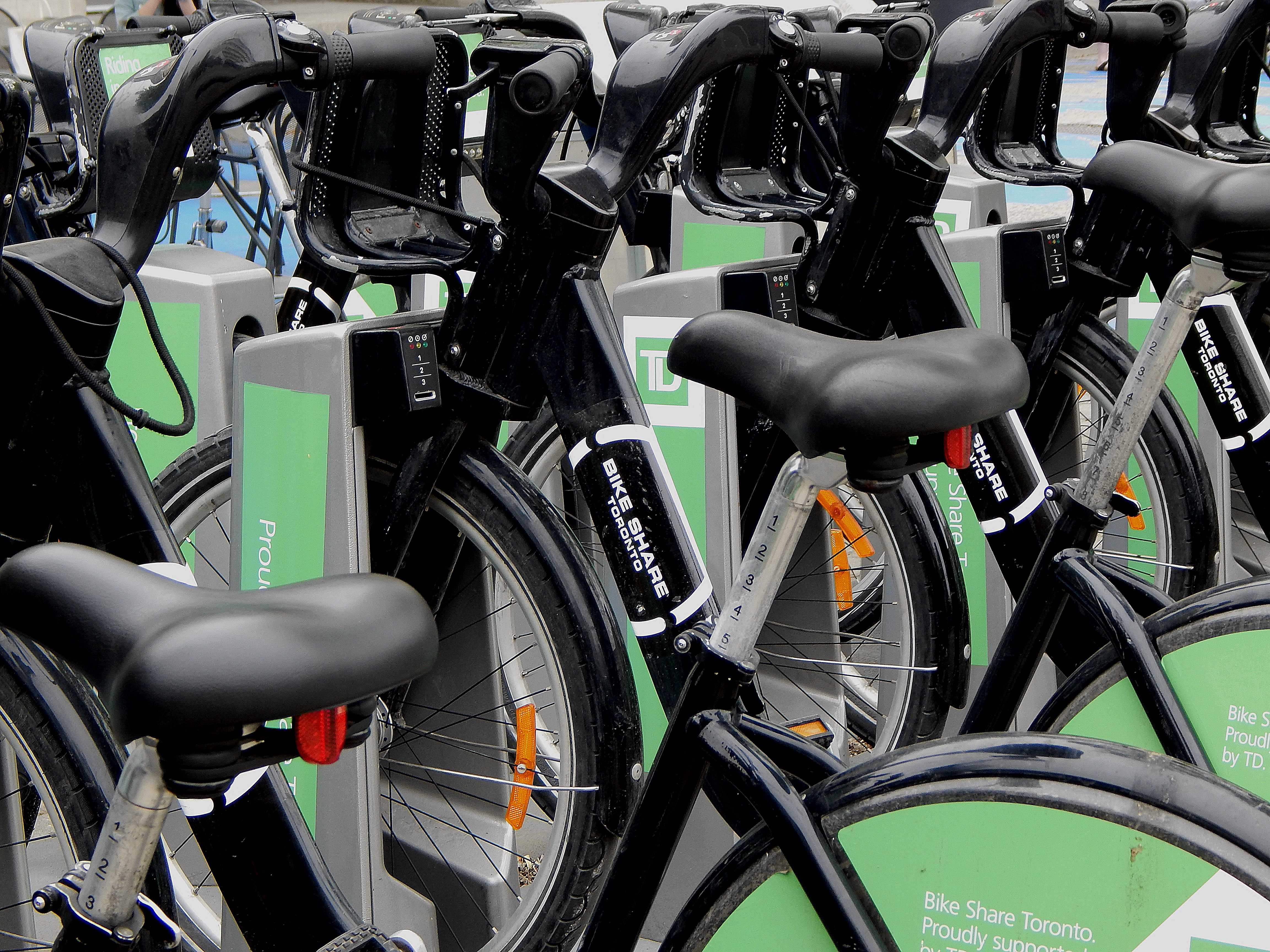
Eco-friendly transportation is the practice of moving people and goods using methods that cause as little damage to the environment as possible. It involves prioritizing energy efficiency, minimizing fossil fuel burning, and adopting habits that keep our air and waterways clean.
Types of Eco-friendly Transportation
Not all green transportation looks the same. Depending on where you live and how far you need to go, sustainable transit generally falls into three main categories:
- Zero-emission: This includes active transport like walking and cycling, as well as fully electric transit options. Because walking and cycling don't rely on engines or fuel, they produce no vehicle exhaust and are among the lowest-impact ways to travel.
- Low-emission: This includes high-capacity public transportation networks (such as modern buses and trains) and hybrid vehicles. While they may still consume some fuel, they transport people much more efficiently, drastically reducing per-passenger emissions compared to a standard car.
- Efficiency-based: This approach focuses on optimizing the vehicles we already use. Methods include carpooling, practicing eco-driving techniques, and shared mobility networks. It also involves keeping your current vehicle well-maintained; for example, replacing worn engine parts ensures the motor doesn't work harder than necessary, saving fuel and reducing exhaust emissions.
The Most Sustainable Options
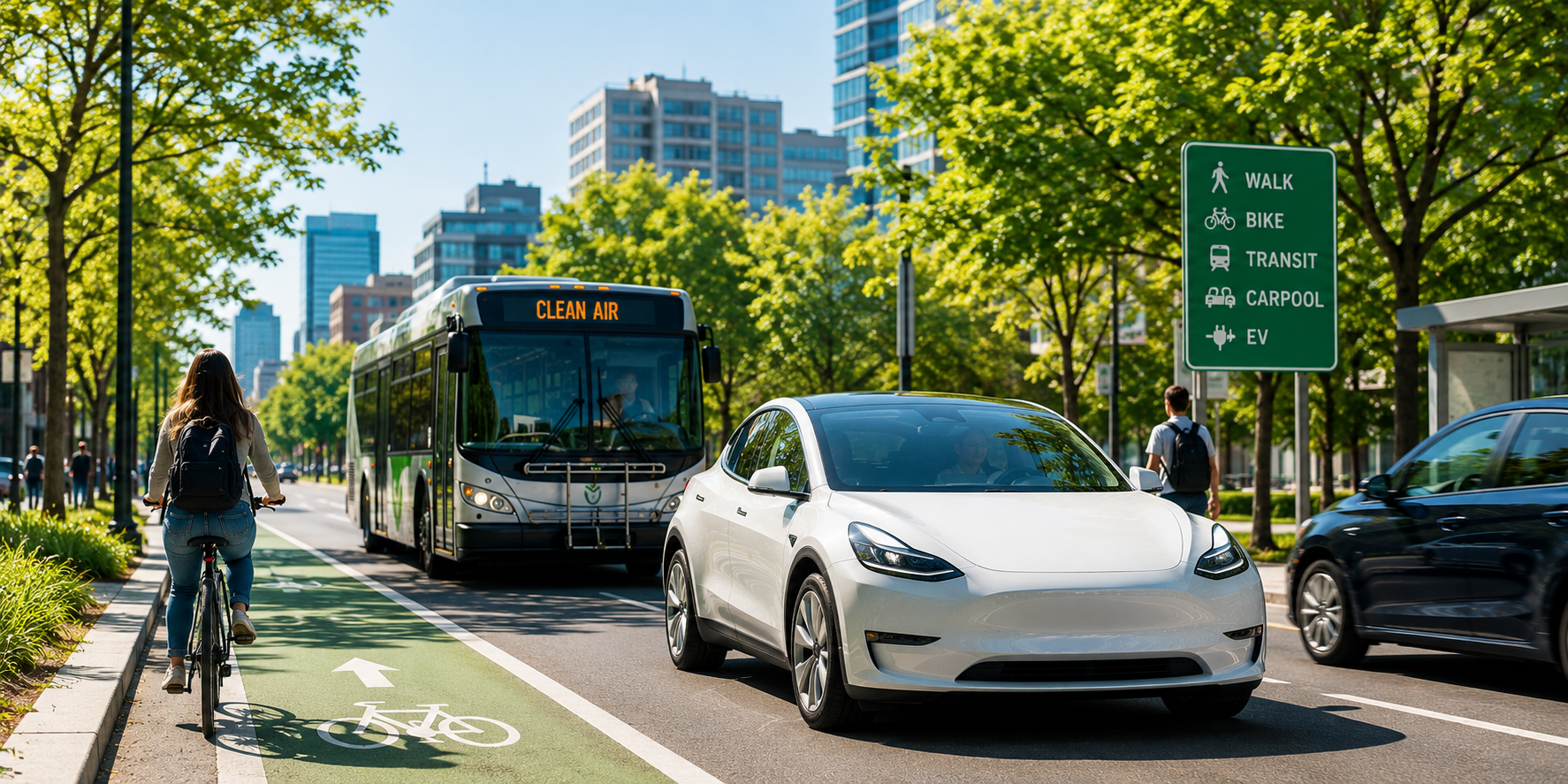
When evaluating how to get from point A to point B, some methods are inherently better for the planet than others. Here is a breakdown of the most sustainable transportation choices available today.
Walking and Cycling
Active transportation is one of the lowest-impact ways to travel, especially for short trips. Walking and traditional cycling require zero external energy sources, produce zero emissions, and have the added benefit of improving personal cardiovascular health. For short, local trips, choosing active transit is the most impactful environmental choice you can make.
Public Transportation
Buses, subways, light rail, and commuter trains are the backbone of sustainable city living. By moving dozens or hundreds of people in a single trip, public transit significantly reduces per-person energy expenditure. A fully loaded city bus takes dozens of single-occupancy cars off the road, heavily reducing both traffic gridlock and neighborhood emissions.
Shared Mobility Carpooling
When public transit isn't viable, sharing a ride is the next best option. Shared mobility programs and workplace carpooling cut the number of vehicles on the highway in half (or more). This efficiency drastically lowers your individual carbon footprint and helps alleviate the daily rush-hour congestion that causes vehicles to sit idle and waste fuel.
Electric Vehicles (EVs)
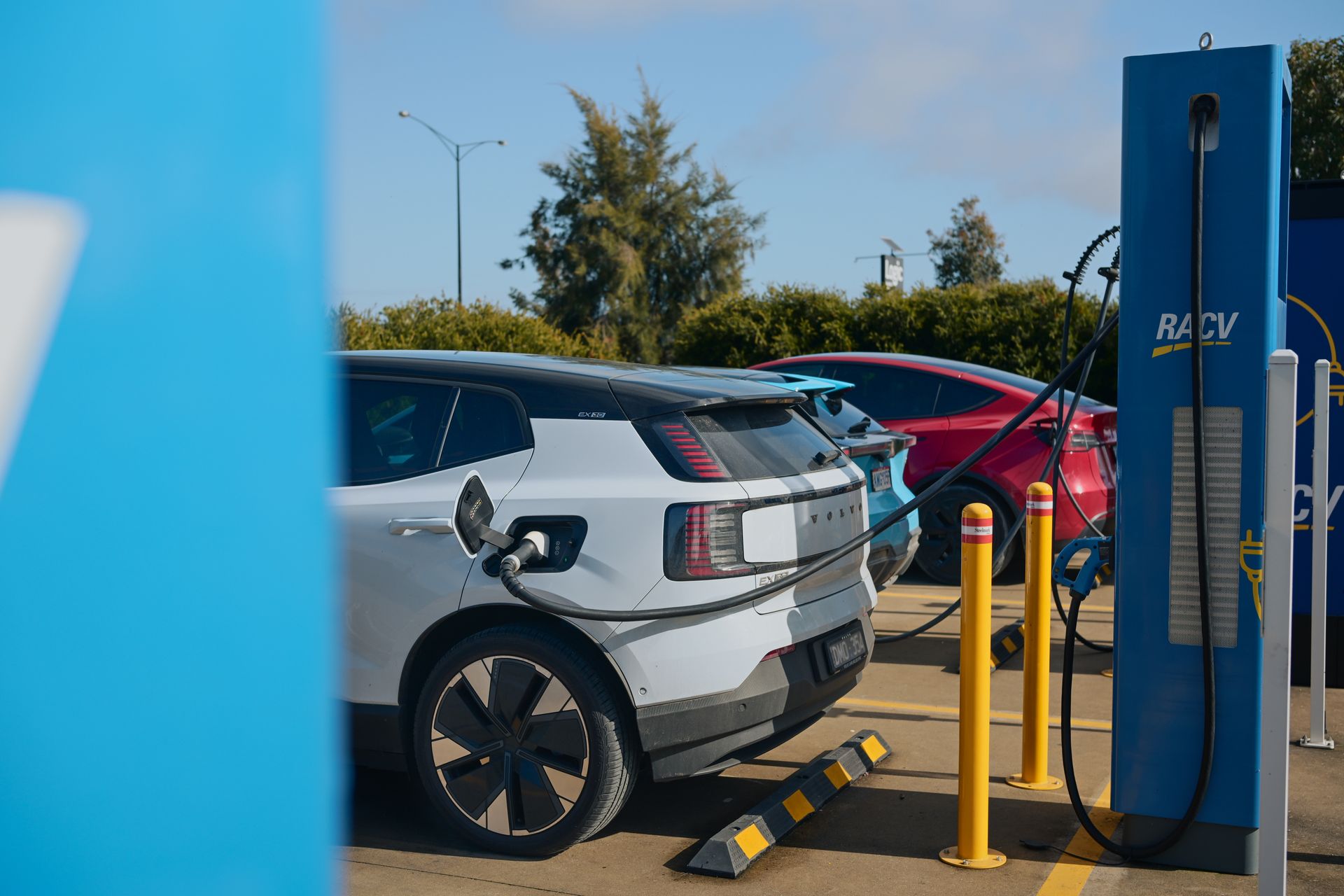
Electric vehicles are an important part of cleaner personal transportation. Because they run entirely on battery power, they produce zero tailpipe emissions. While manufacturing EVs has an environmental cost, over their lifespan, they are significantly cleaner than gas-powered cars - especially when charged with renewable energy sources like wind or solar power.
Hybrid and Efficient Gas Vehicles
For many, fully transitioning away from gas isn't immediately possible. In these cases, hybrid vehicles offer a fantastic middle ground by utilizing regenerative braking and electric assist to stretch fuel efficiency. Even for traditional vehicles, keeping up with proactive repairs using proper tools & maintenance kits ensures your vehicle runs as efficiently and cleanly as possible until you are ready to upgrade to a greener model.
Practical Ways to Travel Greener Today
- Walk or bike for errands within 2 miles of your home.
- Check your local transit schedules and commit to taking the bus or train at least one day a week.
- Organize a carpool with coworkers who live in your area or along your route.
- Combine multiple errands into a single trip to avoid unnecessary back-and-forth driving.
- Avoid idling your engine; if you are parked for more than 60 seconds, turn the car off.
- If you drive a pickup or utility vehicle, look for ways to reduce aerodynamic drag and avoid carrying unnecessary weight, both of which can improve fuel efficiency.
- Lighten your vehicle's load by removing heavy, unnecessary items from your trunk to boost MPG.
- Keep your tires properly inflated or upgrade to more efficient designs to maintain optimal rolling resistance.
- Use navigation apps to find the most direct, traffic-free route before starting your trip.
- Consider renting an electric scooter or participating in a bike-share program for the "last mile" of your commute.
Cities and Systems Matter
While individual choices are important, the overarching infrastructure of our environments dictates how we travel. Cities designed primarily for cars naturally increase emissions because residents have no other safe or reliable options. Sprawling suburbs force people into their vehicles for even the smallest errands.
Conversely, walkable neighborhoods and integrated transit systems dramatically reduce emissions. When cities implement policy tools such as protected bike lanes, massive rail investments, and urban congestion pricing, they shape public behavior far more effectively than individual choices alone. Sustainable transportation is ultimately a systemic issue; people will reliably choose greener transit when it is safe, affordable, and convenient.
Challenges and Limitations
Despite the clear benefits, transitioning to eco-friendly transportation is not without hurdles. Public transit isn't available everywhere; millions of people live in "transit deserts" where buses and trains simply do not exist.
Furthermore, while Electric Vehicles are an excellent solution, they depend heavily on robust charging infrastructure and clean energy grids. If an EV is charged on a grid powered entirely by coal, its environmental benefits are somewhat diminished. Additionally, rural areas often rely entirely on cars due to sheer distance, and the upfront cost barriers of purchasing an EV, e-bike, or moving to a dense, walkable city center can limit access to greener options for many lower-income families.
Conclusion: Progress Over Perfection
When it comes to sustainable travel, no single mode of transportation solves everything. The goal isn't necessarily to banish every car from the road tomorrow, but rather to recognize that the biggest gains come from reducing our car dependency wherever it is possible and practical.
Whether it means taking the train twice a week, investing in a hybrid for your next vehicle, or simply walking to the local grocery store, small shifts in our daily habits can add up to large, measurable environmental benefits. By prioritizing progress over perfection, we can all contribute to cleaner air and a healthier planet.
Additional Resources