Car and vehicle STEM experiments help students explore how weight, wheels, friction, power sources, and aerodynamics affect vehicle performance. By testing one variable at a time, learners practice the engineering design process while building problem-solving and critical-thinking skills.
 FREE 1 to 3-Day Delivery on Orders $149+ Details

Car and Vehicle STEM Experiments

Extreme Terrain Staff
/ Jul 14 2026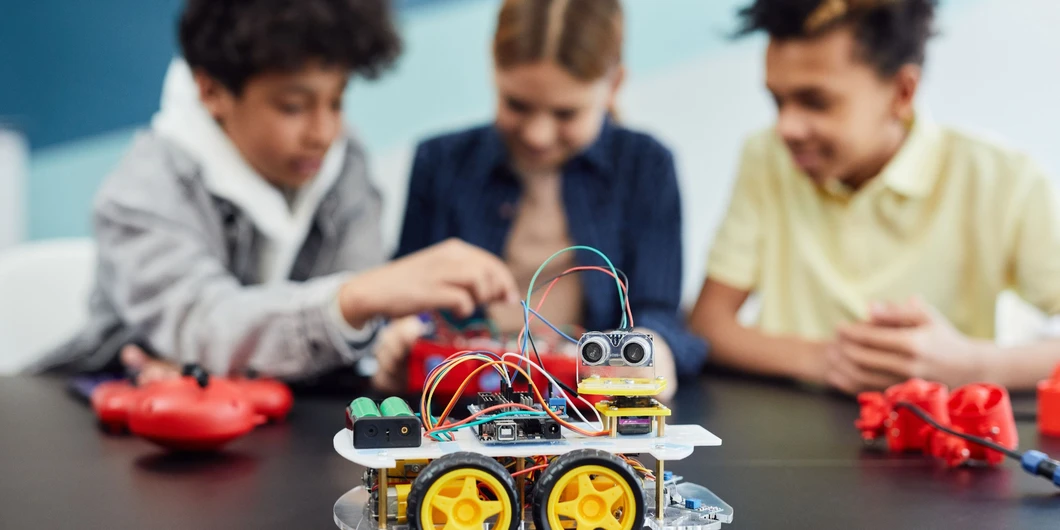
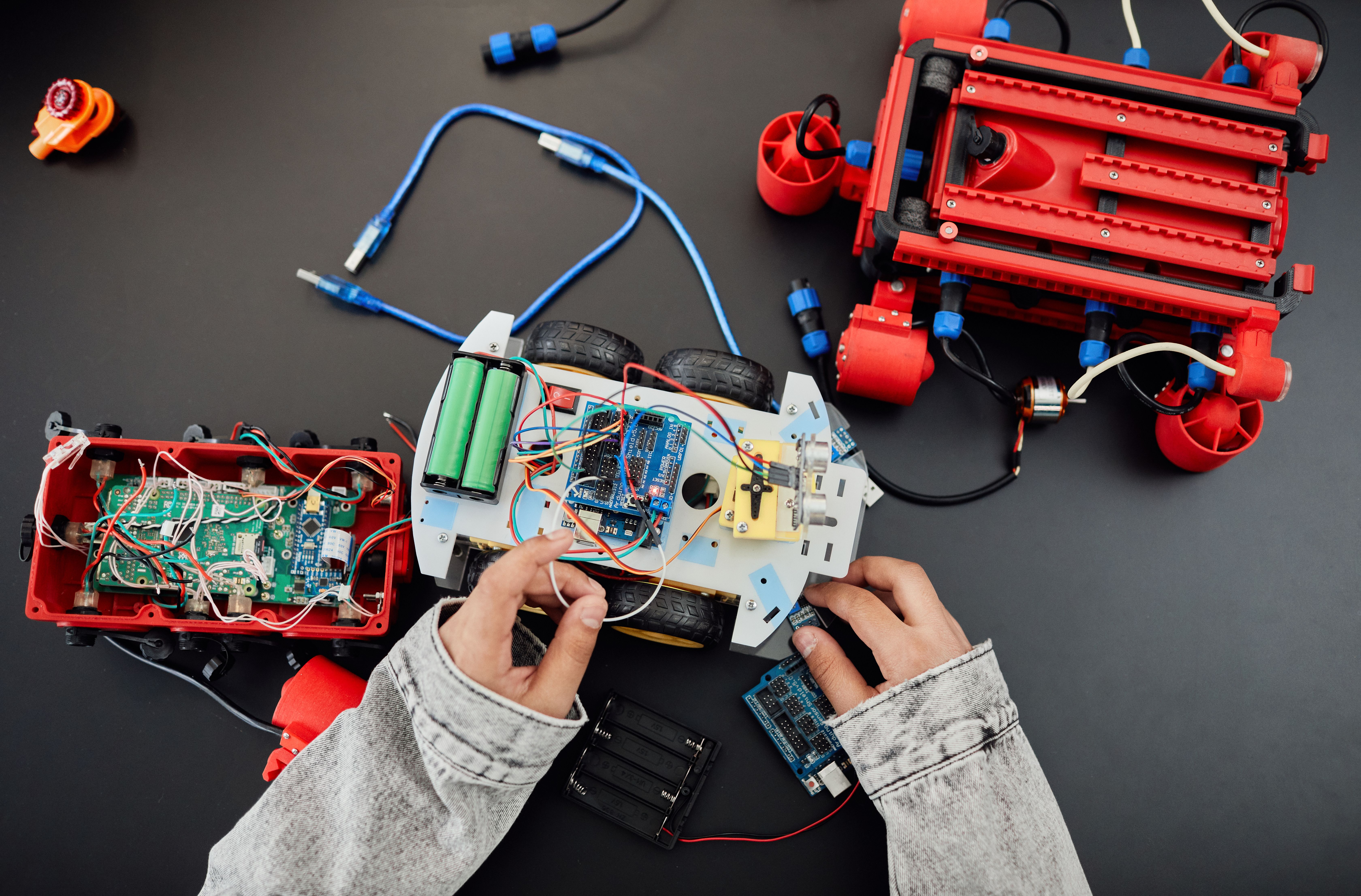
What happens if you make a model car lighter? Will it travel farther? What if you use different types of wheels, or power it with a balloon instead of pushing it by hand? Sometimes, a small change can completely change the results, and that's what makes vehicle STEM experiments so much fun.
If you build your own car, you might have a single goal in mind, like seeing how fast it can go. But many different things can affect how a vehicle performs, and every test is a chance to ask new questions, try new ideas, and figure out why something worked, or why it didn't. Even if you're just building a Lego car, you'll test each change using some of the same science and engineering concepts that professionals use to design everything from race cars to electric vehicles.
As you try out different designs, you'll discover how forces, motion, energy, friction, and aerodynamics affect the way a vehicle performs. Home or school car-building projects can even introduce you to topics like renewable energy, electronics, machine learning, and autonomous vehicles. Whether you're experimenting with a balloon-powered car or testing different wheel designs, each project helps turn STEM concepts into something you can see and measure.
The best part? There isn't a single "right" answer. Before a new vehicle reaches the road, engineers build prototypes, test their ideas, learn from the results, and make improvements. Your own vehicle experiments are no different, helping you develop creativity, critical thinking, and problem-solving skills while discovering how real cars are designed and built.
Vocabulary
Knowing a few common vehicle and STEM terms will make it easier to understand how each experiment works.
- Alternative energy: Power that comes from sources other than gasoline or diesel, such as electricity, hydrogen, or sunlight.
- Autonomous vehicle: A vehicle that can drive itself by using cameras, sensors, and computer systems to make decisions.
- Axle: A rod that holds the wheels in place but lets them spin.
- Chassis: The main frame of a vehicle that supports all of its major parts.
- Differential: A set of gears that lets the wheels on the same axle turn at different speeds when a vehicle goes around a corner.
- Driveshaft: A rotating shaft that carries power from the engine to the drivetrain.
- Drivetrain: The group of parts (including Differential and Driveshaft) that carries power from the engine to the wheels so the vehicle can move.
- Engineering design process: A step-by-step method for solving problems by planning, building, testing, and improving a design.
- Forces of motion: Pushes and pulls that change how an object moves.
- Gears: Toothed wheels that work together to transfer power and change the speed or force of the engine's output.
- Kinetic energy: The energy an object has while it is moving compared to when it is motionless.
- Machine learning: A type of artificial intelligence that learns from data to recognize patterns and improve over time.
- Newton's laws of motion: Three scientific laws that explain how objects move and react to forces.
- Potential energy: Stored energy that can be released to create movement.
- Renewable energy: Energy that comes from natural sources that are constantly replaced, such as sunlight or wind.
- Shock absorber: A liquid-filled tube that helps reduce the effect of bumps and keeps a vehicle more stable on rough roads.
- Solar power: Electricity produced by capturing energy from sunlight.
- Suspension system: A group of parts, including springs and shock absorbers, that helps a vehicle handle bumps and stay stable.
- Wheels: Round parts that support a vehicle and allow it to roll.
Experiments
Once you have a basic vehicle design, the real experimenting begins. You can change one part at a time, test how the vehicle performs, and compare the results. Try adjusting the weight, wheel size, power source, or axle placement, then measure what changes. Each test gives you new information you can use to improve your design.
Moving the axle a little farther back might improve balance. Swapping one set of wheels for another could change how smoothly your car rolls. You might even discover that reducing friction helps your vehicle travel farther than you expected. Each test teaches you something new, even when the result isn't what you predicted.
Also, each experiment can help you see a scientific idea in action. For example, balloon-powered cars show how stored energy becomes movement, while wind- and solar-powered models demonstrate different ways to generate motion. Other activities let you investigate suspension systems, crash safety, gears, and differentials to see how each part helps a vehicle perform. If you're interested in newer technology, you can even explore sensors, automatic braking, and the basics of self-driving cars.
Don't worry if your first design doesn't work perfectly. Even engineers rarely get everything right on the first attempt. What they do have is experience choosing the right tools for each stage of the engineering process. Good tools can make it easier to build, test, and improve your designs. That's exactly how the engineering design process works, and it's exactly what makes STEM experiments both challenging and rewarding.
Not every experiment will go as planned, and that's okay. Sometimes the most interesting discoveries come from results you didn't expect.

Suggested STEM projects
- Balloon-Powered Car Challenge
- Fan Cart
- Mouse Trap Car Design
- MacGyver Windmills
- Free Throw
- Building Better Buses
- Egg Drop Project
- STEM Olympiad Challenge
Career Paths
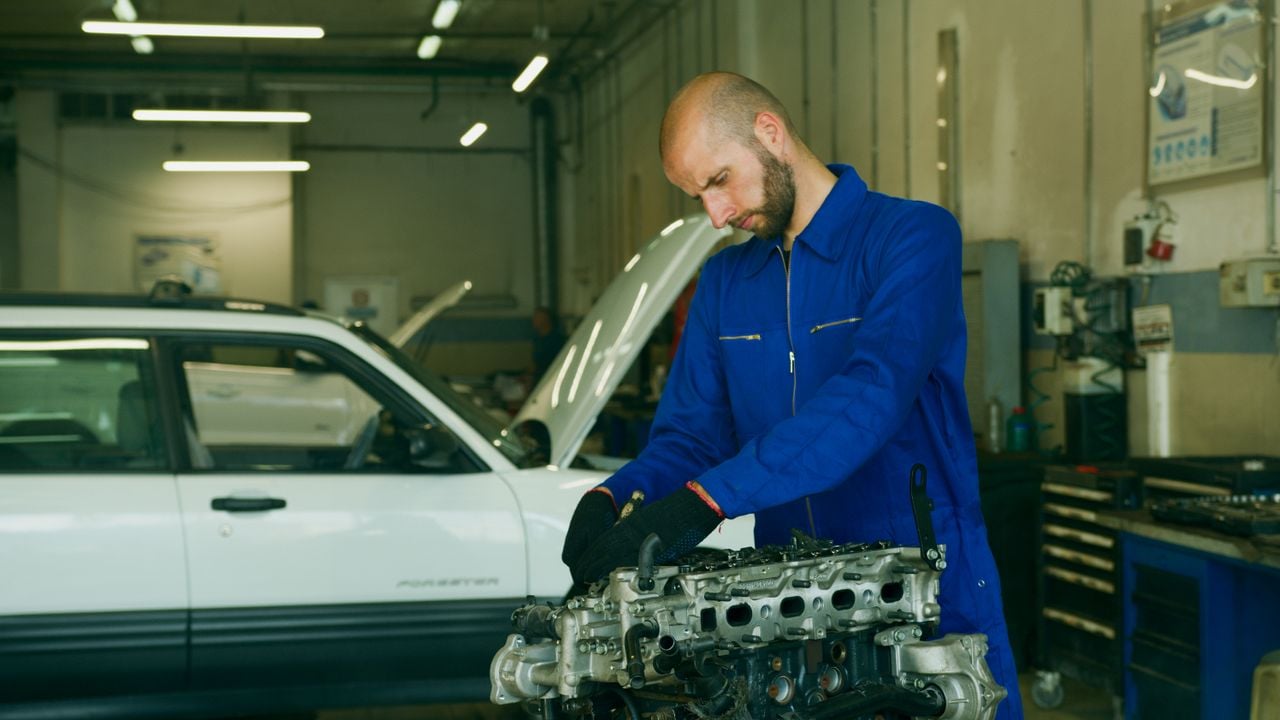
The model car you're building today could be the start of a future career. Many engineers, mechanics, and inventors first became interested in STEM by taking things apart, trying out building projects, or wondering how machines worked.
Today's vehicles combine mechanics, electronics, computer programming, robotics, and artificial intelligence to make driving safer, smarter, and more efficient. That means there are many different career paths for students who enjoy designing, building, or discovering how things work. Whether you're interested in creating faster race cars, developing electric vehicles, improving off-road performance, or helping design the next generation of self-driving cars, there's a place for almost every STEM interest in the automotive world.
Engineers design stronger and lighter vehicles, technicians keep them running, software developers create the systems that power modern features, and manufacturing specialists find better ways to build them. Other professionals focus on vehicle safety, renewable energy, batteries, or new transportation technologies that could change how people travel in the future.
Career resources
- Types of Engineering Careers
- Future City competition
- Camp Invention
- Student Summits
- Robotics Competition
- Software Developer Tutorials
- Ask an Engineer
Additional Resources
Every vehicle experiment can lead to a new question, and that's one of the best parts of STEM. Maybe building a balloon-powered car made you curious about energy, or testing different wheel designs got you thinking about friction and motion. Whatever catches your curiosity, there's always another topic to explore.
Learning more about physics can help you understand why cars speed up and slow down in a controlled manner, or why they can be steered so precisely. Exploring circuits and electronics is a great next step if you want to build powered vehicles or learn how headlights, sensors, and other electrical systems work. If you're curious about self-driving cars, coding and artificial intelligence can show you how computers help vehicles make decisions. You can also discover inspiring stories about scientists and engineers who are shaping the future of transportation and technology.
The more you explore, the more you'll realize that STEM subjects connect in surprising ways. Each new skill or idea you learn can help you design smarter experiments, tackle bigger engineering challenges, and keep exploring the technology that powers the vehicles of today and tomorrow.
Continue exploring
Frequently Asked Questions
What are car and vehicle STEM experiments?
Car and vehicle STEM experiments are hands-on projects that use model cars, balloon-powered vehicles, wheel tests, and other builds to teach science, technology, engineering, and math concepts.
How does making a model car lighter affect performance?
Reducing a model car’s weight can help it move farther or faster because the vehicle needs less energy to overcome resistance and inertia.
What variables can I test in a vehicle STEM project?
Common variables include weight, wheel size, axle placement, friction, power source, surface type, and body shape. Changing one factor at a time makes results easier to measure.
How do balloon-powered cars work?
Balloon-powered cars move when stored air from the balloon is released and creates thrust, turning potential energy into kinetic energy.
What skills do vehicle STEM experiments teach?
Vehicle STEM experiments build skills in engineering design, testing, measurement, critical thinking, creativity, and problem-solving while introducing concepts like forces and motion.