 FREE 1 to 3-Day Delivery on Orders $149+ Details

The Best Jeep Trails in the US: A State-by-State Guide

Extreme Terrain Staff
/ May 22 2026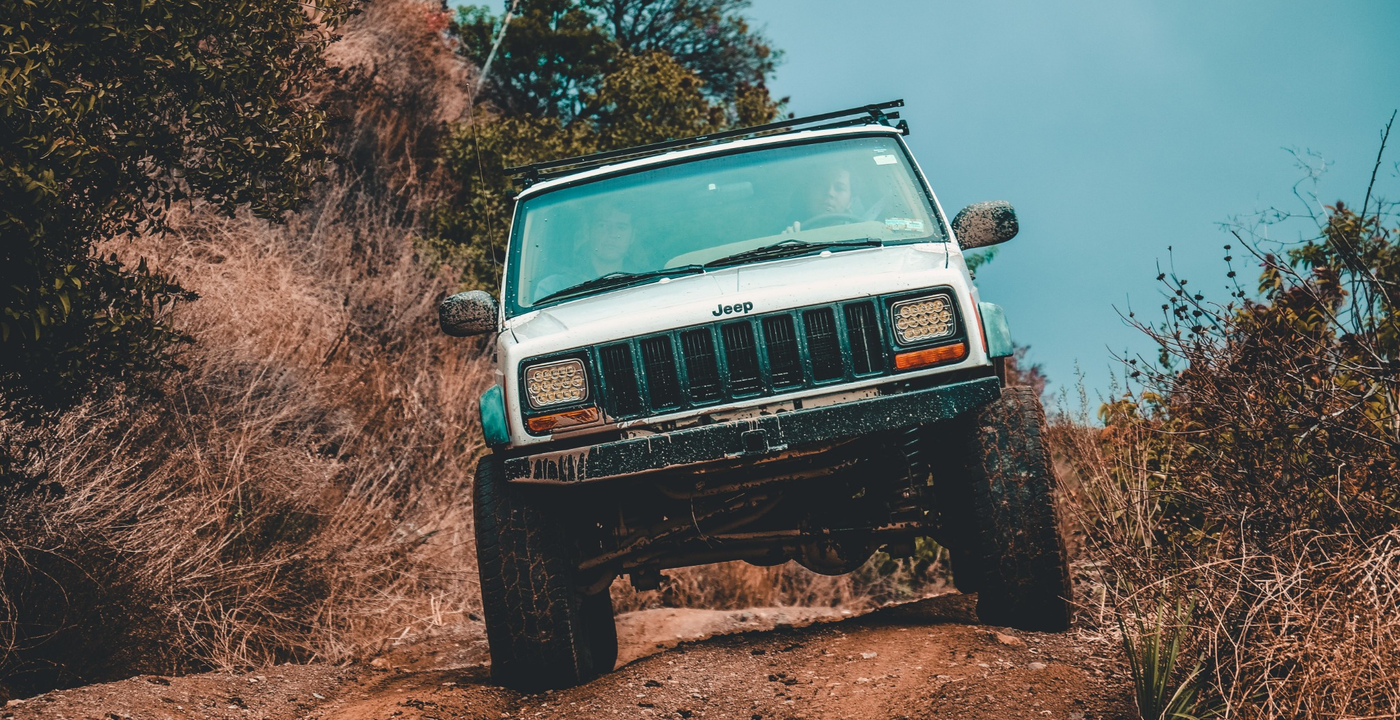
Few things beat pointing your Jeep down a dirt road with no particular schedule and a full tank of gas. But not all trails are created equal. Some require a highly modified Jeep with extra clearance, heavy-duty tires, and recovery gear, while others are manageable in a basic 4x4 straight from the dealership.
The United States has more world-class off-road terrain than most Jeepers will ever experience in a lifetime: slickrock canyons typical of Moab, Appalachian ridgelines, high-alpine passes, and coastal sand tracks that stretch for miles. This guide breaks down some of the best Jeep trails by region, with references to official resources so you can plan your next run the right way.
The South
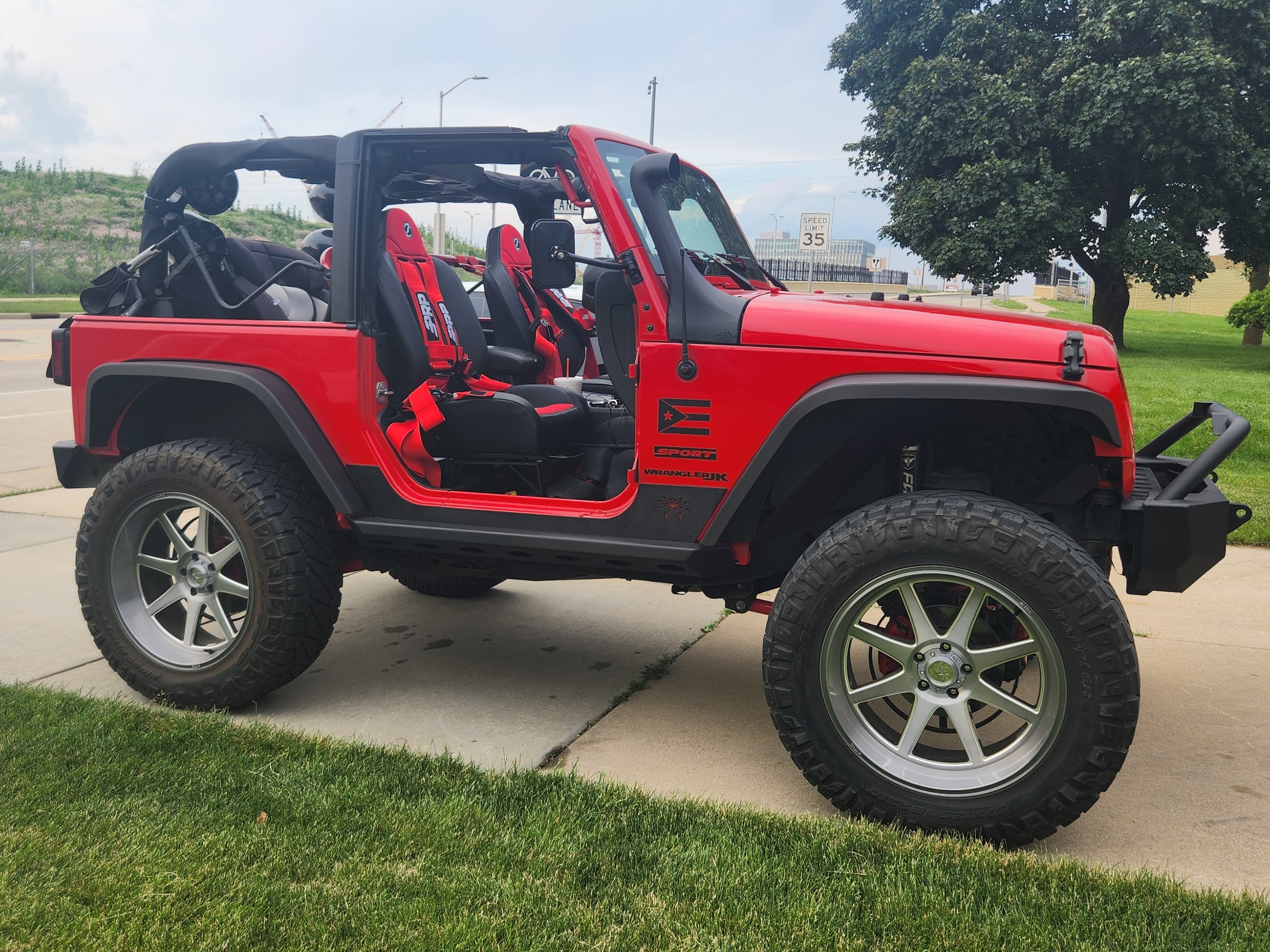
Morris Mountain ORV Park in Delta, Alabama, is one of the Southeast's most respected rock-crawling destinations, with trails rated from beginner through extreme (Class 1-5), making it easy to match terrain to your build before you even unload.
Windrock Park in Oliver Springs, Tennessee, is one of the largest privately owned off-road riding areas in the country, with roughly 73,000 acres and over 300 miles of trails. It's open year-round, and trails like Panther Rock have become well-known among Jeep drivers for both technical sections and sweeping mountain views.
Beasley Knob OHV Trail in Georgia's Chattahoochee-Oconee National Forests surprises first-timers who underestimate the state's off-road scene. The system features multiple interconnected trail sections with varying difficulty, and it remains one of the more technically demanding public trails in the Southeast.
The East
The Hatfield-McCoy Trail System in southern West Virginia is the crown jewel of eastern off-roading, with more than 1,000 miles of trails spread across multiple interconnected systems in the Appalachian Mountains. Many trail networks connect directly to ATV-friendly towns, where you can ride to fuel, food, or lodging without ever loading back onto a trailer.
Within that network, the Bearwallow Trail System is one of the few areas open to full-size ORVs like Jeeps alongside ATVs and UTVs. Permits are required and can be purchased online in advance.
Uwharrie National Forest in North Carolina remains one of the East Coast's best-kept secrets: a managed trail system with real technical variety, solid dispersed camping options, and typically fewer crowds than the better-known destinations out West.
The Midwest
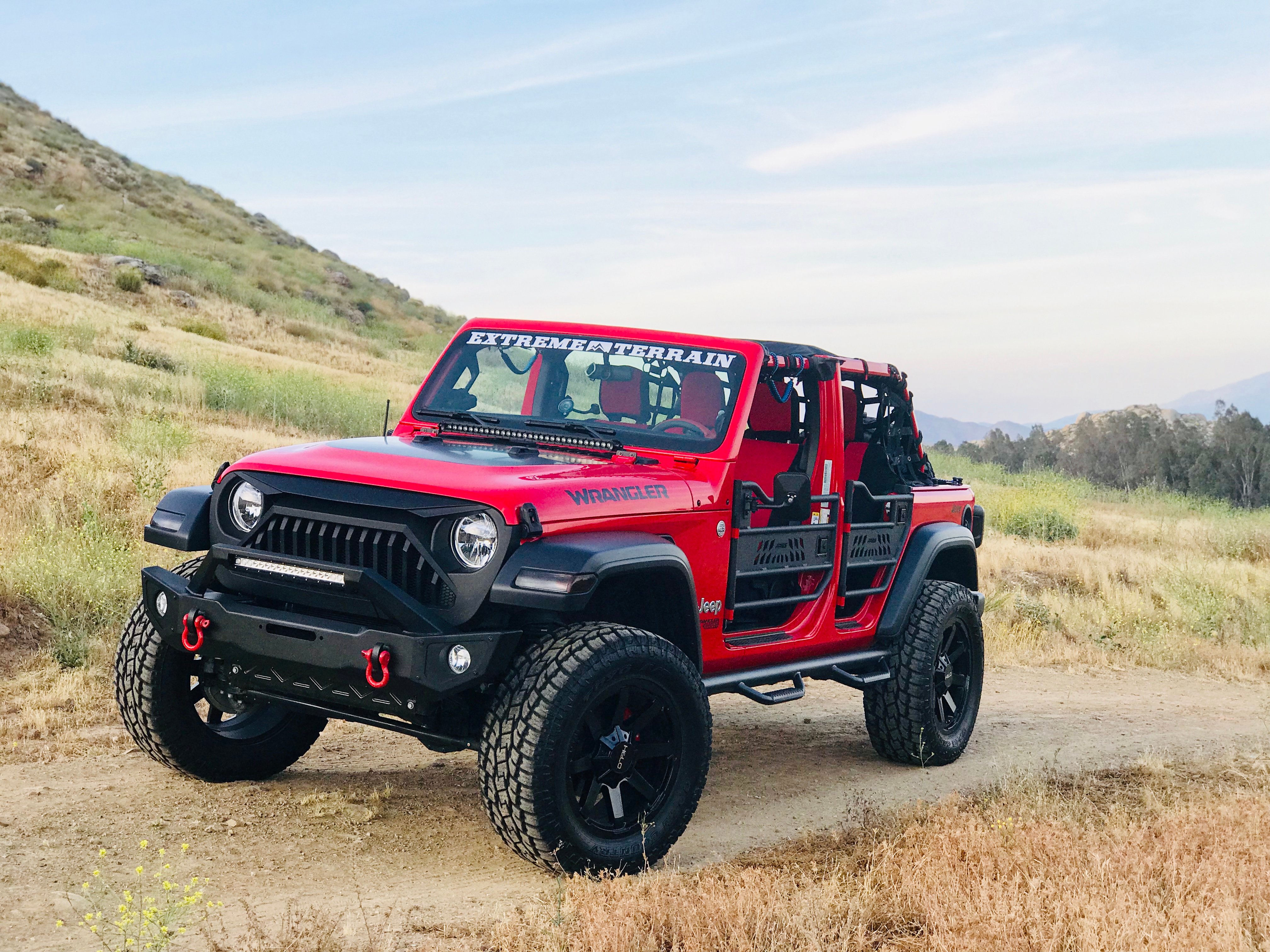
Redbird State Recreation Area in Indiana is a well-known hub for Jeep drivers and uses a color-coded difficulty system: Green (beginner), Blue (intermediate), Black (advanced), and Red (expert). This makes it straightforward to choose trails that match your experience level.
Southern Missouri Off Road Ranch (SMORR) in Monett, Missouri, offers one of the most comprehensive trail networks in the region, with terrain that ranges from wide-open mud runs to tight, technical rock sections.
Iron Range OHV Recreation Area in Minnesota delivers a taste of rugged Northwoods terrain, with a growing reputation among Jeep drivers and a mix of trails that highlight the region's rocky, forested landscape.
The Southwest
Broken Arrow Trail in Sedona, Arizona, is one of the most visually striking off-road routes in the country. Red rock formations rise in every direction, and slickrock obstacles lead to iconic viewpoints like Chicken Point and Submarine Rock. The trail is moderately difficult, but accessible to well-equipped stock vehicles.
Hell's Revenge, just outside Moab, Utah, is one of the most popular OHV trails in the area. This roughly 6.5-mile loop features steep slickrock climbs, well-known obstacles like Hell's Gate and the Tip-Over Challenge, and expansive views stretching toward the La Sal Mountains and Arches National Park. It's typically considered moderate to difficult, depending on conditions and line choice.
Moab as a whole has earned a reputation as a mecca for off-roading. The region hosts a high concentration of Jeep trails, including Poison Spider Mesa and Fins & Things, along with a mix of newer routes and long-established classics.
The Mountain West
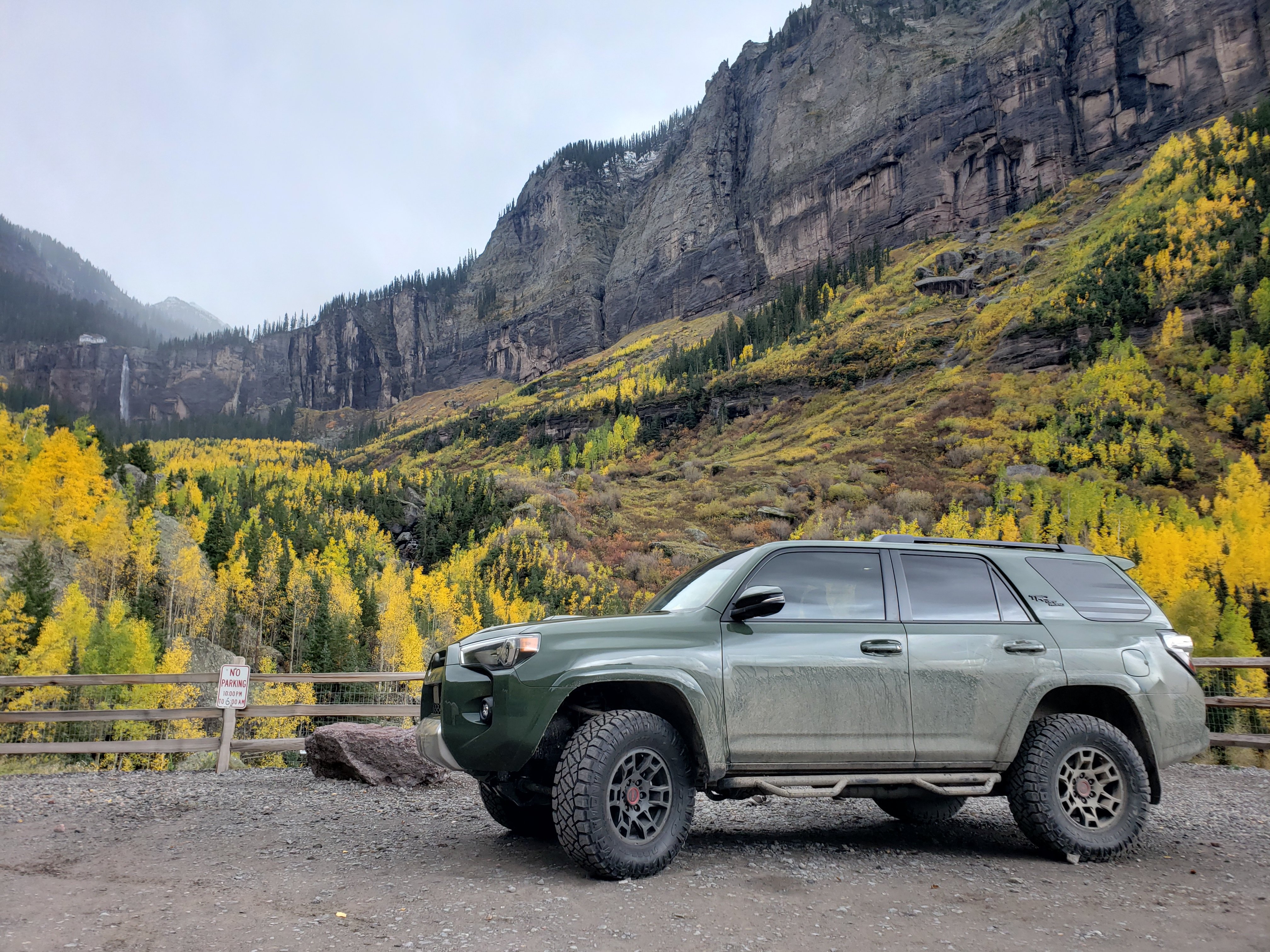
Black Bear Pass in Colorado runs from Red Mountain Pass down into Telluride, cresting above 12,000 feet before descending a series of tight switchbacks past Bridal Veil Falls. It's best suited to short-wheelbase vehicles, and many rental companies prohibit its use due to the exposure and technical descent.
The Rubicon Trail in El Dorado County, California, is one of the most iconic off-road routes in the world. This 22-mile stretch through the Sierra Nevada has served as a proving ground for vehicles and drivers for decades. Expect multi-day logistics, granite obstacles, and sustained rock crawling that challenge even heavily modified rigs.
The Black Hills National Forest in South Dakota offers a surprisingly diverse off-road experience, with a growing number of designated trails and terrain that ranges from forested hills to exposed rock sections.
The Northwest
Tillamook State Forest in Oregon features a network of trails set in dense Pacific Northwest forest. Expect tree-lined routes, frequent mud, and terrain that can shift quickly with weather conditions.
Jericho Mountain State Park in New Hampshire is one of the Northeast's few full-size off-road destinations, offering a color-coded trail system that ranges from relatively accessible routes to highly technical lines requiring significant modifications such as lift kits.
The Lolo Motorway in Montana follows the historic route of the Lewis and Clark Expedition through remote backcountry terrain. It's less about technical rock crawling and more about endurance and preparation, rewarding drivers with isolation, history, and long stretches of unmaintained trail.
Before You Go
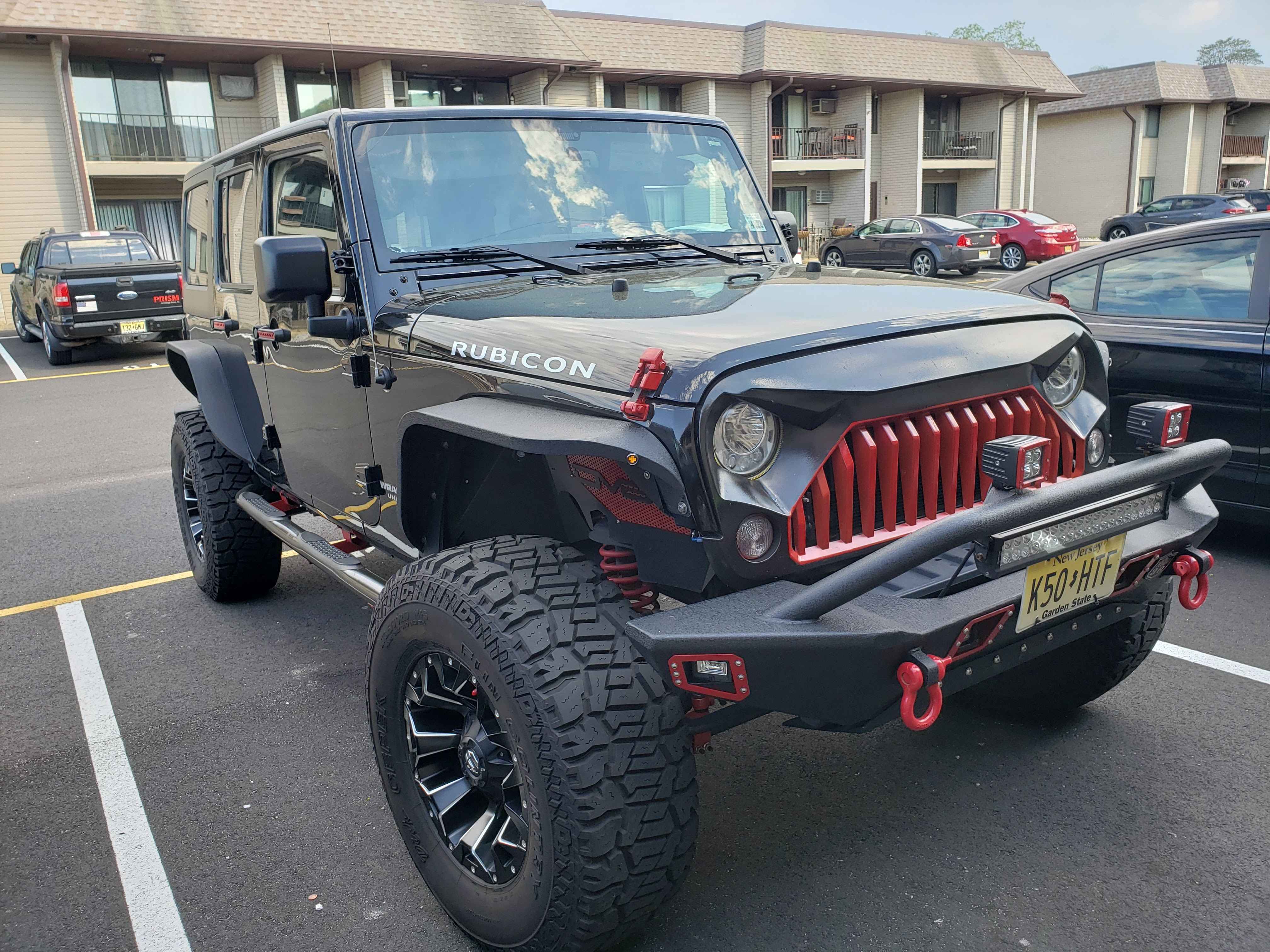
No matter which trail you choose, preparation matters as much as the vehicle you bring. Check trail conditions before you leave: weather effects can change access quickly, with seasonal closures in some cases. Travel with at least one other vehicle when possible, and carry essential recovery gear, including a full-size spare tire.
Most importantly, be realistic about your setup. Tires, clearance, skid protection, and traction aids aren't just upgrades on more serious trails, they're often the difference between a smooth day on the trail and a long recovery.