 FREE 1 to 3-Day Delivery on Orders $149+ Details

Off-Road Safety Tips for Beginners

XT Staff
/ May 7 2026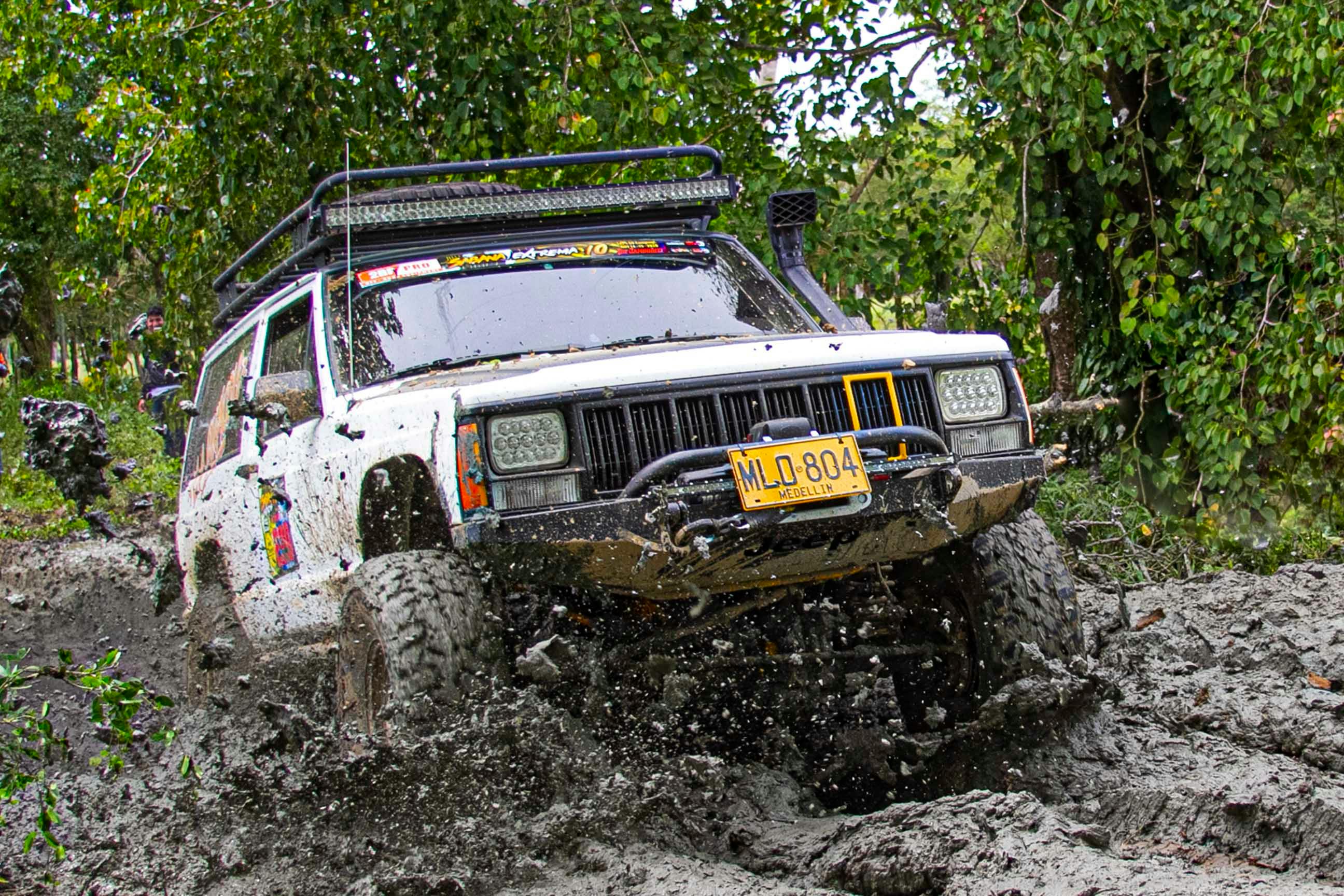
Transitioning from smooth asphalt to the unpredictable terrain of the wilderness is an exhilarating way to explore, but it requires a fundamental shift in how you view your vehicle and the path ahead. For the uninitiated, the sudden loss of traction or the sight of a steep incline can be intimidating. This guide is designed to transform that unease into confidence by breaking down the essential gear, mechanical preparation, and driving techniques necessary for a successful first excursion.
Off-Roading 101
At its core, off-roading is the practice of navigating a vehicle over surfaces that were never meant for traditional travel. This discipline ranges from driving on well-maintained forest service roads to the technical challenges of rock crawling. For a beginner, the learning curve centers on understanding your vehicle's physical limits.
You are no longer just steering; you are managing the relationship between tire grip, ground clearance, and momentum to ensure you don't damage your rig or find yourself stranded in a remote location.
Essential Off-Roading Gear
Before your tires even touch the dirt, your cabin should be stocked with a baseline of survival and utility equipment. A full-size spare tire is non-negotiable because a lightweight, temporary spare cannot survive the sharp rocks and heavy loads of the trail. You also need a high-quality first aid kit capable of stabilizing trauma until you can reach a paved road.
Because off-roading often requires you to lower your tire pressure for better grip, a portable air compressor and a reliable pressure gauge are vital for reinflating your tires before you head back onto the highway. Finally, since cell towers are rare in the backcountry, consider a dedicated GMRS radio or a satellite messenger to maintain a lifeline to the outside world.
Recovery Gear
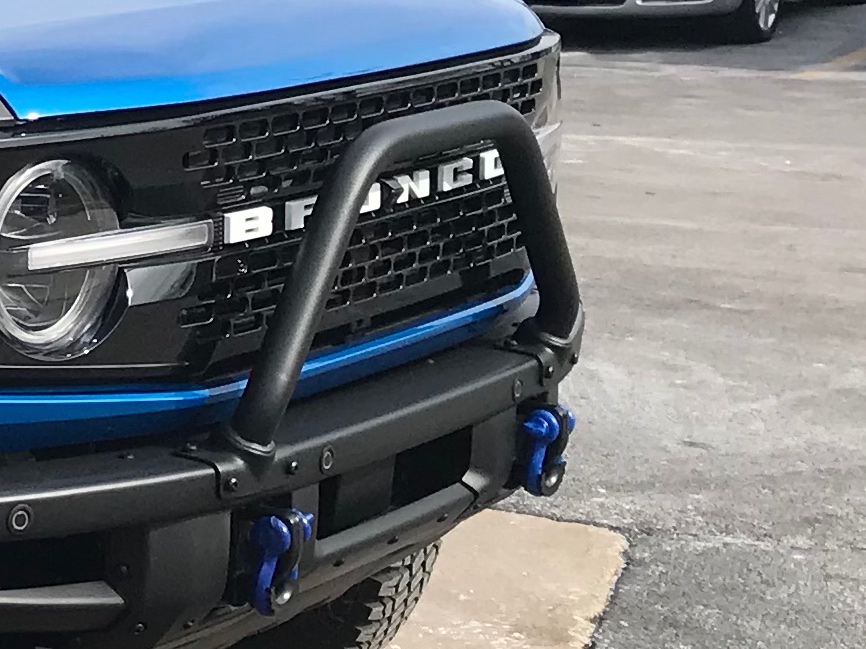
Recovery gear is the insurance policy that keeps a minor mistake from becoming a major ordeal. If your vehicle bottoms out on an obstacle, also known as becoming high-centered, or gets stuck in deep mud, you will need a kinetic snatch strap. These are specifically designed tow ropes that stretch and store energy, allowing a second vehicle to gently pull you free without the jarring impact of a standard tow chain.
To connect these straps safely, you must use rated shackles attached to dedicated frame-mounted recovery points. Additionally, a set of traction boards can be tucked under spinning tires to provide an immediate firm surface in soft sand or snow, while a specialized off-road jack is necessary for a trail-side tire change on uneven ground.
Navigation Tools
Relying solely on a smartphone for navigation is a dangerous trap for new drivers. Batteries drain quickly in cold weather, and GPS applications often fail when they cannot download maps in real time. A more professional approach involves a multi-layered system.
Start with a dedicated off-road GPS unit that features pre-loaded topographic maps and high-sensitivity antennas. Supplement this with a high-quality physical map of the area and a reliable magnetic compass. This combination ensures that even if your electronics fail, you have a manual method to find your way back to the trailhead.
Recommended Tires for Off-Roading
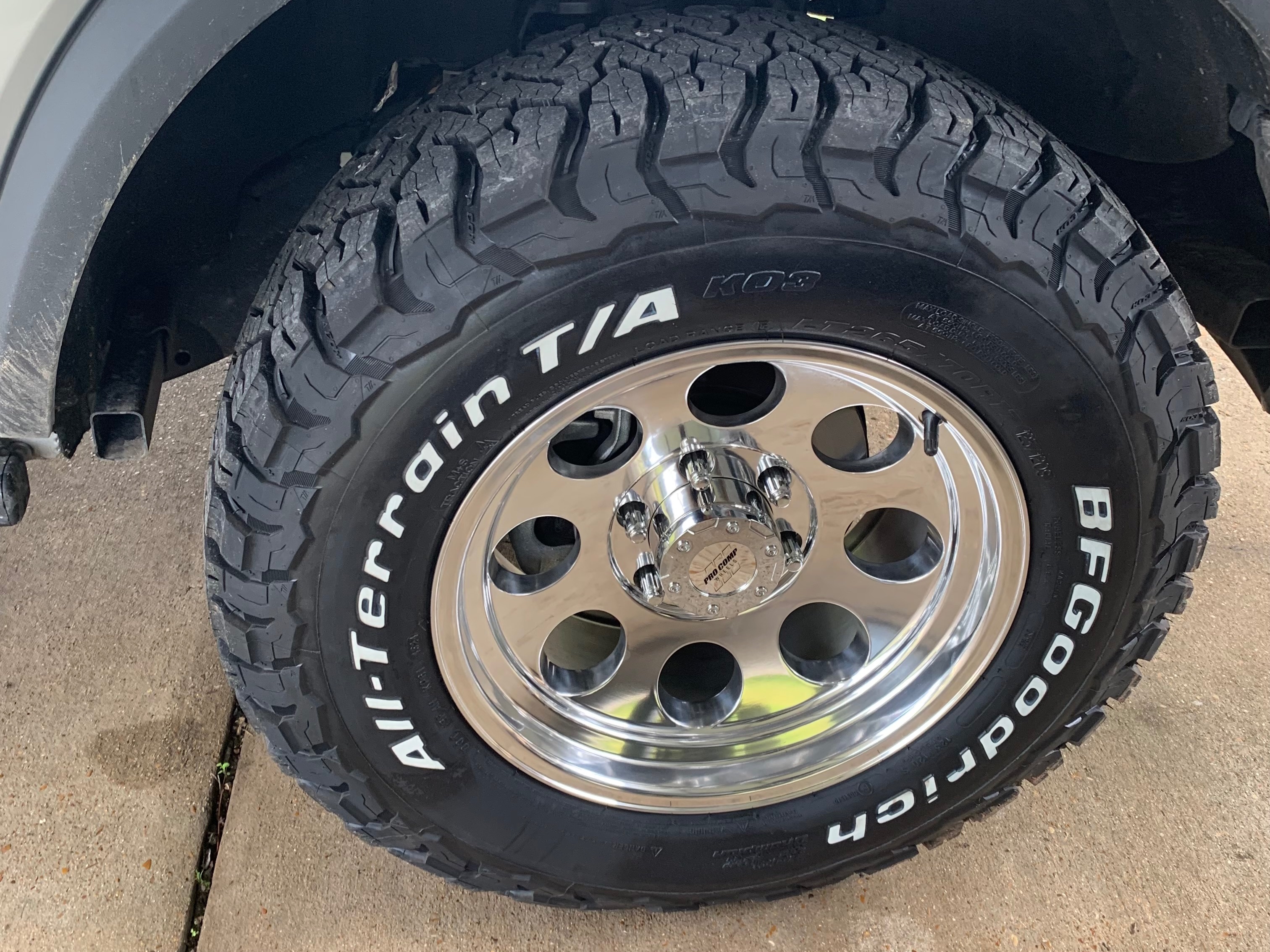
Tires are the most impactful upgrade for any off-road vehicle, and choosing the right tread for your environment is paramount.
- All-Terrain Tires: Also known as A/T tires, these are the standard entry point for most enthusiasts. They feature a tread pattern that balances off-road bite with a quiet, stable ride on the pavement. They are ideal for gravel, dry dirt, and light snow.
- Mud-Terrain Tires: Also known as M/T tires, these are recognized by their aggressive, chunky tread blocks. They are designed to self-clean by flinging mud out of the grooves as they rotate. They provide superior traction in deep muck but tend to be noisier and wear faster on the highway.
- Rock-Crawling Tires: Engineered with reinforced sidewalls and specialized soft rubber compounds, these tires are built to flex. When aired down, they wrap around jagged rocks to provide maximum mechanical grip during low-speed maneuvers.
Safety Tips for Beginners
The golden rule of the trail is to never travel alone. Having a second vehicle means you have a built-in rescue team in case of a mechanical failure. Once you are on the move, always be aware of your vehicle's clearance. This means knowing your approach and departure angles so you don't smash your bumpers into a ledge.
It is also important to practice the Tread Lightly philosophy by staying on existing trails. This preserves the landscape and prevents trail closures. Lastly, remember to air down your tires. Dropping your pressure to around 15-20 PSI increases the tire's surface area, which smooths the ride and prevents you from digging into soft surfaces.
Preparing Your Vehicle for Off-Roading
A successful trip starts in your garage. Check all fluid levels, especially coolant and oil, as the slow speeds and high RPMs of off-roading can cause engines to run hotter than usual. Inspect your suspension for loose bolts or leaking shocks.
Inside the vehicle, ensure that all heavy gear, including jacks, coolers, and toolboxes, is strapped down. In a sudden jolt or a rollover, unsecured items can become lethal projectiles. Finally, top off your fuel tank. You will burn gas at a much faster rate in low gear than you ever would on the interstate.
Mastering the Path Ahead
The transition from a nervous novice to a capable off-roader is a journey of patience and preparation. While the challenges of the trail can be intimidating, approaching them with the right gear and a respect for the environment ensures you stay safe.
Every obstacle you overcome builds your technical knowledge and deepens your appreciation for the Great Outdoors.
Additional Resources
- Off-Road 101 Guide
- Off-Highway Vehicle Touring
- Wilderness First Aid Basics
- Consumer Guide to Tire Safety
- Off-Road Driving Safety
- OHV & ATV Safety
- Off-Highway Vehicles on Public Lands
- Off-Road Vehicle Safety
- First Aid and Travel Safety
- The Ultimate Guide to 4x4 Off-Roading Etiquette, Tips, and Safety Practice
- Tips for Planning an Off-Road Trip
- Car Safety and Emergency Kits