What Is the 2.4L PowerTech Engine?
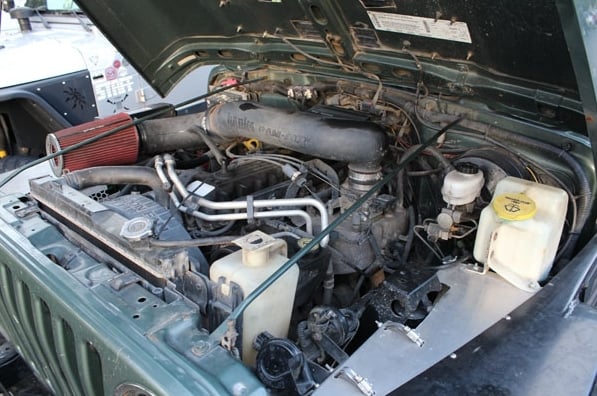
The 2.4L PowerTech is a dual-overhead-cam (DOHC) inline-four engine that Chrysler introduced to the Jeep lineup as a replacement for the aging AMC-designed 2.5L four-cylinder. It served as the base engine option in the Wrangler TJ from 2003 to 2006 and in the Liberty KJ from 2002 to 2006, giving buyers a lighter, more fuel-efficient alternative to the 4.0L inline-six.
This engine belongs to the Chrysler EDZ engine family — the same basic architecture that powered the Dodge and Plymouth Neon. Chrysler adapted it for Jeep duty with multi-port fuel injection and tuning suited to light off-road use. If you've ever wondered whether your TJ's four-cylinder is related to the 2.4L in a Jeep Compass or Patriot, the answer is no. Those later vehicles use the completely different GEMA/World Engine 2.4L, which shares the displacement but nothing else.
For a stock-height TJ on 30-inch tires that splits time between highway commuting and light trail work, the 2.4L is a surprisingly capable powerplant. It won't match the low-end grunt of the 4.0L Jeep PowerTech engine, but it's lighter, simpler, and cheaper to maintain. And with 150 horsepower on tap, it moves a stripped-down Wrangler with more enthusiasm than the old 2.5L ever did.
2.4L PowerTech Engine Specs
The 2.4L PowerTech delivers 150 horsepower at 5,200 RPM and 165 lb-ft of torque at 4,000 RPM from a compact, cast-iron-block inline-four with an aluminum DOHC head. It runs on regular 87-octane fuel and holds approximately five quarts of oil — straightforward and inexpensive to maintain.
|
Spec
|
Value
|
|
Displacement
|
144.0 CID (2,360 cc / 2.4L)
|
|
Configuration
|
Inline 4-cylinder
|
|
Valvetrain
|
DOHC, 4 valves per cylinder
|
|
Bore x Stroke
|
3.46" x 3.82" (88 mm x 97 mm)
|
|
Horsepower
|
150 hp (110 kW) @ 5,200 RPM
|
|
Torque
|
165 lb-ft (224 Nm) @ 4,000 RPM
|
|
Compression Ratio
|
9.5:1
|
|
Fuel System
|
Sequential multi-port fuel injection
|
|
Engine Block
|
Cast iron
|
|
Cylinder Head
|
Aluminum
|
|
Timing
|
Belt-driven (replace every 120,000 miles)
|
|
Engine Type
|
Free-wheeling (non-interference)
|
|
Oil Capacity
|
~5 quarts
|
|
Recommended Fuel
|
87 octane regular unleaded
|
A few specs worth calling out: the longer stroke (3.82") relative to the bore (3.46") gives this engine an undersquare design, which favors low-to-mid-range torque production over high-RPM horsepower. That's a useful characteristic for an engine that's going to spend time crawling over obstacles in low-range transfer case gearing. The 9.5:1 compression ratio is moderate — high enough for decent thermal efficiency on regular unleaded, low enough that you won't run into detonation issues at altitude or in hot weather.
The free-wheeling (non-interference) design is a genuine advantage. If your timing belt snaps, the pistons and valves won't collide. You'll be stranded, but you won't be shopping for a new cylinder head. That said, don't treat this as a reason to skip belt replacement — a broken belt on the highway or on the trail is never a good time.
Which Jeep Models Used the 2.4L PowerTech?

The 2.4L PowerTech appeared exclusively in two Jeep platforms over a short production window: the Wrangler TJ and the Liberty KJ. It was always positioned as the base engine, with a six-cylinder upgrade available in both vehicles.
- Jeep Wrangler TJ: 2003-2006 (base engine option alongside the 4.0L inline-six)
- Jeep Wrangler TJ Unlimited (TJL): 2004-2006
- Jeep Liberty (KJ): 2002-2006 (base engine option alongside the 3.7L V6)
If you're shopping for a Jeep TJ engine or looking at 2003 Jeep Wrangler TJ parts, knowing which engine is under the hood matters. The 2.4L TJs are generally cheaper to buy used, and for the right build, that lower purchase price can free up budget for the upgrades that actually matter to you.
Transmission pairings changed during the production run:
- 2003-2004: NV1500 5-speed manual or 4-speed automatic
- 2005-2006: NSG370 6-speed manual or 4-speed automatic
The switch to the NSG370 six-speed in 2005 was a noticeable improvement. The extra gear gives you a taller overdrive ratio for highway cruising, which helps offset the 2.4L's limited power on the interstate. If you're buying a used 2.4L TJ, the 2005-2006 models with the six-speed are worth seeking out.
2.4L PowerTech vs. 4.0L Inline-Six: Key Differences
The 4.0L inline-six makes 40 more horsepower and 70 more lb-ft of torque than the 2.4L PowerTech, and it drives through a timing chain that never needs scheduled replacement.
For serious off-road builds with larger tires and heavy accessories, the 4.0L is the better foundation — and it's not particularly close.
|
Feature
|
2.4L PowerTech
|
4.0L Inline-Six
|
|
Power
|
150 hp / 165 lb-ft
|
190 hp / 235 lb-ft
|
|
Weight
|
Lighter (~100 lbs less)
|
Heavier
|
|
Fuel Economy
|
~18-20 MPG highway
|
~15-17 MPG highway
|
|
Off-Road Capability
|
Adequate on stock tires, struggles with 33s+
|
Excellent low-end torque for crawling
|
|
Timing
|
Belt (replace at 120,000 mi)
|
Chain (no scheduled replacement)
|
|
Aftermarket Support
|
Limited
|
Extensive
|
|
Reliability
|
Very reliable, shorter production run
|
Legendary reliability
|
So when does the 2.4L actually make sense? If you're building a daily driver TJ that stays on stock-sized tires — or only goes up to 31s — the lighter weight and better fuel economy are genuine advantages. You'll save money at the pump, the brakes and suspension work less hard, and the lower purchase price on a used 2.4L TJ means more cash for the mods you actually want. But if you're planning a serious trail rig with 33-inch tires, a lift, and heavy steel bumpers, you'll feel the 2.4L struggling. That's where the 4.0L PowerTech engine earns its reputation. The extra torque and broader aftermarket support make it the go-to choice for dedicated off-road builds.
Common Issues and Problems
The 2.4L PowerTech is a genuinely reliable engine with no catastrophic design flaws. Most examples run well past 200,000 miles with basic maintenance. That said, every engine has its weak spots, and knowing what to watch for helps you stay ahead of problems before they leave you stuck.
Here are the most commonly reported issues:
- Timing belt wear: The rubber timing belt degrades over time and needs replacement every 120,000 miles. Skipping this service is the single biggest mistake you can make with this engine. While the non-interference design means a snapped belt won't cause internal damage, it will leave you dead on the trail or the shoulder of the highway.
- Oil consumption at higher mileage: Past 150,000 miles, some 2.4L engines start burning a quart of oil every 1,500-2,000 miles. Monitor your oil level regularly and top off as needed — this isn't unusual for a high-mileage DOHC four-cylinder.
- Cylinder head bolt re-torque issue: Chrysler released a technical service bulletin (TSB) for 2004-2005 builds addressing cylinder head bolts that could lose torque, leading to coolant leaks or head gasket seepage. If you notice coolant loss without visible external leaks, this is worth checking.
- Crankshaft position sensor failures: A failing crank sensor can cause intermittent stalling, no-start conditions, or rough running. Fortunately, the sensor is inexpensive and straightforward to replace.
- Exhaust manifold cracking: The cast-iron exhaust manifold is prone to cracking over time due to heat cycling. You'll hear a ticking sound on cold starts that fades as the engine warms up. A cracked manifold won't strand you, but it will eventually trigger a check engine light and affect emissions.
- Water pump failure: The water pump is driven by the timing belt, so most mechanics recommend replacing both at the same time during the 120,000-mile service. It's a minimal extra cost for significant peace of mind.
None of these are engine-killers, and most are standard wear items you'd expect on any high-mileage four-cylinder. For a more detailed look at staying ahead of maintenance across your entire Jeep, check out our Jeep maintenance guide.
Maintenance Tips for the 2.4L PowerTech
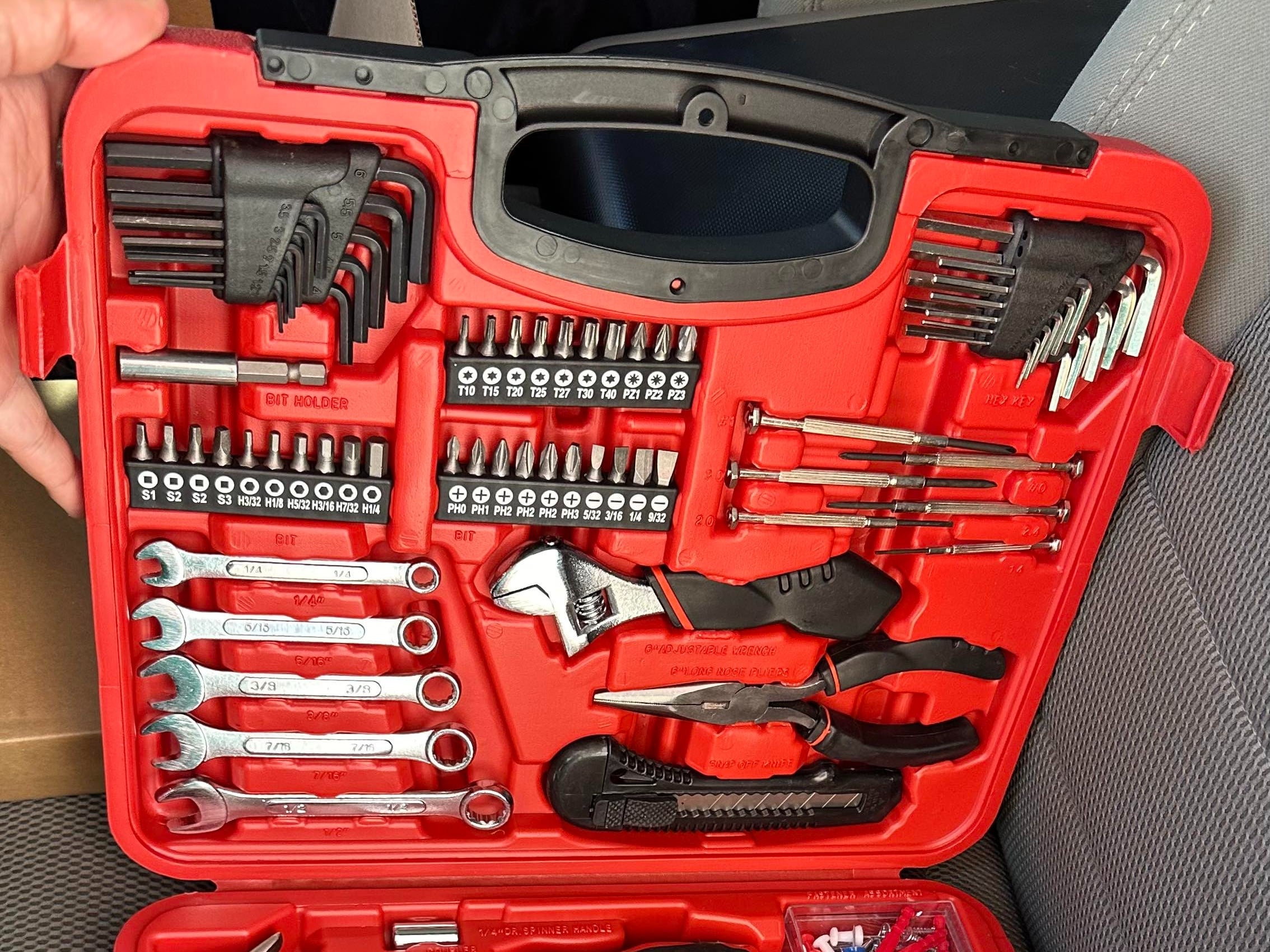
Keeping a 2.4L PowerTech running strong is straightforward — there's nothing exotic about the maintenance schedule. Stay on top of these intervals and you'll get reliable service for years to come.
- Timing belt replacement: Every 120,000 miles. Replace the water pump, tensioner, and idler pulleys at the same time. This is the single most important scheduled service for this engine.
- Oil changes: Every 3,000-5,000 miles with conventional oil, or 5,000-7,500 miles with full synthetic. Use 5W-30 weight oil.
- Spark plugs: Replace every 30,000 miles. The DOHC head makes plug access a bit tighter than the old 2.5L, but it's still a straightforward job.
- Coolant flush: Every 30,000 miles or two years, whichever comes first.
- Serpentine belt inspection: Check for cracking and wear every 60,000 miles. Replace if you see visible damage.
If you're doing your own wrenching, having the right TJ internal engine parts on hand before you start makes the job go smoother. And if you're not sure which parts you need for your specific year and build, our Sales Techs can help you sort it out — they're Jeep enthusiasts who actually know these engines, not script-readers.
Performance Upgrades for the 2.4L PowerTech
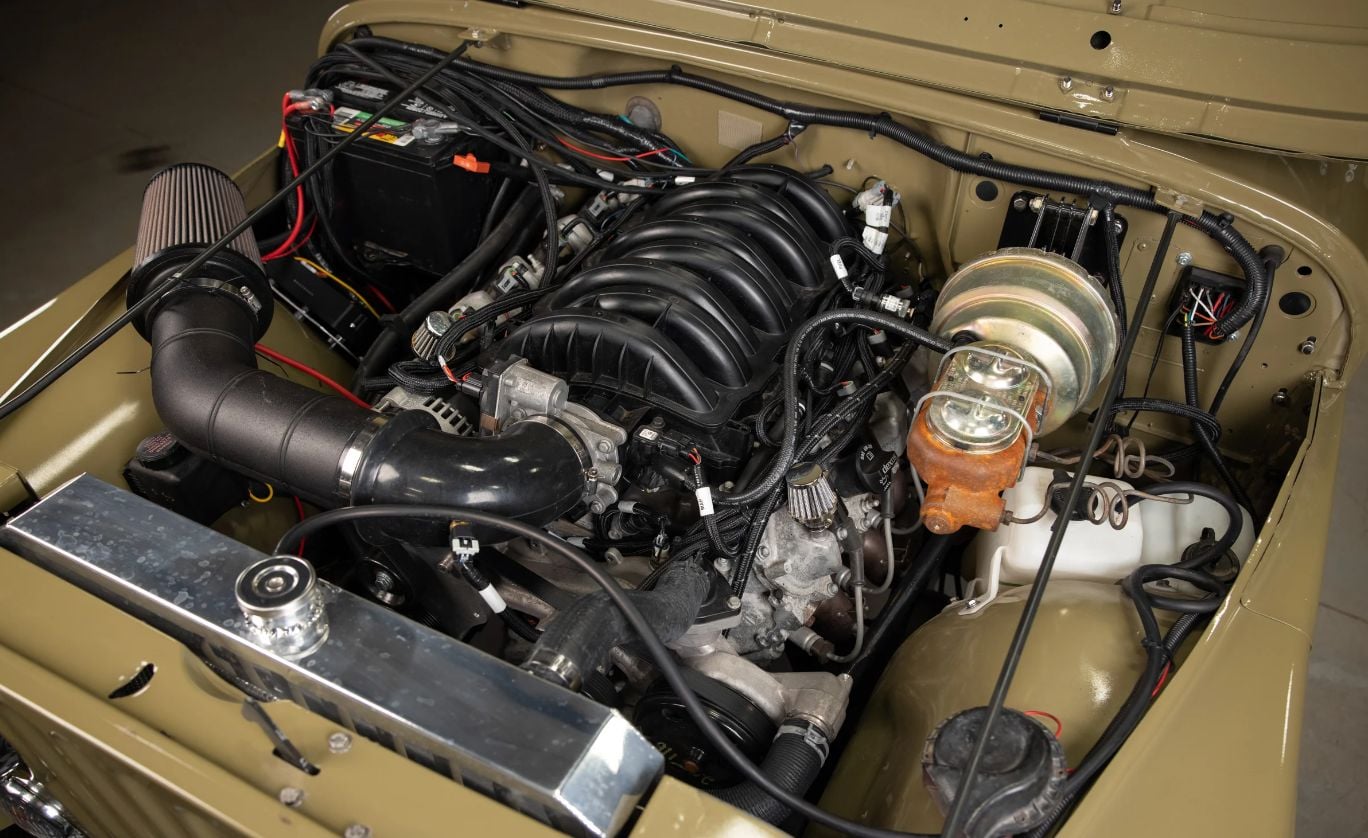
Let's set realistic expectations: the 2.4L PowerTech has a limited aftermarket compared to the 4.0L or later Pentastar engines. You're not going to bolt on 50 horsepower with a couple of parts. But there are worthwhile upgrades that can improve throttle response, airflow, and overall driveability.
- Cold air intake: Replacing the restrictive factory airbox with a cold air intake system is the easiest first mod. Expect 5-10 horsepower in gains, plus a noticeable improvement in throttle response and intake sound.
- Performance exhaust header: A tubular header replaces the crack-prone factory exhaust manifold and improves exhaust flow. This pairs well with a cat-back exhaust for a complete airflow upgrade.
- Performance camshafts: The SRT4 Neon cams can fit the 2.4L PowerTech with modification, since both engines share the EDZ architecture. This is a more advanced project that requires careful tuning.
- ECU tuning: Tuning options for the 2.4L PowerTech are limited compared to newer platforms. Some aftermarket tuners can optimize fuel and timing maps, but gains are modest.
- Engine swap: If you need significantly more power, many TJ owners swap in a 4.0L inline-six or go even bigger with a V8 conversion. It's a substantial project, but the TJ platform is well-documented for swaps. Check out our guide on engine swap requirements for more on what's involved.
The honest takeaway? If you love your 2.4L TJ and want to keep it as a light, fuel-efficient daily driver with occasional trail use, intake and exhaust upgrades are worth doing. If you're chasing real horsepower for aggressive off-roading, your money is better spent on an engine swap than trying to squeeze power from a platform with limited support.
Other Jeep Wrangler Engine Options
The 2.4L PowerTech is just one chapter in the Wrangler's long engine history. Whether you're comparing options for a purchase or considering a swap, here's a quick look at the other powerplants that have lived under Wrangler hoods:
- 4.0L Jeep PowerTech Engine: The legendary inline-six that powered TJ Wranglers from 1997 to 2006. Known for bulletproof reliability and strong low-end torque.
- 3.8L V6 EGR Wrangler Engine: The JK-generation base engine (2007-2011), often criticized for underwhelming power but improved over its production run.
- Jeep 2.8L Diesel Engine: A diesel option offered in international-market Wranglers with strong torque characteristics for off-road use.
If you're also looking at ways to stretch every gallon regardless of engine choice, our guide on improving Jeep fuel economy covers practical tips that apply across the lineup.
Ready to find the right parts for your 2.4L-equipped TJ? Whether you're tackling a timing belt job, upgrading your intake, or just keeping up with routine maintenance, ExtremeTerrain has you covered. Browse TJ engine parts and explore our full catalog of engine components, all filterable by your exact year and model. And if you need help figuring out what fits, our Sales Techs are real Jeep enthusiasts who can point you in the right direction — give them a call at 1-610-990-4559 or hop on chat.
Frequently Asked Questions About the 2.4L PowerTech Engine
These are the questions Jeep owners ask most about the 2.4L PowerTech — answered straight from hands-on experience with TJ Wranglers and Libertys.
Is the 2.4L PowerTech a Reliable Engine?
Yes, the 2.4L PowerTech is considered a very reliable engine with no major design flaws. Most examples run well past 200,000 miles with proper maintenance. The key is staying on top of the 120,000-mile timing belt replacement — skip that service and you're asking for trouble, even though the non-interference design protects your valves.
Is the Jeep 2.4L Engine a Good Engine?
The 2.4L PowerTech is a good engine for its intended purpose: providing a lighter, more fuel-efficient alternative to the 4.0L inline-six in TJ Wranglers and Libertys. It delivers 150 horsepower and 165 lb-ft of torque — enough for daily driving and light trail use on stock-sized tires. It falls short for heavily modified off-road builds.
What Are the Most Common Problems With the 2.4L PowerTech?
The most frequently reported issues include oil consumption past 150,000 miles, crankshaft position sensor failures that cause intermittent stalling, exhaust manifold cracking from heat cycling, and a cylinder head bolt re-torque issue covered by a Chrysler TSB for 2004-2005 builds. None of these are catastrophic or engine-ending problems.
Which Jeep Models Came With the 2.4L PowerTech Engine?
The 2.4L PowerTech was available in the 2003-2006 Jeep Wrangler TJ, the 2004-2006 TJ Unlimited, and the 2002-2006 Jeep Liberty KJ. It was always the base engine option, with a six-cylinder upgrade available. The 2.4L found in Jeep Compass and Patriot models is a completely different GEMA engine.
Is the Chrysler 2.4L a Good Engine?
The Chrysler 2.4L EDZ engine family — which includes the Jeep PowerTech variant — has a solid reputation for reliability across multiple Chrysler, Dodge, and Plymouth vehicles. It powered everything from the Dodge Neon to the PT Cruiser. The Jeep version produces 150 hp and runs on regular 87-octane fuel with low maintenance requirements.
How Often Should You Replace the Timing Belt on a 2.4L PowerTech?
Chrysler recommends replacing the timing belt every 120,000 miles. Most mechanics also recommend replacing the water pump, tensioner, and idler pulleys at the same time since they're all accessible during the same job. This is the single most important scheduled maintenance item for the 2.4L PowerTech engine.
What Is the Difference Between the 2.4L PowerTech and the 4.0L Inline-Six?
The 4.0L inline-six produces 190 hp and 235 lb-ft of torque compared to the 2.4L's 150 hp and 165 lb-ft. The 4.0L uses a timing chain instead of a belt, has a much larger aftermarket, and is better suited for off-road builds with larger tires. The 2.4L is lighter, gets better fuel economy, and costs less to buy used.
Can You Upgrade the 2.4L PowerTech for More Power?
Upgrade options are limited but available. A cold air intake adds 5-10 horsepower, a performance header improves exhaust flow, and SRT4 Neon camshafts can fit with modification since both engines share the EDZ architecture. For significant power gains, most owners opt for a 4.0L inline-six swap or a V8 conversion instead.