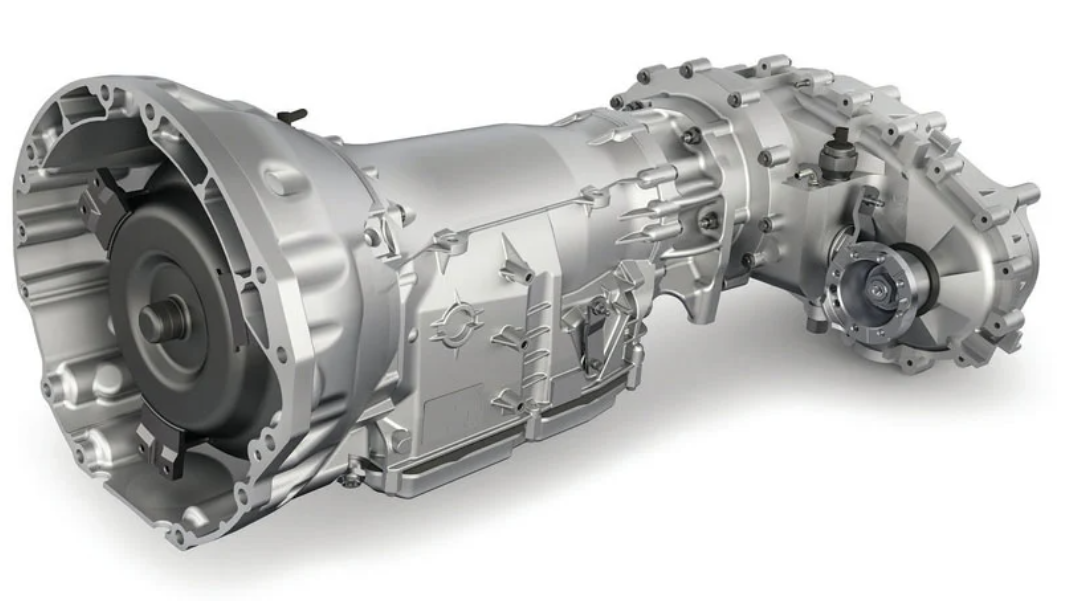
What Is the 42RLE Transmission?
![]() The 42RLE is a 4-speed automatic transmission manufactured by Chrysler from 2003 to 2012, used in Jeep Wrangler TJ (2003–2006), JK (2007–2011), and Liberty (2003–2012) models. It is also known as the Chrysler 42RLE, and it evolved from the earlier 42LE "Ultradrive" (A606) platform that was originally designed for front-wheel-drive applications.
The 42RLE is a 4-speed automatic transmission manufactured by Chrysler from 2003 to 2012, used in Jeep Wrangler TJ (2003–2006), JK (2007–2011), and Liberty (2003–2012) models. It is also known as the Chrysler 42RLE, and it evolved from the earlier 42LE "Ultradrive" (A606) platform that was originally designed for front-wheel-drive applications.
If you own a Jeep with an automatic transmission from that era, there is a strong chance you are running a 42RLE. Chrysler took the proven 42LE architecture — which had been doing duty in minivans and sedans since the early 1990s — and re-engineered it for rear-wheel-drive and 4WD use. The bell housing and case were redesigned so the transmission could mount longitudinally behind the engine, and it debuted in the 2003 Jeep Liberty before spreading to the Wrangler lineup and several Dodge and Chrysler models.
What set the 42RLE apart from simpler automatics was its electronic brain. The Transmission Control Module (TCM) uses adaptive shifting memory to learn your driving habits and adjust shift points over time. The torque converter features an Electronically Modulated Converter Clutch (EMCC) that provides smoother lockup and helps manage heat during aggressive driving or towing.
One detail that matters when you are diagnosing issues or shopping for parts: the 42RLE went through a significant change in 2007. Pre-2007 units use a static, non-Variable Line Pressure (non-VLP) design, while 2007 and later models switched to Variable Line Pressure (VLP). The VLP version adjusts hydraulic pressure based on driving conditions, which improves shift quality and clutch longevity — but it also means pre-2007 and post-2007 valve bodies and solenoid packs are not directly interchangeable. Know your production year before you order parts.
42RLE Transmission Specs and Gear Ratios
The 42RLE is a 4-speed automatic with gear ratios of 2.84 (1st), 1.57 (2nd), 1.00 (3rd), and 0.69 (overdrive), plus a 2.21 reverse ratio. Here is the full spec breakdown:
|
Specification
|
Value
|
|
Type
|
4-speed automatic
|
|
Manufacturer
|
Chrysler
|
|
Production Years
|
2003–2012
|
|
1st Gear Ratio
|
2.84:1
|
|
2nd Gear Ratio
|
1.57:1
|
|
3rd Gear Ratio
|
1.00:1
|
|
Overdrive (4th) Ratio
|
0.69:1
|
|
Reverse Ratio
|
2.21:1
|
|
Torque Converter
|
EMCC (Electronically Modulated Converter Clutch)
|
|
Weight (Dry)
|
~150 lbs
|
|
Fluid Type
|
ATF+4 (Mopar recommended)
|
|
Fluid Capacity (Pan Drop)
|
4 quarts / 3.8 liters
|
|
Fluid Capacity (Dry Fill)
|
8.8 quarts / 8.3 liters
|
|
Transfer Case Pairing
|
NV231 (TJ), NV241OR (JK)
|
The 1.00:1 third gear is your direct drive — where engine speed matches output shaft speed — and the 0.69:1 overdrive drops your RPMs on the highway for better fuel economy. If you have swapped to larger tires and changed your axle gear ratio, understanding these transmission ratios helps you calculate your final drive ratio and keep your engine in its ideal power band. For a full rundown on fluid specs across the Wrangler lineup, check out our Wrangler fluid capacity reference.
Which Jeeps Use the 42RLE Transmission?
The 42RLE was used in the Jeep Wrangler TJ (2003–2006), JK (2007–2011), and Liberty (2003–2012), as well as several Dodge and Chrysler models. Here is the full vehicle application chart:
|
Vehicle
|
Years
|
Engine
|
|
Jeep Wrangler TJ / TJL (Unlimited)
|
2003–2006
|
4.0L I6
|
|
Jeep Wrangler JK
|
2007–2011
|
3.8L V6
|
|
Jeep Liberty KJ / KK
|
2003–2012
|
2.4L I4, 3.7L V6
|
|
Dodge Dakota
|
2004–2011
|
3.7L V6
|
|
Dodge Nitro
|
2007–2011
|
3.7L V6
|
|
Chrysler 300
|
2005–2010
|
2.7L / 3.5L V6
|
|
Dodge Charger
|
2006–2010
|
2.7L / 3.5L V6
|
|
Dodge Challenger
|
2009–2010
|
3.5L V6
|
|
Dodge Ram 1500
|
2006–2012
|
3.7L V6
|
For Jeep owners specifically, the 42RLE was the only automatic option in the TJ Wrangler starting in 2003, when it replaced the older 3-speed 32RH. In the JK, it served as the sole automatic until the Pentastar 3.6L V6 and the 5-speed W5A580 arrived for 2012. If your JK is a 2007–2011 model with the 3.8L V6, you have a 42RLE.
Keep in mind that the 42RLE paired with different transfer cases depending on the platform. TJ Wranglers use the NV231 transfer case, while JK Wranglers use the NV241OR. That transfer case pairing affects your driveshaft length, output shaft spline count, and shift linkage, so always confirm both your transmission and transfer case when ordering drivetrain parts.
Common 42RLE Transmission Problems
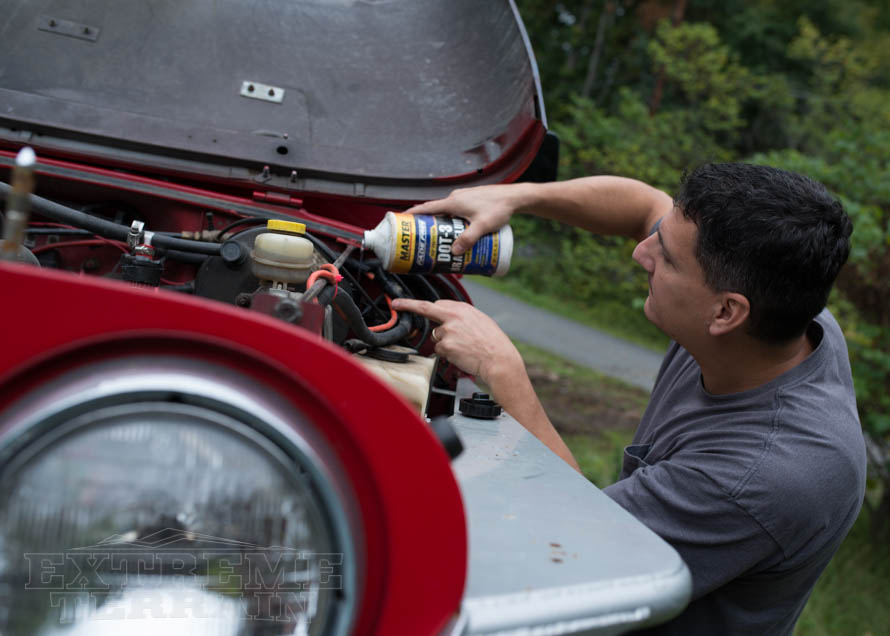
The most common 42RLE transmission problems are valve body wear, solenoid pack failure, torque converter clutch issues, overdrive clutch burnout, limp mode activation, oil pump wear, and accumulator deterioration. Here is what to watch for and what causes each issue:
1. Valve Body Wear
Symptoms: Flared shifts (RPMs spike between gears), harsh or delayed engagement, erratic shift patterns. The 42RLE valve body uses aluminum valves that wear over time, creating internal leaks that reduce hydraulic pressure to the clutch packs. This is one of the most common failures, especially past 100,000 miles. You will usually notice it first as a slight flare between second and third gear. If you catch it early, a valve body replacement or rebuild can save the rest of the transmission.
2. Solenoid Pack Failure
Symptoms: Erratic shifting, stuck in one gear, transmission fault codes (P0750, P0755, P0760, P0765). The TCM drives the solenoid pack hard, cycling the solenoids rapidly to manage adaptive shifting. Over time, the electrical connections and internal seals degrade. A failing solenoid pack is one of the most frequently misdiagnosed 42RLE issues — symptoms can mimic a bad valve body or worn clutch packs. Always pull codes before you tear things apart. On the upside, the solenoid pack is externally mounted and relatively straightforward to replace without pulling the entire transmission.
3. Torque Converter Clutch Issues
Symptoms: Vibration at highway speed (40–50 mph), shudder during lockup, intermittent check engine light. The EMCC torque converter clutch can warp or develop premature bushing wear, especially in vehicles that see a lot of stop-and-go driving or towing. Shudder during converter lockup is the telltale sign. In some cases, a fluid flush with fresh ATF+4 and a converter clutch relearn procedure through the TCM can resolve mild shudder, but a warped converter needs replacement.
4. Overdrive Clutch Burnout
Symptoms: Slipping or flaring in 4th gear (overdrive), loss of overdrive entirely, burnt fluid smell. The 42RLE overdrive clutch pack was not designed for the sustained loads that come with oversized tires, heavy bumpers, or regular towing. If your rig is heavily modified and you spend a lot of highway miles in overdrive, the clutch pack can burn out. Upgrading to a performance clutch pack during a rebuild is a smart move if you run 33-inch or larger tires.
5. Limp Mode (2nd Gear Only)
Symptoms: Transmission locks into 2nd gear and will not shift, dashboard warning light illuminated. Limp mode is the TCM's failsafe — when it detects a sensor reading outside of normal parameters, it locks the transmission into 2nd gear to prevent further damage. This is often misdiagnosed as a catastrophic transmission failure, but the root cause is frequently a faulty speed sensor, wiring issue, or low fluid level rather than internal mechanical damage. Before you assume the worst, check your fluid level, scan for codes, and inspect the wiring harness at the transmission connector. A corroded plug is a surprisingly common culprit.
6. Oil Pump Wear
Symptoms: Low line pressure, delayed engagement from Park or Neutral, slipping across all gears. The oil pump is the heart of the 42RLE's hydraulic system. Contaminated fluid accelerates gear wear inside the pump, reducing the line pressure it can generate. When line pressure drops, every clutch pack and band in the transmission suffers. Regular fluid changes are the single best defense against oil pump wear.
7. Accumulator Deterioration
Symptoms: Harsh, banging shifts — especially 1–2 and 2–3. The 42RLE uses plastic accumulators that cushion shift engagement. Over time and heat cycles, these accumulators lose their seal and stop dampening the hydraulic spike during shifts. The result is a noticeably harsh shift that feels like the transmission is slamming into gear. Upgraded steel or aluminum accumulators are a common fix during a rebuild and are one of the most cost-effective durability upgrades you can make. If you are experiencing any of these symptoms, start with the basics: check your fluid level and condition. Dark, burnt-smelling fluid is a red flag. For the correct fluid specs across your Wrangler, see our Jeep Wrangler fluid capacities guide.
42RLE Fluid and Filter Service Guide
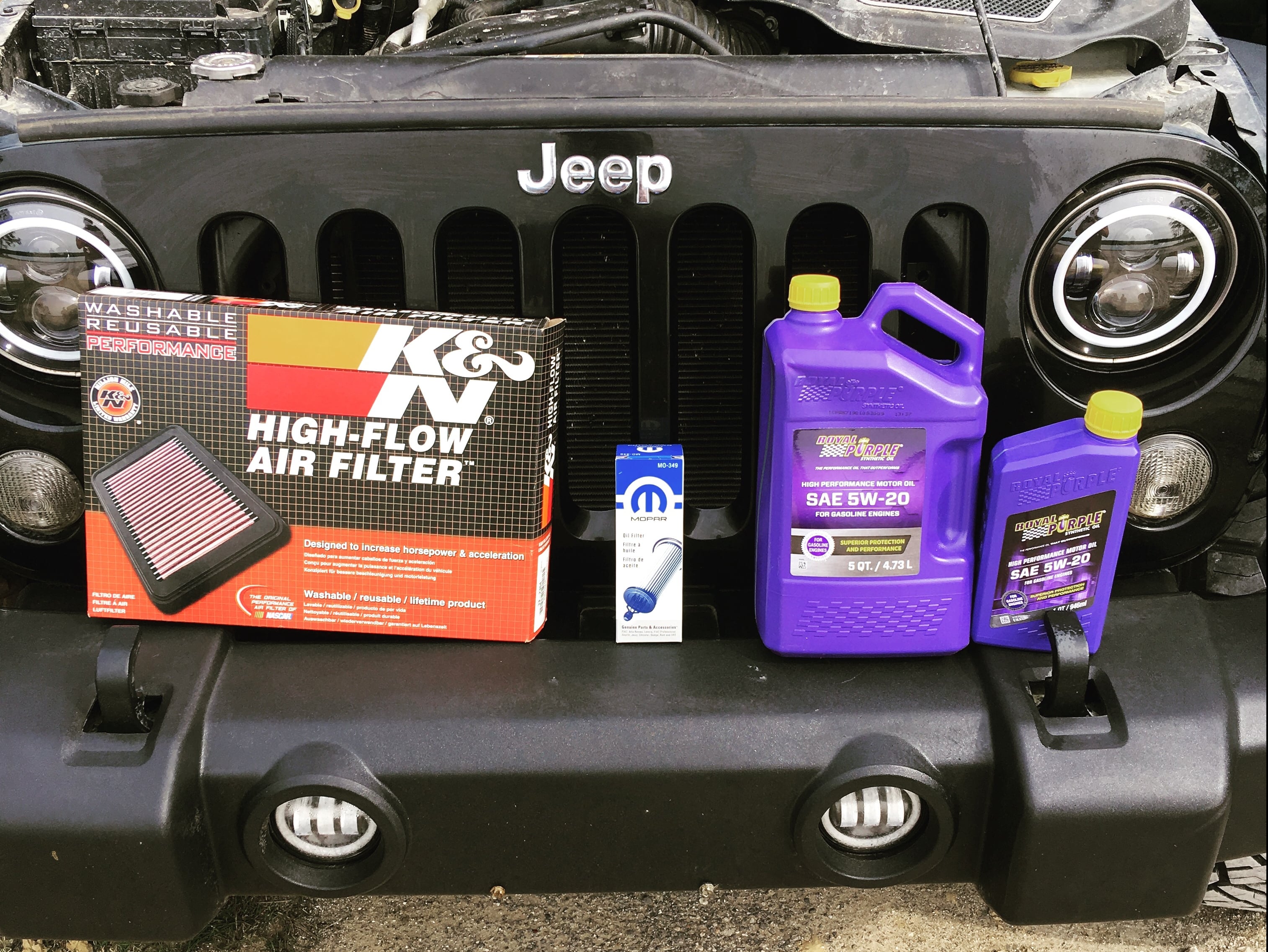
The 42RLE requires Mopar ATF+4 fluid exclusively. Using Dexron or Mercon fluid will damage the transmission. A pan-drop service requires 4 quarts; a complete overhaul fill requires 8.8 quarts.
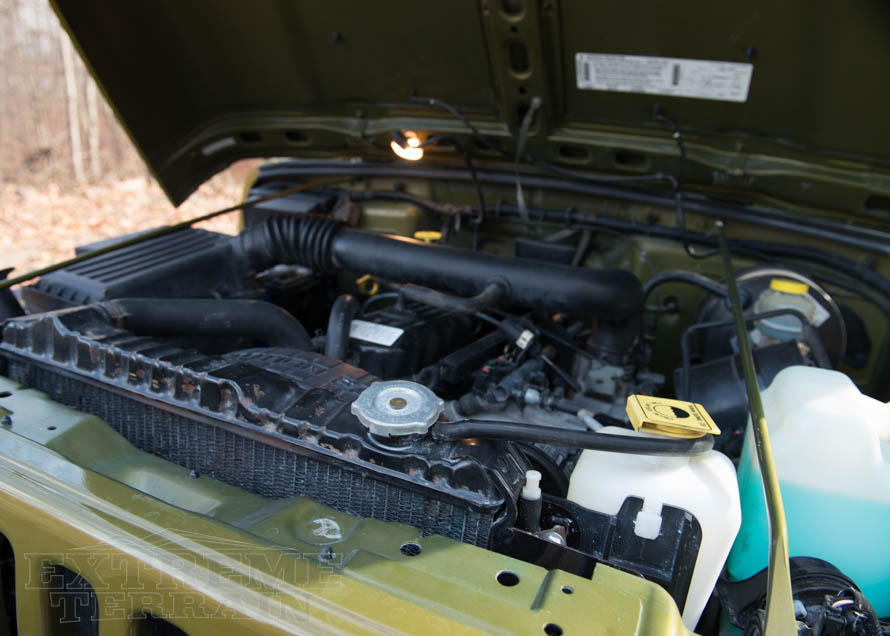
This is not optional and it is not a suggestion — ATF+4 is the only fluid approved for the 42RLE. The Ultradrive-family transmissions use friction modifiers and seal materials that are specifically formulated for ATF+4 chemistry. Running Dexron III, Mercon, or generic "multi-vehicle" ATF will degrade the seals, cause erratic shift quality, and accelerate clutch wear. If you are buying a used Jeep and you do not know its service history, a fluid and filter change with the correct ATF+4 should be one of your first maintenance items.
Pan-Drop Service Overview
A standard pan-drop service is the most common maintenance procedure for the 42RLE:
- Warm the transmission to operating temperature with a short drive.
- Position a drain pan and remove the transmission pan bolts. The 42RLE does not have a drain plug, so loosen one corner first and let the fluid drain gradually.
- Remove the pan, clean it thoroughly, and inspect the magnet for metal debris. Fine sludge is normal; chunks or shavings are not.
- Replace the transmission filter and gasket.
- Reinstall the pan with fresh gasket and torque the bolts to spec.
- Refill with approximately 4 quarts of ATF+4 through the dipstick tube.
- Start the engine, cycle through all gear positions, and check the fluid level with the engine running and the transmission warmed up.
Service Intervals
For a daily-driven Jeep that stays on pavement, a fluid and filter change every 60,000 miles is a reasonable baseline. If you tow regularly, run oversized tires, or take your rig off-road, cut that interval to 30,000 miles — or even 15,000 miles for heavy trail use. Heat is the number one enemy of automatic transmission fluid, and off-road crawling in low range generates serious heat.
Deep Pan Upgrade
An aftermarket deep transmission pan adds fluid capacity, which helps lower operating temperatures. If you tow or wheel regularly, a deep pan is one of the simplest and most effective upgrades you can add. Most deep pans also include a drain plug, making future fluid changes faster and cleaner.
For complete fluid capacity specs across the Wrangler platform, check out our JK Wrangler fluid capacities guide and our Wrangler oils and fluids guide. If you are doing a full drivetrain service on a JK, our JK differential fluid change guide walks you through the axles as well.
Rebuild vs. Replace: Making the Right Decision
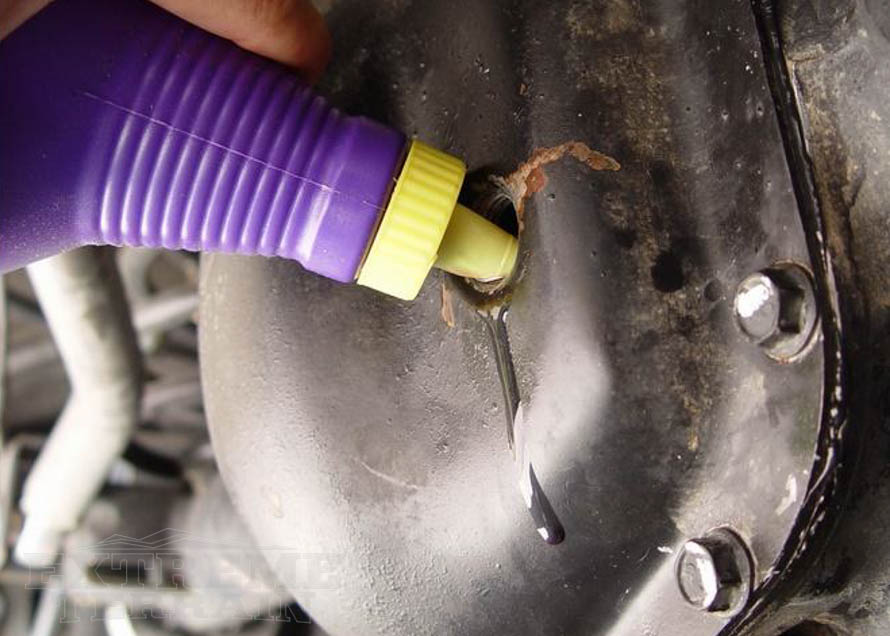
A 42RLE rebuild typically costs $1,500 to $2,500 and makes sense when you have a single known failure point and fewer than 150,000 miles on the transmission. A remanufactured replacement runs $2,000 to $3,500 but includes comprehensive restoration and a longer warranty.
|
Option
|
Typical Cost
|
Warranty
|
Best For
|
|
Rebuild
|
$1,500–$2,500
|
Varies by shop
|
Single known failure, lower mileage
|
|
Remanufactured
|
$2,000–$3,500
|
3–5 years typical
|
Comprehensive restoration, long-term reliability
|
|
Used / Junkyard
|
$500–$1,000
|
Limited or none
|
Budget fix, temporary solution
|
When to Rebuild
A rebuild makes sense when you have identified a specific failure — valve body wear, a bad solenoid pack, or worn accumulators — and the rest of the transmission is still in good shape. If your 42RLE has fewer than 150,000 miles and has had reasonable maintenance, a targeted rebuild can give you another 80,000 to 100,000 miles at a lower cost than a full replacement.
If you go the rebuild route, consider these upgrades while the transmission is apart:
- Upgraded valve body with better-toleranced valves and improved check ball placement
- Bronze bushings to replace the stock steel bushings for reduced wear and better oil distribution
- Steel or aluminum accumulators to replace the factory plastic units
- Performance clutch packs for the overdrive section if you run large tires
- Deep transmission pan for added fluid capacity and a drain plug
When to Replace
Not sure which route makes sense for your Jeep? Our Sales Techs are real drivetrain enthusiasts who can walk you through the options based on your specific mileage, symptoms, and build goals.
Replacement is the better call when you are dealing with multiple simultaneous failures, high mileage (over 200,000 miles), or catastrophic internal damage like a burnt clutch drum or cracked housing. A remanufactured unit comes with all-new wear components, updated tolerances, and a multi-year warranty that gives you peace of mind. It is also the faster option — a rebuild can take a week or more at a transmission shop, while a reman swap is typically a one-day job.
A used or junkyard transmission is the budget route, but you are inheriting an unknown service history. If you go this direction, plan on a fluid and filter change immediately and budget for potential repairs down the road.
Towing With a 42RLE-Equipped Jeep
![]() Towing capacity for 42RLE-equipped Jeeps ranges from 2,000 lbs for a TJ or JK 2-door to 3,500 lbs for a JK Unlimited, and up to 5,000 lbs for certain Liberty configurations.
Towing capacity for 42RLE-equipped Jeeps ranges from 2,000 lbs for a TJ or JK 2-door to 3,500 lbs for a JK Unlimited, and up to 5,000 lbs for certain Liberty configurations.
|
Vehicle
|
42RLE Towing Capacity
|
|
Jeep TJ Wrangler (2003–2006)
|
2,000 lbs
|
|
Jeep JK Wrangler 2-Door (2007–2011)
|
2,000 lbs
|
|
Jeep JK Wrangler Unlimited (2007–2011)
|
3,500 lbs
|
|
Jeep Liberty (2003–2012)
|
2,000–5,000 lbs (varies by package)
|
The 42RLE can handle towing within these limits, but it was not designed to be a heavy-duty tow rig. If you are pulling a small trailer, a pair of dirt bikes, or a lightweight camper, you are well within the transmission's comfort zone. Here is how to protect your 42RLE when towing:
- Monitor your transmission fluid temperature. An aftermarket transmission temp gauge is an inexpensive addition that lets you keep an eye on heat buildup. Pull over and let the transmission cool down if temps climb above 220°F.
- Install an auxiliary transmission cooler. The factory cooler in most Jeeps is marginal for sustained towing. An auxiliary cooler reduces operating temps and significantly extends fluid and component life.
- Avoid overdrive when towing. The 0.69:1 overdrive ratio puts the engine at low RPM, which means the torque converter has to work harder to maintain speed under load. Locking out overdrive keeps the transmission in 3rd gear (1.00:1 direct drive) and reduces heat and slippage.
- Service your fluid more frequently. If you tow regularly, drop your fluid change interval to 30,000 miles or less.
Towing also puts extra stress on the rest of your drivetrain — transfer case, driveshafts, and axles all share the load. For a complete guide to towing setup and hitch selection, check out our Wrangler towing and hitches guide.
42RLE vs. Other Jeep Transmissions
The 42RLE is a 4-speed automatic that slots below the heavier-duty 545RFE 5-speed automatic and alongside the NSG370 6-speed manual in the Jeep transmission lineup. Here is how they compare:
|
Feature
|
42RLE
|
545RFE
|
NSG370 (Manual)
|
|
Speeds
|
4
|
5
|
6
|
|
Type
|
Automatic
|
Automatic
|
Manual
|
|
Used In
|
TJ, JK, Liberty
|
Grand Cherokee, Commander
|
JK (2007–2011)
|
|
Torque Handling
|
Moderate
|
Higher
|
Higher
|
|
Overdrive
|
0.69:1
|
0.67:1
|
0.84:1
|
|
Common Issues
|
Solenoid pack, valve body
|
Overdrive band
|
Synchro wear
|
The 42RLE is a lighter-duty transmission that works well for stock or mildly modified Jeeps. The 545RFE, found in the Grand Cherokee WK and Commander, handles higher torque loads and has an extra gear, making it the better choice for heavier vehicles and towing. If your JK came with the NSG370 6-speed manual, you have more gears to work with and direct mechanical engagement — preferred by many trail enthusiasts for low-speed rock crawling, though it requires more driver input on the highway.
For most TJ and JK owners running the 42RLE, the transmission is perfectly adequate for daily driving and moderate trail use. Where it struggles is under sustained high-load conditions — large tires, heavy bumpers, towing, and extended highway grades. If you are building a heavily modified rig, regular fluid maintenance and the rebuild upgrades mentioned earlier go a long way toward keeping the 42RLE reliable.
Your Jeep's drivetrain is a system — transmission, transfer case, driveshafts, axles, and gears all work together. Whether you are maintaining a stock 42RLE or planning upgrades, ExtremeTerrain carries the drivetrain parts, fluids, and maintenance products you need to keep your rig shifting clean and running strong. If you are not sure which parts fit your specific Jeep, our Sales Techs are real Jeep enthusiasts who can help you find the right match — no scripts, just real advice from people who wrench on their own rigs.
Frequently Asked Questions About the 42RLE Transmission
Whether you are troubleshooting a shifting issue or planning a rebuild, these are the questions Jeep owners ask most about the 42RLE automatic transmission.
Is the Jeep 42RLE a Good Transmission?
The 42RLE is a reliable transmission for stock or mildly modified Jeeps when properly maintained with ATF+4 fluid at regular intervals. It handles daily driving and moderate trail use well but struggles under sustained high loads from oversized tires, heavy bumpers, or frequent towing without upgrades like a deep pan and auxiliary cooler.
What Is the Difference Between a 42RE and a 42RLE?
The 42RE is an older, lighter-duty 4-speed automatic used primarily in the Jeep Grand Cherokee ZJ and early Dodge trucks, while the 42RLE is a newer design derived from the front-wheel-drive 42LE. They are not interchangeable — the 42RLE features electronic adaptive shifting, a different case design, and a different solenoid pack and valve body configuration.
Is the 42RLE a 4-Speed Transmission?
Yes, the 42RLE is a 4-speed automatic transmission with gear ratios of 2.84 (1st), 1.57 (2nd), 1.00 (3rd), and 0.69 (overdrive), plus a 2.21 reverse ratio. The overdrive fourth gear reduces engine RPMs on the highway for improved fuel economy, while the 1.00 third gear provides direct-drive efficiency.
How Long Does a 42RLE Transmission Last?
A well-maintained 42RLE typically lasts 150,000 to 200,000 miles. Regular ATF+4 fluid and filter changes every 30,000 to 60,000 miles are the single biggest factor in longevity. Jeeps with oversized tires, heavy modifications, or frequent towing may see shorter transmission life without additional cooling and upgraded internal components.
What Fluid Does the 42RLE Transmission Use?
The 42RLE requires Mopar ATF+4 transmission fluid exclusively. Using Dexron, Mercon, or generic multi-vehicle ATF will damage internal seals and friction materials, causing erratic shifting and premature failure. Always verify the fluid type before topping off or servicing a 42RLE, especially on a used vehicle with unknown service history.
How Many Quarts Does a 42RLE Transmission Hold?
A 42RLE pan-drop fluid service requires approximately 4 quarts (3.8 liters) of ATF+4. A complete dry fill after a rebuild or overhaul requires 8.8 quarts (8.3 liters). Always check the fluid level with the engine running and the transmission at operating temperature after refilling to ensure accurate readings.
What Are the Most Common 42RLE Transmission Problems?
The most frequently reported 42RLE problems include valve body wear causing flared or harsh shifts, solenoid pack failure triggering erratic shifting or fault codes, torque converter clutch shudder at highway speed, overdrive clutch burnout on modified vehicles, and limp mode activation from faulty sensors or low fluid. Regular maintenance prevents most of these issues.
Is It Cheaper to Rebuild or Replace a 42RLE Transmission?
A 42RLE rebuild typically costs $1,500 to $2,500, while a remanufactured replacement runs $2,000 to $3,500. Rebuilding is more cost-effective for single known failures on lower-mileage transmissions, while replacement makes more sense for high-mileage units with multiple failures, since a remanufactured unit includes comprehensive restoration and a multi-year warranty.
What Vehicles Use the 42RLE Transmission?
The 42RLE was installed in the Jeep Wrangler TJ (2003–2006), Jeep Wrangler JK (2007–2011), Jeep Liberty (2003–2012), Dodge Dakota (2004–2011), Dodge Nitro (2007–2011), Chrysler 300 (2005–2010), Dodge Charger (2006–2010), Dodge Challenger (2009–2010), and Dodge Ram 1500 (2006–2012).
What Are the 42RLE Gear Ratios?
The 42RLE gear ratios are 2.84:1 in first, 1.57:1 in second, 1.00:1 in third (direct drive), 0.69:1 in overdrive (fourth), and 2.21:1 in reverse. The 1.00:1 third gear matches engine speed to output shaft speed, while the 0.69:1 overdrive reduces RPMs by roughly 31 percent for highway cruising efficiency.