Introduction
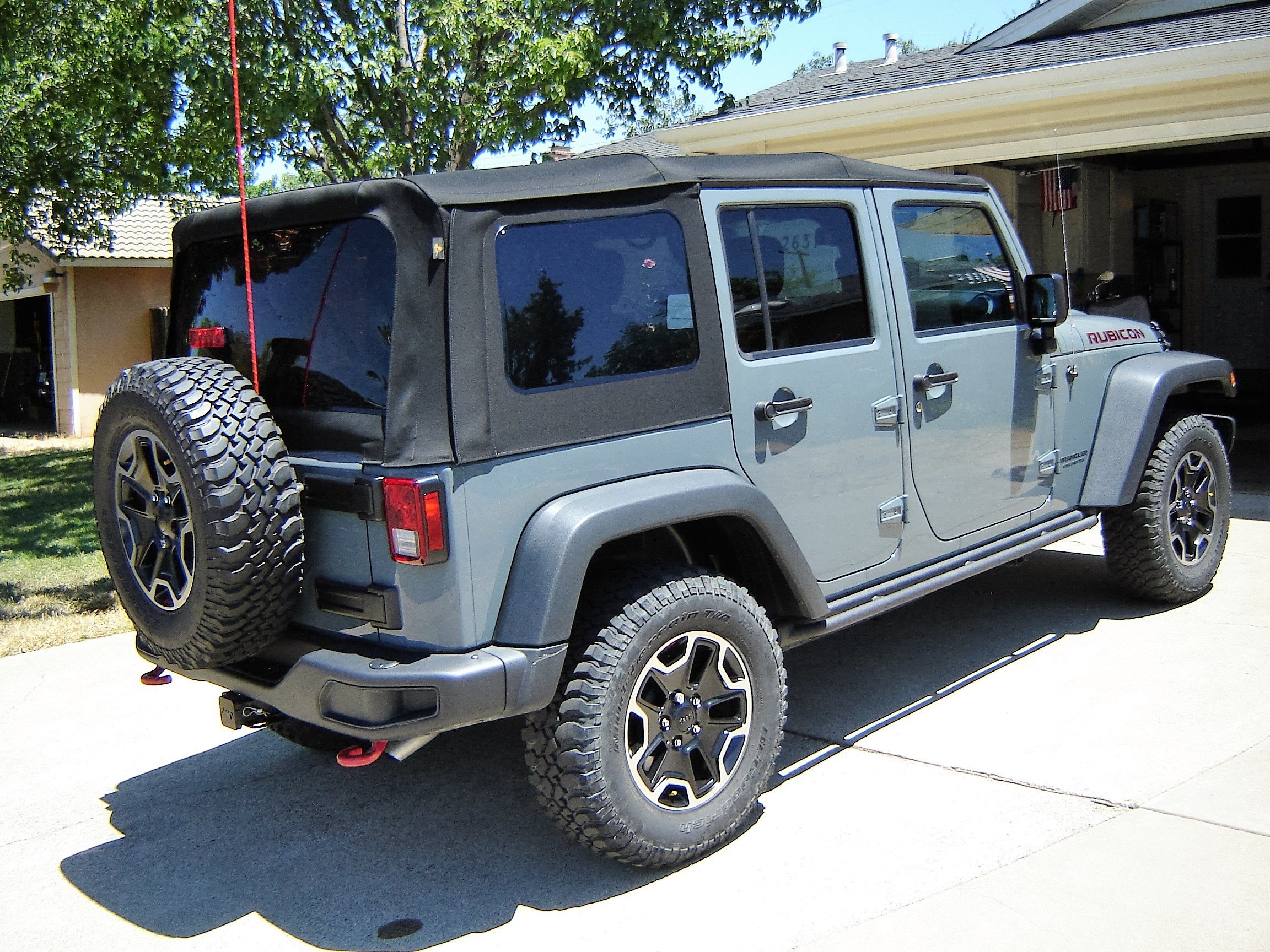
![]() Your Jeep soft top is one of the most hands-on parts of Wrangler and Gladiator ownership. It shapes how you experience every trail, every highway mile, and every season change behind the wheel. Whether you are washing it for the first time, comparing Bestop models for an upgrade, figuring out a dual-top swap, or deciding if that worn-out fabric has finally run its course, this owner's guide covers it all in one place. We pulled together the essentials on care, cleaning, brand comparison, summer and dual-top setup, and replacement timing so you have a single reference to keep your soft top performing for years. If you are still deciding between top styles, check out our breakdown of types of Jeep Wrangler tops before diving in.
Your Jeep soft top is one of the most hands-on parts of Wrangler and Gladiator ownership. It shapes how you experience every trail, every highway mile, and every season change behind the wheel. Whether you are washing it for the first time, comparing Bestop models for an upgrade, figuring out a dual-top swap, or deciding if that worn-out fabric has finally run its course, this owner's guide covers it all in one place. We pulled together the essentials on care, cleaning, brand comparison, summer and dual-top setup, and replacement timing so you have a single reference to keep your soft top performing for years. If you are still deciding between top styles, check out our breakdown of types of Jeep Wrangler tops before diving in.
Can a Jeep Soft Top Go Through a Car Wash?
![]()
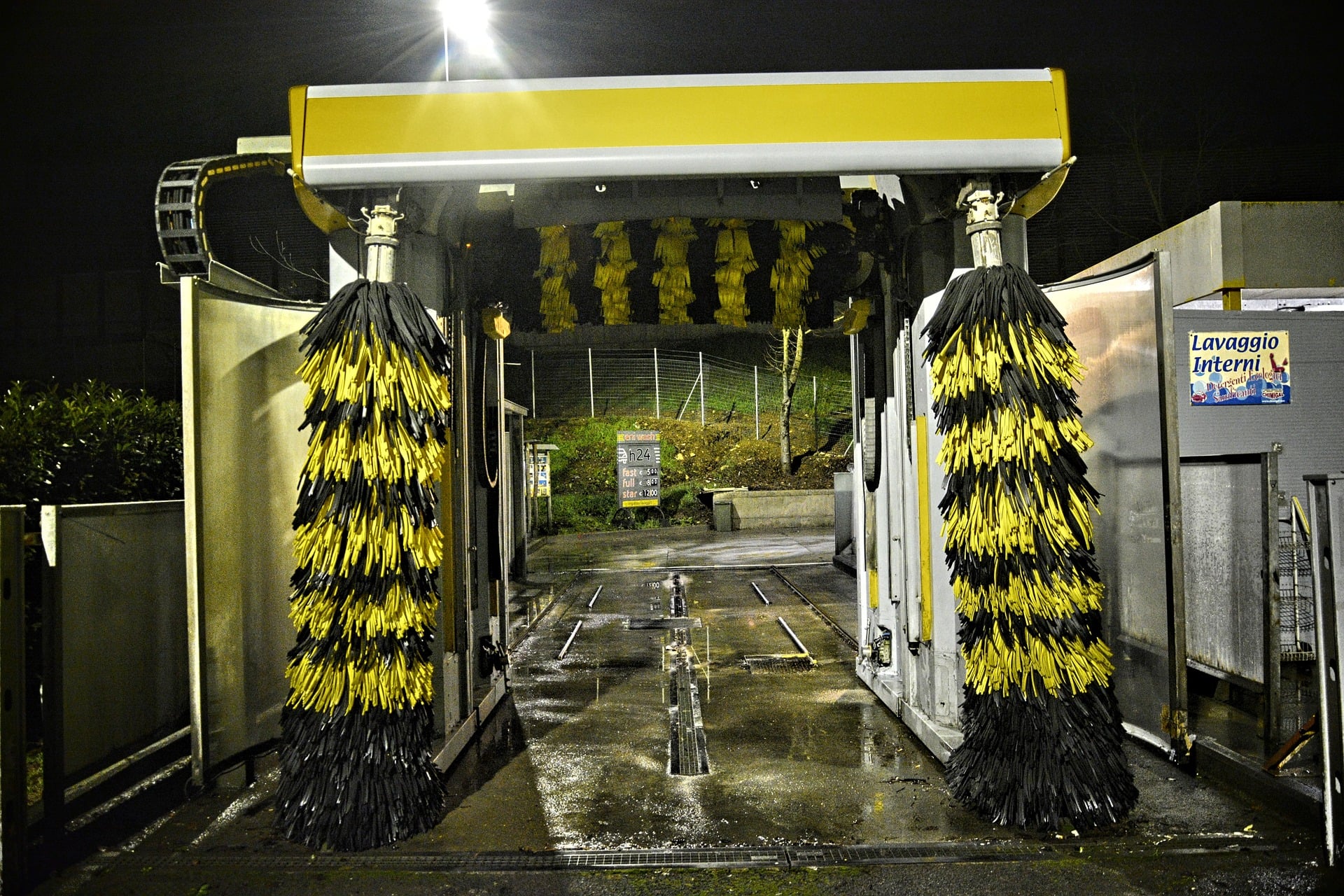
Yes, a Jeep soft top can go through a touchless car wash, but it is not ideal for long-term fabric health. Touchless washes use high-pressure water and chemical detergents that can strip protective coatings and accelerate wear on seams, zippers, and window seals over time.
Brush-style car washes are a hard no. The spinning bristles can scratch vinyl and plastic windows, tear at seams, and pull on fabric edges. Even "soft cloth" automated washes generate enough friction to degrade window clarity and scuff the top material. OEM factory tops and premium aftermarket tops from brands like Bestop are built to handle rain, UV, and trail debris, but they are not designed to take repeated mechanical scrubbing from car wash equipment.
The best approach is always a hand wash. A garden hose, a soft-bristle brush, and a dedicated soft top cleaner give you complete control over pressure, contact, and chemical exposure. You avoid the risk of window scratches, you can target problem areas like seams and corners where dirt builds up, and you get to inspect the top for early signs of wear while you clean it. Think of hand washing as a quick maintenance check rolled into the cleaning process.
If you are in a pinch and a touchless wash is your only option, make sure all zippers are fully closed, windows are secured, and you skip the high-pressure pre-soak cycle if possible. But for regular cleaning, keep it old-school with a hose and bucket in the driveway.
How to Clean and Maintain a Jeep Soft Top
![]() The best cleaner for a Jeep soft top is a purpose-built vinyl and fabric top cleaner like Bestop Cleaner and Protectant. General-purpose car wash soap can leave residue that attracts dirt and breaks down UV coatings, while household cleaners like dish soap strip oils from the fabric and accelerate drying and cracking.
The best cleaner for a Jeep soft top is a purpose-built vinyl and fabric top cleaner like Bestop Cleaner and Protectant. General-purpose car wash soap can leave residue that attracts dirt and breaks down UV coatings, while household cleaners like dish soap strip oils from the fabric and accelerate drying and cracking.
Consistent cleaning and protection is what separates a soft top that lasts two years from one that lasts seven. Here is how to do it right.
Step-By-Step Cleaning Process
- Pre-rinse the entire top. Use a garden hose with moderate pressure to knock off loose dirt, dust, pollen, and trail debris. Pay extra attention to seams, window edges, and the area where the top meets the windshield header. Never start scrubbing a dry, dirty top because you will grind grit into the fabric.
- Apply a dedicated soft top cleaner. Spray Bestop Cleaner and Protectant or a similar vinyl-safe product across the entire surface. Work in sections so the cleaner does not dry before you scrub. Avoid household cleaners, bleach, or anything with ammonia because they will destroy the fabric coating.
- Scrub with a soft-bristle brush or microfiber cloth. Use gentle circular motions on the fabric panels. For plastic and vinyl windows, switch to a clean microfiber towel only because brushes can micro-scratch the surface. Stubborn spots like bird droppings or tree sap may need a second application and a few minutes of soak time.
- Rinse thoroughly. Flush all cleaner residue with clean water. Leftover soap attracts dirt and can leave streaks on windows. Make sure water runs clear from every seam and fold.
- Dry completely with microfiber towels. Water spots on vinyl windows are stubborn once they set, so towel-dry the windows first. Let the fabric air dry fully before folding or storing the top. A damp soft top is an invitation for mildew.
For a deeper look at ongoing soft top care, check out our Jeep soft top maintenance guide.
Waterproofing and UV Protection
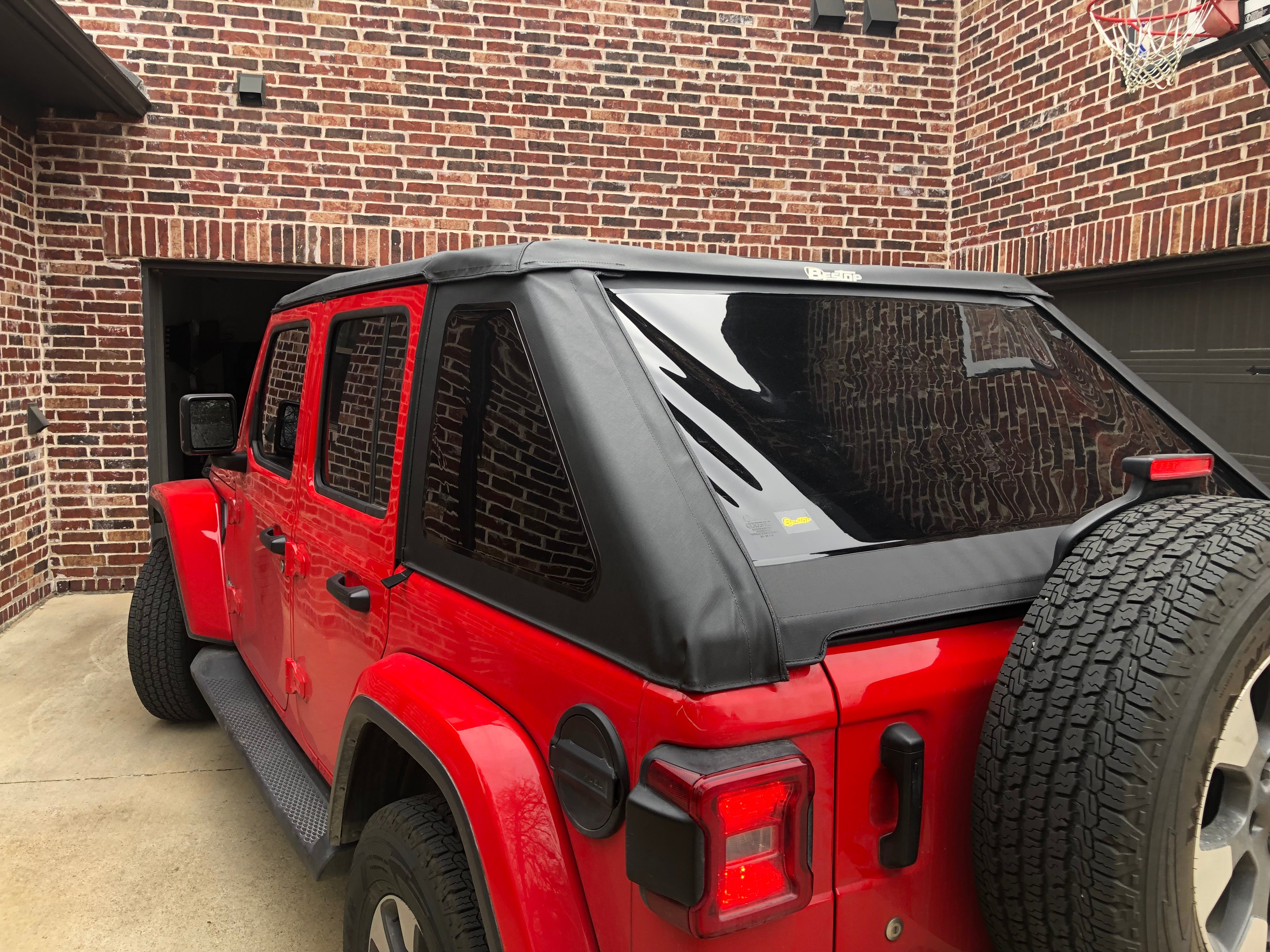
Cleaning alone is not enough. UV exposure is the top killer of soft top fabric and windows. Sunlight breaks down the vinyl coating, fades color, and makes the material brittle over time. A UV protectant creates a barrier that slows that process significantly.
- Apply protectant every 30 to 90 days. If your Jeep lives outside or you are in a high-UV climate like the Southwest, lean toward the 30-day end. Garage-kept rigs can stretch closer to 90 days.
- Use a product designed for soft tops. 303 Fabric Guard and Bestop Protectant are both solid options. They restore water repellency and add UV shielding without leaving a greasy film.
- Inspect seams and reseal as needed. Seam sealer breaks down with age and flexing. Run your finger along every seam after cleaning. If you feel roughness, separation, or stiffness, apply a seam sealer before the next rain.
- Apply multiple thin coats. One heavy coat pools in creases and dries unevenly. Two or three light passes give you more consistent coverage and better long-term protection.
Mildew Prevention and Storage Tips
Mildew is the other major enemy of soft tops, especially if you live in a humid climate or store your Jeep with a damp top. Once mildew sets into the fabric weave, it is extremely difficult to remove completely and the staining is usually permanent.
- Never fold or store a damp soft top. This is the single most common cause of mildew. If you get caught in the rain, leave the top up and open the windows or doors in a covered area to let airflow dry the underside.
- Promote air circulation during storage. If you are pulling the soft top off for winter or switching to a hard top, store it in a breathable soft top storage bag, not a sealed plastic bin. A dehumidifier in the storage area goes a long way in humid regions.
- Treat mildew early. If you spot small mildew patches, clean them immediately with a dedicated mildew remover before they spread. The longer mildew sits, the deeper it penetrates the fabric fibers.
For detailed off-season storage steps, our guide on how to store your soft top long-term walks through the full process.
Jeep Soft Top Brand Comparison: Bestop and Beyond
![]() The Bestop Trektop NX is the most popular aftermarket Jeep soft top line, and it comes in four models: the standard NX with a fastback Sunrider design and zippered windows, the NX Pro with a hard-window hybrid build that eliminates zippers entirely, the NX Glide with a full fold-back canopy and bead-and-channel windows, and the NX Plus with a one-person Sunrider operation and zipperless bead-and-channel window system.
The Bestop Trektop NX is the most popular aftermarket Jeep soft top line, and it comes in four models: the standard NX with a fastback Sunrider design and zippered windows, the NX Pro with a hard-window hybrid build that eliminates zippers entirely, the NX Glide with a full fold-back canopy and bead-and-channel windows, and the NX Plus with a one-person Sunrider operation and zipperless bead-and-channel window system.
Choosing the right soft top brand and model depends on how you use your Jeep, how often you want the top open, and how much you value convenience features like zipperless windows or one-person operation. Here is how the main options stack up.
Bestop Trektop NX Family
Bestop has been the go-to name in Jeep soft tops for decades, and the Trektop NX lineup is their flagship offering. All four models are available in Black Twill for improved durability and a factory-like appearance.
|
Model
|
Key Feature
|
Windows
|
Best For
|
|
Trektop NX
|
Fastback design with integrated Sunrider
|
Zippered, removable
|
Owners who want proven durability and a classic soft top experience
|
|
Trektop NX Pro
|
Soft top and hard top hybrid
|
Hard windows, no zippers
|
Owners who want hard top window clarity and noise reduction with soft top convenience
|
|
Trektop NX Glide
|
Full fold-back canopy
|
Bead-and-channel, removable
|
Owners who frequently switch between open-air and enclosed driving
|
|
Trektop NX Plus
|
One-person Sunrider operation
|
Bead-and-channel, zipperless
|
Solo owners who want fast open-air access without wrestling with zippers
|
The NX and NX Glide use traditional zippered or bead-and-channel soft windows, while the NX Pro stands out with actual hard windows that dramatically reduce road noise and improve visibility. The NX Plus splits the difference with bead-and-channel windows and a Sunrider mechanism that one person can operate without climbing around the Jeep. Browse the full lineup and find the right fit for your Wrangler or Gladiator in our Bestop parts catalog.
Other Popular Soft Top Brands
Bestop is not the only option worth considering. Several other aftermarket brands build quality soft tops at different price points, so you have choices no matter your budget or build priorities.
MasterTop focuses on straightforward replacement tops for JK and JL Wranglers with solid materials and competitive pricing — a strong pick if you want a reliable replacement without the premium price tag.
Rampage offers frameless designs and trail tops that appeal to owners who want a simpler, lighter setup for warm-weather driving.
Smittybilt covers soft top replacements and hybrid options. If you are also weighing hard top options, their Safari hard top is worth a look. For a full breakdown of hard top choices, check out our guide to Jeep hard tops.
No matter which brand you lean toward, make sure the top is built for your specific Jeep generation. A JL top will not fit a JK frame, and TJ tops have their own unique mounting points. If you are not sure which top fits your rig, reach out to one of our Sales Techs at 1-610-990-4559 for help narrowing it down.
Dual-Top Setup and Summer Top Options
![]()
Managing a Dual Top Option Jeep
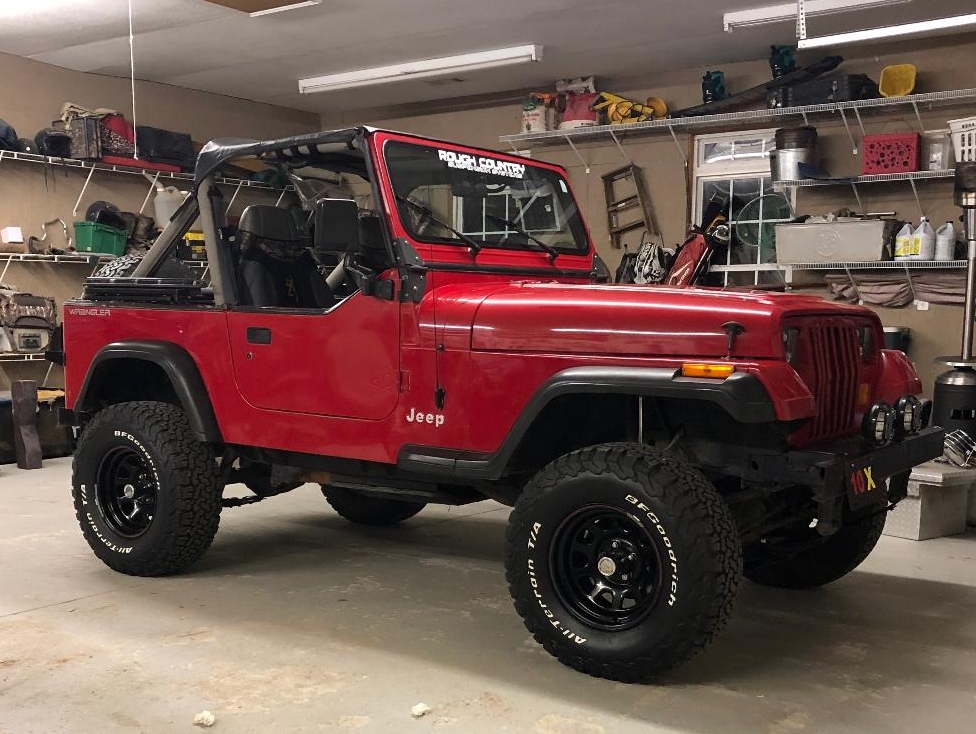
No, you should not drive with both a hard top and a soft top installed on your Jeep at the same time. The dual-top option means your Wrangler came equipped with the hardware to accept either top, not both simultaneously. Running both tops stacked together puts excess weight on the soft top frame, compresses the fabric, and can warp the mounting points over time.
You have two practical approaches with a dual-top Jeep:
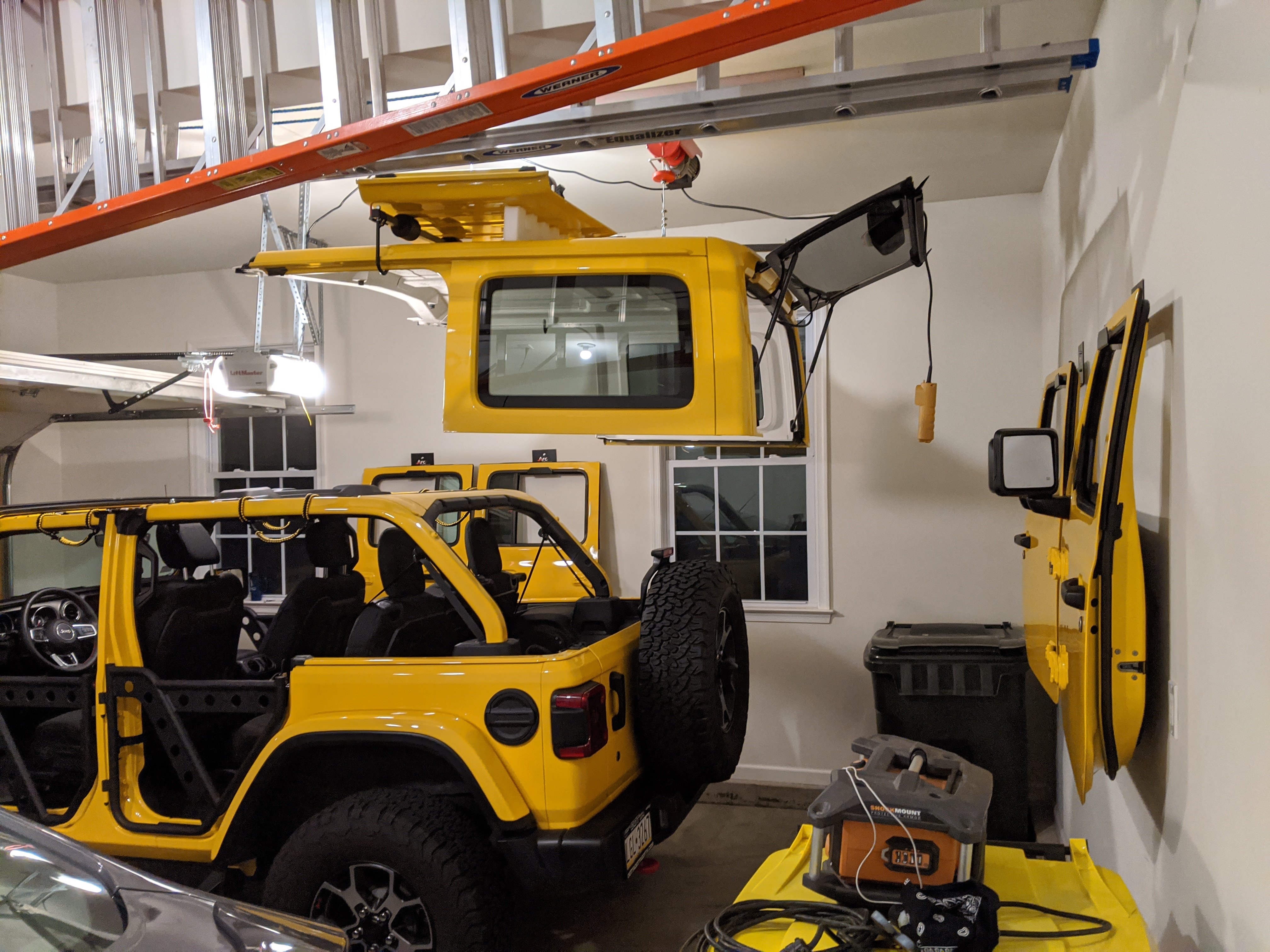
- Swap to the soft top and store the hard top. This is the most common warm-weather move. Pull the hard top off (you will want a hoist or at least two helpers), install the soft top framework and fabric, and store the hard top on a cart or ceiling hoist in the garage. The soft top gives you open-air flexibility all summer while the hard top stays safe for winter reinstallation.
- Keep the hard top and remove the soft top entirely. If you prefer the hard top year-round but want the soft top as a backup, remove the soft top frame and fabric completely and store them in a breathable bag. This keeps everything clean and prevents UV damage to the stored soft top fabric.
The general rule of thumb: hard top for winter insulation and security, soft top for warm-weather open-air driving. Most dual-top owners swap twice a year and build a system for it. A hard top hoist mounted in the garage ceiling makes the seasonal swap a 30-minute job instead of an afternoon project.
Summer Tops and Bikini Tops Explained
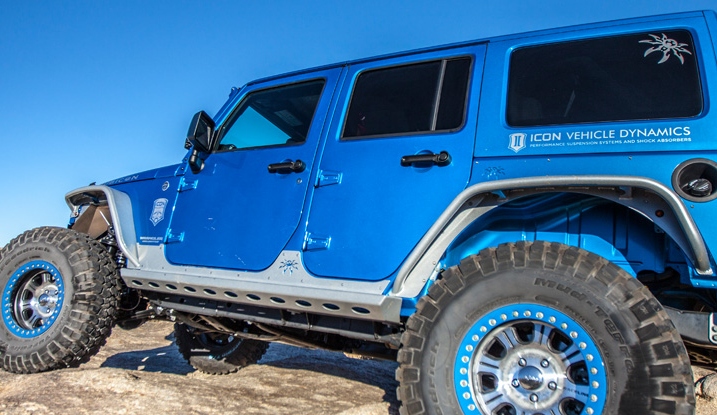
If a full soft top feels like overkill for peak summer driving, there is a whole category of lighter options designed to give you sun protection without enclosing the cabin.
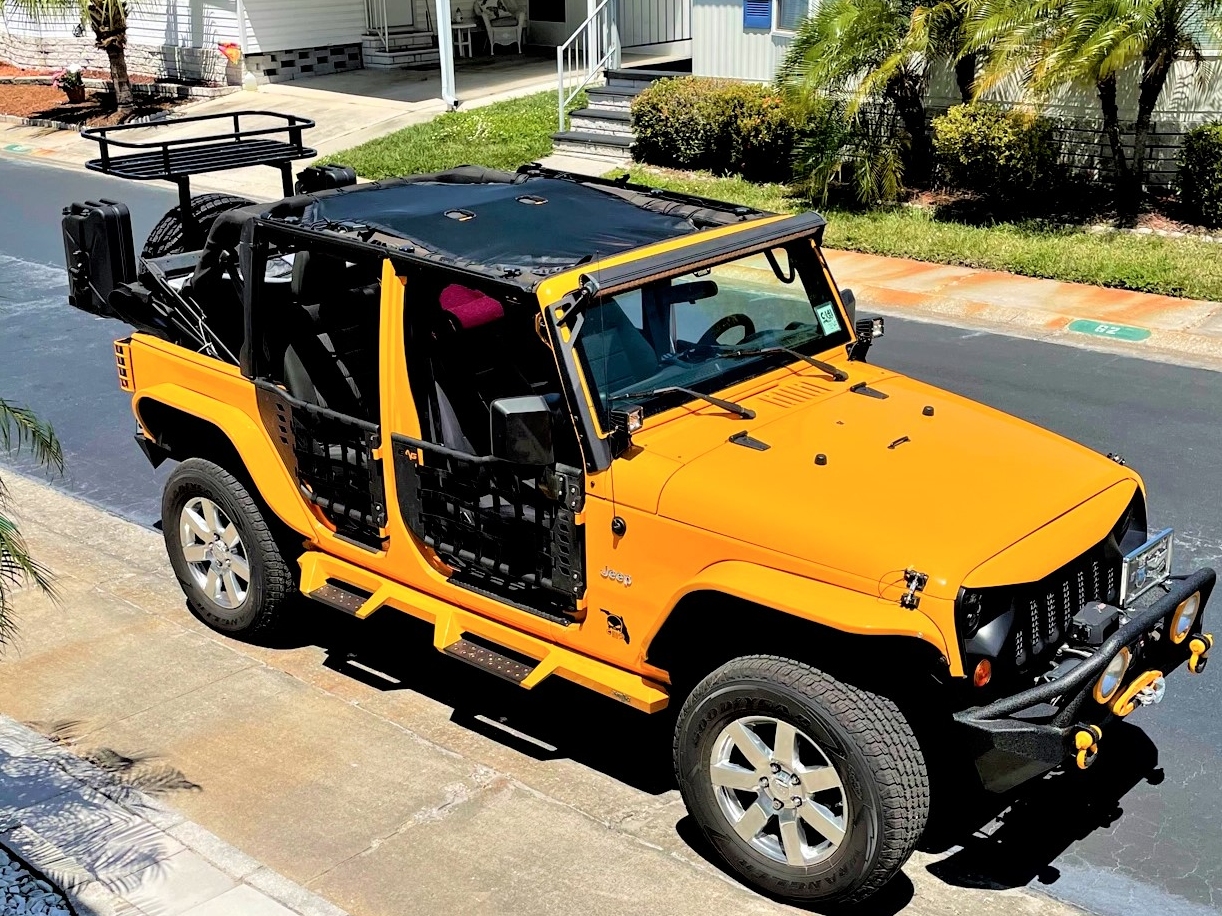
Bikini tops are the most stripped-down option. They cover the front seats and sometimes the rear, providing shade without side or rear coverage. Think of them as a canopy, not a roof. Bestop makes several popular versions including the Safari Bikini and Targa Sun top that mount to your sport bar and provide quick sun relief on trail days. You can install most bikini tops in minutes with no tools.
Mesh tops take a different approach. They use a tight mesh fabric that blocks a significant percentage of UV rays while still letting air flow through. Mesh tops are especially popular for desert and southern trail riding where shade matters more than weather protection. They are not waterproof, so they are purely a fair-weather accessory.
Sunrider for Hardtop is a Bestop product that replaces the front freedom panels on a JK or JL hard top with a folding soft panel. It gives hard top owners the ability to open up the front half of the roof without removing anything. It is a great middle ground if you want some open-air driving without committing to a full soft top swap.
The key distinction: a bikini top or mesh top gives you minimal coverage for sun protection only, while a full soft top gives you an enclosed cabin with windows, weather sealing, and security. Most owners who drive their Jeep daily keep a full soft top or hard top for commuting and use a bikini or mesh top on dedicated trail days or weekend cruises.
Check out our picks for the best bikini tops for Jeep and browse the full selection of bikini tops and mesh tops available for your Wrangler or Gladiator.
When to Replace Your Jeep Soft Top
![]() A Jeep soft top typically lasts three to five years with standard materials and regular use. Premium materials like Bestop's Black Twill and Sailcloth can extend that lifespan to five to seven years when paired with consistent cleaning and UV protection. Climate, storage habits, and how often you fold or remove the top all affect how quickly it wears out.
A Jeep soft top typically lasts three to five years with standard materials and regular use. Premium materials like Bestop's Black Twill and Sailcloth can extend that lifespan to five to seven years when paired with consistent cleaning and UV protection. Climate, storage habits, and how often you fold or remove the top all affect how quickly it wears out.
Here are the signs that your soft top is ready to be replaced:
- Persistent leaks. If water is getting in around seams, the windshield header channel, or window edges even after resealing, the fabric has likely stretched or the sealing surfaces have degraded beyond repair.
- Cracked or yellowed windows. Vinyl windows cloud and crack with UV exposure and age. Once they are too hazy to see through clearly, no amount of polish will bring them back. Replacement is the only fix.
- Brittle or faded fabric. Run your hand along the top. If the fabric feels stiff, crunchy, or papery instead of flexible, the material has broken down. Fading is cosmetic at first, but it signals that UV protection has failed and structural degradation follows.
- Failing zippers and hardware. Zippers that stick, skip teeth, or will not close fully are a sign of frame misalignment or zipper wear. Hardware that has corroded or snaps that no longer hold are equally strong signals that the top has reached end of life.
Replacing a soft top is a manageable DIY job. Most owners complete the swap in two to four hours with basic hand tools and no prior experience. The trickiest part is usually aligning the rear window and tailgate bar, but manufacturer instructions walk you through it step by step.
When you are ready to shop, browse our full selection of soft top replacement parts filtered by your specific Jeep generation. And if road noise has been an issue with your current setup, our guide on how to reduce soft top wind noise covers insulation and seal upgrades that make a real difference on the highway.
Find Your Next Jeep Soft Top
![]() Whether you are replacing a worn-out top, upgrading to a Bestop Trektop NX, or adding a bikini top for summer trail days, ExtremeTerrain carries the full range of Jeep soft tops for every Wrangler and Gladiator generation. Every order over $149 ships free, and nearly all orders ship the same day they are placed.
Whether you are replacing a worn-out top, upgrading to a Bestop Trektop NX, or adding a bikini top for summer trail days, ExtremeTerrain carries the full range of Jeep soft tops for every Wrangler and Gladiator generation. Every order over $149 ships free, and nearly all orders ship the same day they are placed.
Not sure which top fits your build or need help choosing between models? Reach out to one of our Sales Techs at 1-610-990-4559. They are real Jeep enthusiasts who can walk you through fitment, material options, and installation for your specific rig. No scripts, just honest advice from people who know these vehicles inside and out.
Frequently Asked Questions About Jeep Soft Tops
Jeep soft top ownership comes with questions about care, compatibility, and replacement. Here are the most common questions Jeep owners ask about maintaining and choosing the right soft top.
Can a Jeep Soft Top Go Through a Car Wash?
Jeep soft tops can go through touchless car washes, but automatic brush washes risk scratching, tearing, or stretching the material. High-pressure touchless bays may still cause leaks around seams and hardware. OEM-style tops handle pressure better than aftermarket sun shields. Hand washing at home or at a specialized detail shop is always the safest option for preserving your soft top.
How Do You Clean a Jeep Soft Top at Home?
Pre-rinse the top with a garden hose to remove loose dirt, then apply a dedicated soft top cleaner like the Bestop Cleaner and Protectant kit. Use a soft-bristle brush or microfiber cloth to gently scrub the fabric, rinse thoroughly, and dry with a microfiber towel. Finish by applying a UV protectant sealant to guard against fading and mildew growth.
What Is the Best Soft Top Cleaner for a Jeep Wrangler?
The Bestop Soft Top Cleaner and Protectant Package is a popular all-in-one kit that includes fabric cleaner, protectant sealant, and window cleaner. Another trusted option is 303 Fabric Guard. Avoid household detergents, bleach, or abrasive chemicals, as these break down the vinyl or sailcloth material and strip water-repellent coatings.
How Long Does a Jeep Soft Top Last?
A well-maintained Jeep soft top typically lasts three to five years with regular use, though premium materials like Bestop's Black Twill or Sailcloth can extend that to seven years or more. UV exposure, weather conditions, and cleaning frequency are the biggest factors. Signs of replacement include persistent leaks, cracked or yellowed windows, and fabric that has lost its flexibility.
What Is the Difference Between Bestop Trektop NX Models?
The Bestop Trektop NX family includes four models. The standard NX features a fastback look with Sunrider and zippered windows. The NX Pro is a soft top/hard top hybrid with hard side and rear windows. The NX Glide folds the entire top to the rear for maximum open-air access. The NX Plus offers a one-person Sunrider flip-back and zipperless bead-and-channel windows.
Can You Use a Hard Top and Soft Top at the Same Time?
Dual top option Jeeps ship with both tops installed, but you should not drive with both mounted long-term because the hard top can compress and damage the soft top underneath. Remove the hard top to use the soft top, or remove the soft top entirely and reinstall the hard top. Many owners swap to the soft top in warm months and store the hard top during summer.
What Is a Jeep Bikini Top vs. a Full Soft Top?
A bikini top is a minimal canopy that covers the front seats (or extends to the rear) without enclosing the sides of the Jeep. It provides sun protection and airflow but no weather sealing. A full soft top encloses the entire cabin with removable windows, offering protection from rain, wind, and trail debris. Bikini tops are lighter, cheaper, and easier to install.
How Do You Waterproof a Jeep Soft Top?
Clean the top thoroughly and let it dry completely before applying a fabric protectant like 303 Fabric Guard or Bestop Protectant. Apply multiple thin coats in a well-ventilated area, paying extra attention to seams and stitching. Reapply every 30 to 90 days depending on exposure. Also inspect and reseal seams annually and lubricate zippers to maintain a watertight seal.
When Should You Replace a Jeep Soft Top?
Replace your soft top when you notice persistent water leaks that cleaning and resealing cannot fix, vinyl windows that are cracked or too cloudy to see through, fabric that has become brittle or faded beyond restoration, or hardware and zippers that no longer function properly. Most replacement soft tops can be installed at home with basic hand tools in two to four hours.
How Do You Reduce Jeep Soft Top Wind Noise?
Install in-channel wind deflectors to redirect airflow away from the soft top at highway speeds. Replace worn door seals and window channels to eliminate gaps where air enters the cabin. Sound-deadening kits for the floor and cargo area also reduce road noise. Ensuring the soft top is properly seated and all latches are fully secured prevents rattling and flapping.