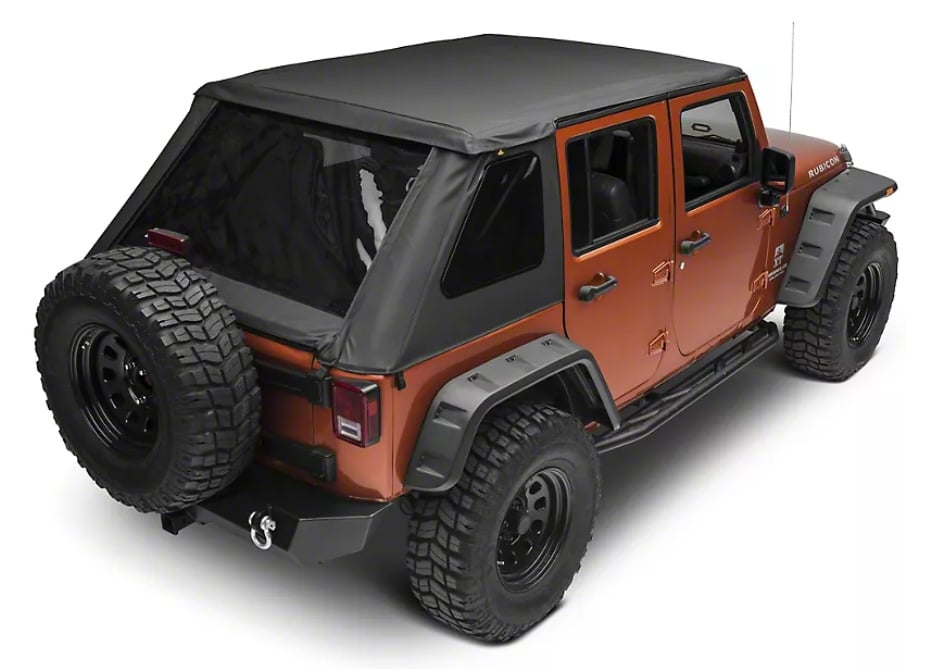
If highway driving in your Wrangler sounds more like a wind tunnel than a road trip, your soft top is likely the culprit — but it doesn't have to stay that way. This guide walks you through the most common sources of Jeep soft top noise reduction problems, how to diagnose which one is affecting your rig, and the specific upgrades that fix each issue. From wind deflectors and sound deadening mats to fresh weatherstripping and full top replacements, you'll find the right starting point for your generation — whether you drive a JL, JK, TJ, YJ, or even a Ford Bronco.
Why Soft Tops Make Noise
![]() Jeep soft tops are noisier than hardtops because flexible fabric and vinyl cannot block sound the way rigid fiberglass or aluminum panels do. The material vibrates at highway speeds, and every seam, zipper, and seal point is a potential path for wind to enter your cabin.
Jeep soft tops are noisier than hardtops because flexible fabric and vinyl cannot block sound the way rigid fiberglass or aluminum panels do. The material vibrates at highway speeds, and every seam, zipper, and seal point is a potential path for wind to enter your cabin.
So what's actually causing the racket in your Wrangler? There are three main culprits:
- Material vibration. A soft top flutters and resonates with wind pressure, especially above 50 mph. Thinner or older fabrics amplify this effect.
- Gaps at seams and hardware. Soft tops are designed to fold down, which means they rely on zippers, snaps, header bar latches, and freedom panel seals to stay tight. Any looseness at these contact points lets air whistle through.
- UV and weather degradation. Sun exposure stiffens vinyl, shrinks fabric, and cracks rubber seals over time. A top that fit snugly two years ago may now have small gaps that funnel wind into the cabin.
None of this means soft tops are a bad choice — the open-air freedom is the whole point of owning a Wrangler. But understanding where noise enters your rig is the first step toward fixing it.
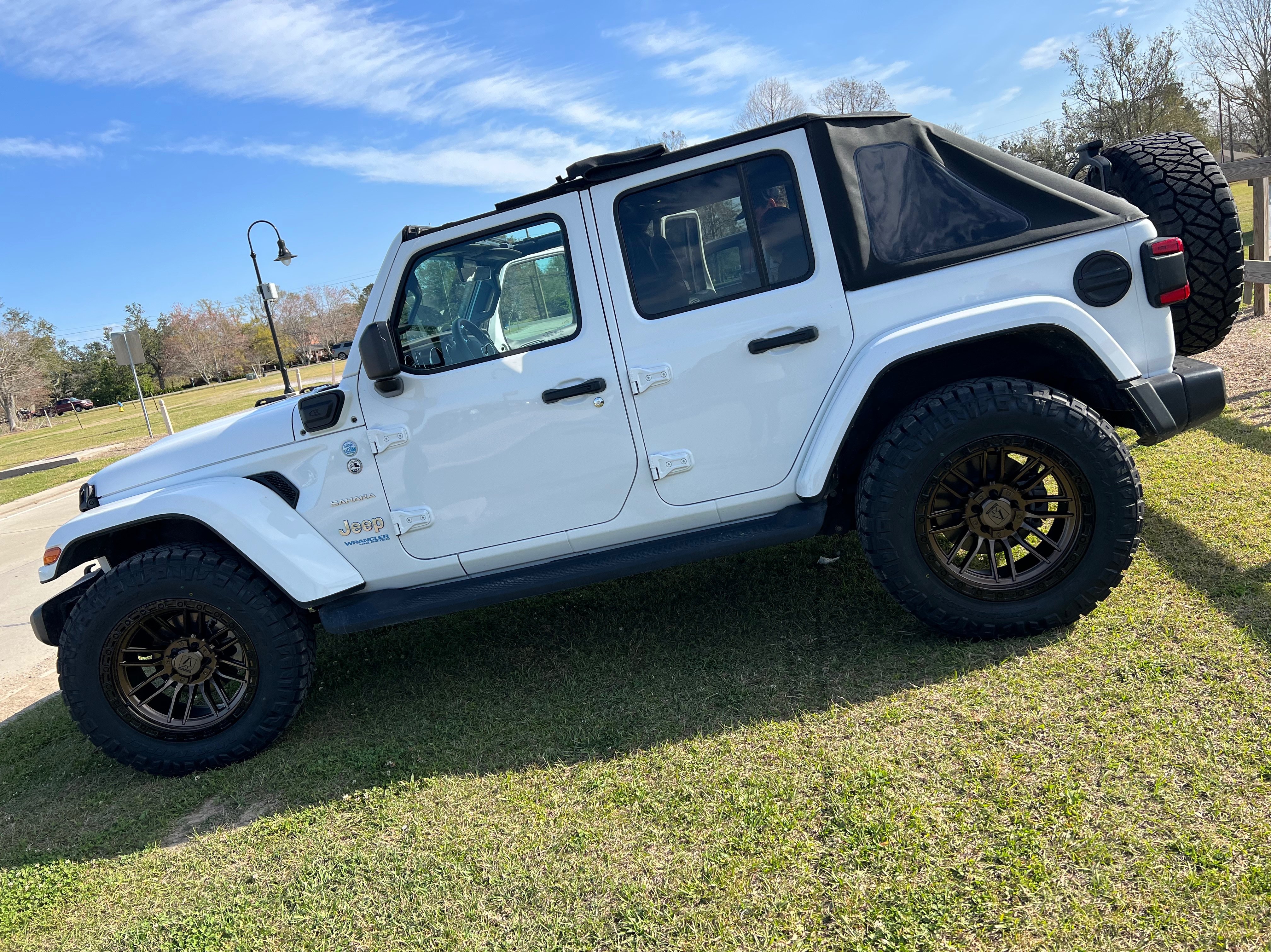
How to Diagnose Your Soft Top Noise
Before you start buying parts, figure out exactly where your noise is coming from.
A targeted fix is cheaper, faster, and more effective than throwing solutions at the wrong problem. Start with a visual inspection. Walk around your Wrangler and look at every point where the soft top meets the body:
- Header bar. Check that the latches pull the top snug against the windshield frame. A header bar that doesn't seat flush is one of the most common sources of wind noise.
- Door seals. Run your fingers along the rubber weatherstripping on all doors. Feel for cracks, gaps, or sections where the seal has gone flat and lost its spring.
- Freedom panels (JK/JL). If your Wrangler has removable freedom panels, inspect where they meet the front header and rear soft top. These joints are notorious for developing small air leaks.
- Zippers and snaps. Operate every zipper and snap on the top. Anything that sticks, skips teeth, or doesn't fully close is letting air in.
- Fabric condition. Look for tears, pinholes, UV fading, or spots where the material has stretched away from its frame.
Next, take a drive at highway speed and listen. Is the noise a steady drone (road noise amplified by thin insulation), a rhythmic flapping (loose fabric), or a sharp whistle (air leak at a specific seal point)? Have a passenger help pinpoint the location. This tells you which fix below to prioritize.
Not sure what you're hearing or which fix to start with? Our Sales Tech team are real Wrangler and 4x4 enthusiasts who can help you narrow it down and pick the right parts for your specific year and model.
Install Wind Deflectors
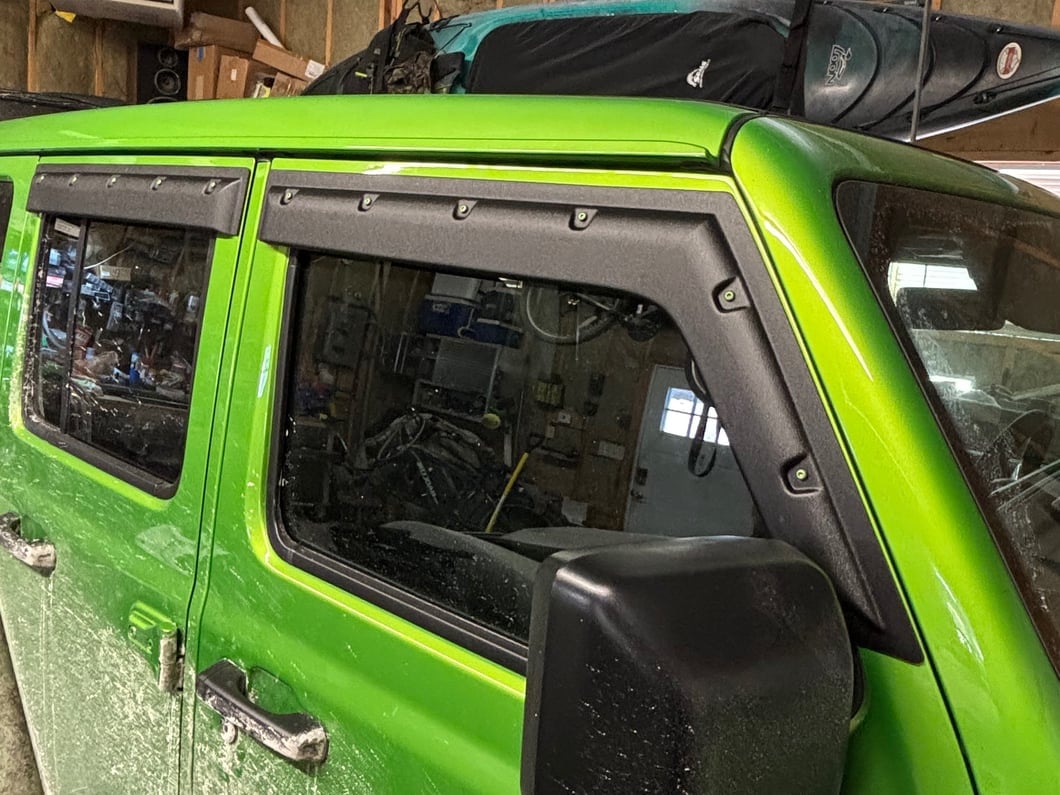
Wind deflectors redirect airflow up and over your soft top instead of letting it slam directly into the fabric and seams. They are one of the easiest upgrades you can install and make a noticeable difference on the highway.
In-channel window deflectors fit inside the window frame and create a small gap that vents cabin air pressure without allowing a direct path for wind noise. They work especially well on Wranglers because the flat windshield and boxy shape create a lot of turbulence around the A-pillars.
What should you look for when shopping?
- JL Wrangler (2018–2026): In-channel deflectors designed for the JL's slightly reshaped window channels. Four-piece kits cover front and rear windows on four-door models.
- JK Wrangler (2007–2018): In-channel or stick-on deflectors. The JK's flatter door glass benefits from deflectors that extend slightly above the window line.
- Hood deflectors: A hood-mounted bug deflector improves aerodynamics at the front of the vehicle, which reduces the overall wind pressure hitting your soft top at speed.
Browse Jeep Wrangler bug deflectors and window visors to find options by your specific year and door count.
Add Sound Deadening and Insulation
Sound deadening materials absorb vibration and block road noise from entering the cabin through the floor, wheel wells, and doors. On a soft top Wrangler — where the roof offers almost no acoustic barrier — insulating the rest of the cabin makes a dramatic difference in overall noise levels.
Sound Deadening Mats (Floors, Tub, Doors)
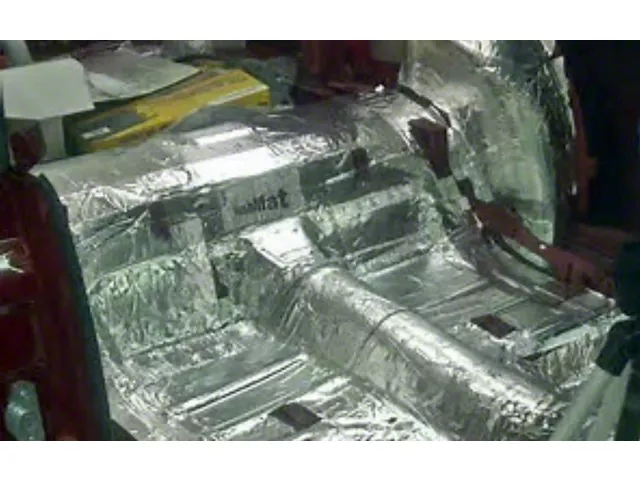
Butyl-based sound deadening mats are the gold standard for reducing road drone in Jeeps. Brands like Dynamat, Hushmat, and B-Quiet Vcomp use a heavy, flexible butyl rubber layer bonded to an aluminum constraint layer. You peel, stick, and roll them onto bare metal surfaces.
Where should you apply them for the biggest impact?
- Floor pans: The single most effective location. Pull your carpet or floor liners and cover as much bare metal as possible.
- Wheel wells: Road noise enters heavily through the rear wheel wells on Wranglers. Adding mats here cuts tire roar significantly.
- Doors: Even with good seals, doors transmit a lot of vibration. A layer of deadening mat on the inner door skin tightens up the whole cabin.
- Tailgate: The tailgate is a large, thin panel that resonates at speed. Treating it is quick and effective.
Check out Hushmat sound deadening products for kits sized specifically for Wrangler tubs and door panels.
Soft Top Headliners and Insulation
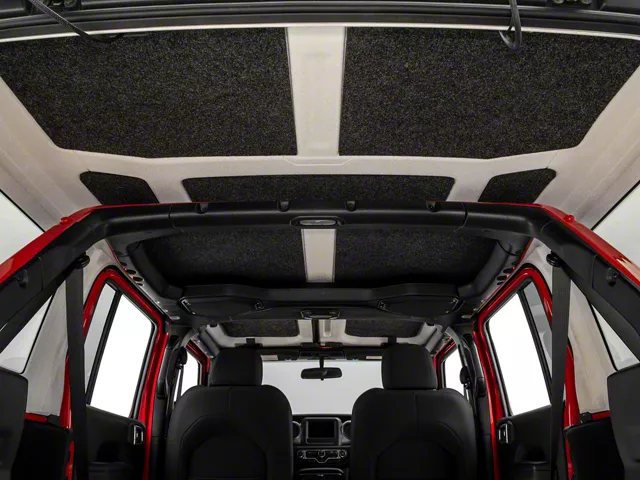
An aftermarket headliner installs between your soft top fabric and the cabin interior. It adds a thermal and acoustic barrier that the factory soft top simply doesn't provide. Most headliners use a multi-layer design — a noise-absorbing foam core sandwiched between fabric layers — that cuts wind noise and also helps with temperature control inside the cabin.
Headliners are available for JK, JL, and TJ Wranglers, and they install with hook-and-loop fasteners along the roof bows. No drilling, no permanent modification.
Browse Jeep Wrangler headliners and aftermarket headliner options to find the right fit for your generation.
Seal Gaps and Replace Weatherstripping
Replacing worn weatherstripping and sealing air gaps is often the cheapest and most immediate way to reduce wind noise in a Jeep Wrangler. Even small gaps create a pressure differential that pulls outside air into the cabin at speed, producing that sharp whistling sound.
Door Seals
Factory door seals compress and crack over time, especially on rigs that see trail dust, mud, and UV exposure. A full door seal kit replaces the rubber weatherstripping around the entire door perimeter. After installation, you should notice tighter door closure, less wind noise, and better weather protection during rain.
Look for generation-specific kits — JK and JL door openings are different shapes, and TJ seals use a different mounting channel. Shop Jeep Wrangler door parts and accessories to match your year and model.
Freedom Panel and Header Seals (JK/JL)
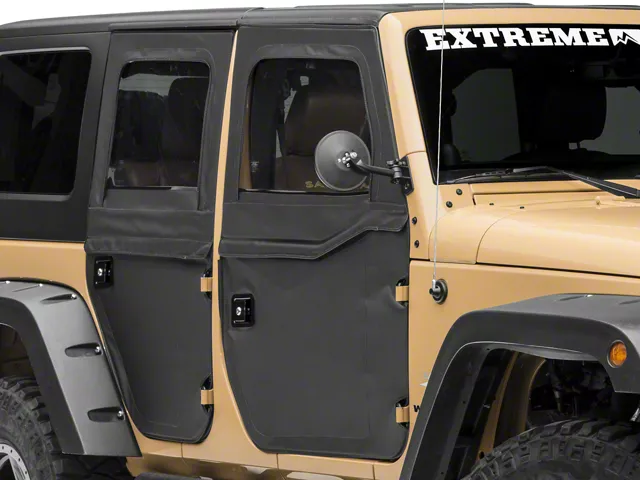
If you drive a JK or JL with removable freedom panels, check the seals where those panels meet the windshield header and the front edge of the soft top. These seals take a beating from repeated removal and reinstallation, and they are one of the most common sources of air leaks on newer Wranglers.
You have two approaches:
- DIY foam tape method: Closed-cell foam weatherstripping tape applied along the freedom panel contact points can fill small gaps quickly and cheaply. It's a solid temporary fix.
- OEM replacement seals: For a permanent solution, replace the factory gaskets entirely. OEM-spec seals restore the original fit and hold up longer than generic foam tape.
Replace Your Soft Top
Sometimes the most effective noise reduction upgrade is a brand-new soft top. If your current top has visible UV damage, tears, stretched fabric, or seams pulling away from the frame, no amount of deadening or sealing will fully solve the problem.
How do you know it's time to replace rather than repair?
- The fabric has faded significantly or feels stiff and brittle.
- You can see light through thin spots or pinholes when parked in the sun.
- Zippers skip teeth or won't fully close.
- The top no longer seats tightly against the header bar even after adjusting the latches.
- Window panels have yellowed, hazed, or cracked.
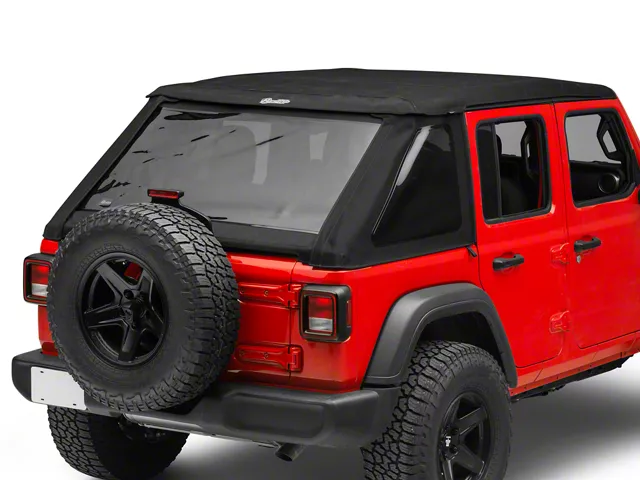
When shopping for a replacement, look at the fabric weight and construction. Premium tops from brands like Bestop use heavier, multi-layer fabrics that inherently block more wind and road noise than thinner budget options. A quality replacement top can transform the highway experience in your Wrangler.
Start your search at Jeep Wrangler soft top accessories, and read the Jeep Wrangler soft top buying guide for a detailed comparison of materials, styles, and fitment by generation.
Model-Year Noise Reduction Notes
Every Wrangler generation has its own soft top design quirks. Knowing what's common for your model year helps you zero in on the right fix faster.
JL Wrangler (2018–2026)
The JL's soft top design is the most refined Jeep has built, with improved seal channels and a more aerodynamic profile. But JL owners still report significant highway noise, and the most common complaint is air leaking at the freedom panel seals. If you drive a JL and hear whistling near the front of the roof, inspect those gaskets first. A headliner is also a high-impact upgrade for JL models since the factory top has no built-in insulation layer.
JK Wrangler (2007–2018)
Header bar rattle is the number-one noise complaint on JK Wranglers. The latches that secure the soft top to the windshield frame can loosen over time, allowing the top to vibrate against the header. Adjusting or replacing the header bar latches is a quick fix. Beyond that, JK owners benefit heavily from sound deadening mats and aftermarket headliners because the JK tub has large flat metal panels that resonate at speed.
TJ Wrangler (1997–2006)
The TJ uses a simpler soft top design with fewer seal points than the JK or JL, which means fewer places for air leaks — but the materials are also older and more likely to have degraded. If you're running the original top on a TJ, replacement is usually the best first move. Sound deadening the floor and wheel wells makes a big difference on TJs because the shorter wheelbase puts you closer to tire noise.
YJ Wrangler (1987–1995)
The YJ is the oldest Wrangler generation, and most YJ soft tops in service today have seen decades of UV exposure. If your YJ top is original or more than a few years old, a full replacement is likely the single best noise reduction upgrade. Pair it with new door seals and sound deadening mats on the floor pan to bring the cabin noise down to a much more comfortable level.
Ford Bronco Soft Top Noise Reduction
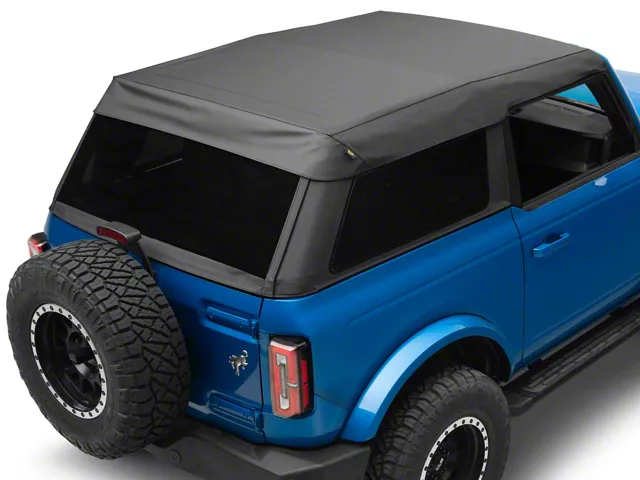
The same noise reduction principles that work on Wranglers apply directly to the Ford Bronco's soft top. Deflectors, sound deadening, seal inspection, and top replacement all reduce cabin noise on the Bronco.
Bronco soft tops use a different frame and seal system than Wranglers, so you'll need Bronco-specific parts. The Bronco's modular roof panels create seal points similar to the Wrangler's freedom panels — check those gaskets first if you hear whistling near the roofline.
Sound deadening mats and headliners designed for the Bronco's tub dimensions are available and install the same way as Wrangler kits. Wind deflectors sized for the Bronco's window channels redirect airflow and reduce the turbulence that hits the soft top at speed.
Browse Ford Bronco soft tops for replacement tops and accessories designed specifically for the Bronco platform.
Ready to quiet down your ride? Explore the full lineup of soft top accessories and noise reduction products to find the right combination of upgrades for your Wrangler or Bronco. From sound deadening kits to replacement tops, the right parts make highway driving with a soft top a completely different experience. And if you want personalized recommendations for your specific build, our Sales Tech team builds and drives the same rigs you do — real advice from real enthusiasts.
Frequently Asked Questions About Soft Top Noise Reduction
These are the most common questions Jeep and Bronco owners ask about reducing soft top wind and road noise.
How Do I Make My Soft Top Jeep Quieter?
Start by diagnosing the noise source — flapping fabric, whistling air leaks, or road drone. Then apply targeted fixes: wind deflectors redirect airflow, sound deadening mats reduce road noise through floors and doors, new weatherstripping seals gaps at doors and freedom panels, and a replacement top eliminates noise from degraded fabric.
Are Jeep Soft Tops Noisy?
Yes, Jeep soft tops are inherently louder than hardtops because flexible fabric vibrates with wind pressure and provides minimal sound insulation. However, aftermarket upgrades like headliners, sound deadening mats, wind deflectors, and fresh weatherstripping can reduce cabin noise significantly — many owners report noticeably quieter highway driving after a full treatment.
How Do You Reduce Road Noise in a Jeep?
Apply butyl-based sound deadening mats to floor pans, wheel wells, doors, and the tailgate. These mats absorb vibration from the drivetrain and tires before it reaches the cabin. Pair them with an aftermarket headliner and fresh door seals for the biggest overall reduction in road noise on both soft top and hardtop Wranglers.
How Do You Make a Convertible Quieter?
Convertible noise reduction follows three steps: seal all gaps where air enters the cabin using weatherstripping or foam tape, install sound deadening material on the floor and door panels to reduce road drone, and add a headliner or insulation layer beneath the soft top to block wind noise from above. These upgrades work on Jeep Wranglers, Ford Broncos, and other soft top vehicles.
Does Sound Deadening Work on a Jeep Wrangler Soft Top?
Sound deadening is highly effective on Wrangler soft tops. While it cannot block wind noise through the top fabric itself, it dramatically reduces road and tire noise that enters through the tub, floor pans, and doors. Owners who treat the full tub with butyl mats and add an aftermarket headliner consistently report that highway driving becomes far more comfortable.
What Is the Best Sound Deadening Material for a Jeep?
Butyl-based mats from Dynamat, Hushmat, or B-Quiet Vcomp are the most effective options for Jeep Wranglers. Look for mats with an aluminum constraint layer bonded to heavy butyl rubber — they peel and stick directly onto bare metal. Hushmat offers kits pre-cut for specific Wrangler tub and door dimensions, which simplifies installation.
Do Wind Deflectors Reduce Soft Top Noise?
Wind deflectors reduce soft top noise by redirecting airflow up and over the vehicle instead of letting it slam into the flat windshield and soft top fabric. In-channel window deflectors are the most popular option for Wranglers. They won't eliminate all noise, but they noticeably reduce wind buffeting and turbulence at highway speeds.
How Do You Fix Jeep Soft Top Flapping Noise?
Soft top flapping is usually caused by loose header bar latches, worn zipper tracks, or fabric that has stretched over time. First, tighten all latches and ensure the header bar seats flush against the windshield frame. If zippers skip teeth, lubricate them with silicone spray. If the fabric has stretched beyond adjustment, replacing the soft top is the permanent fix.