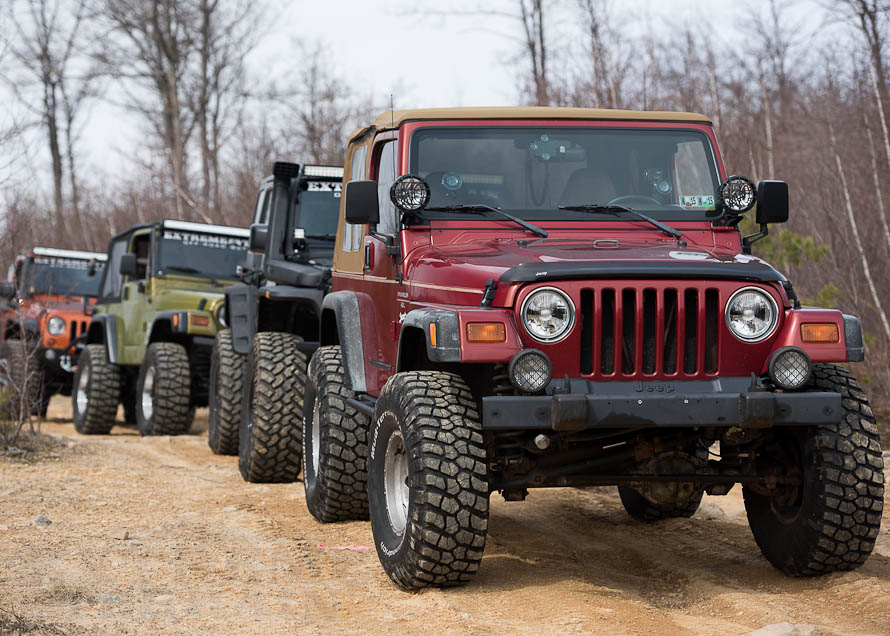
Choosing the right Jeep Wrangler lift kit is one of the biggest decisions you will make for your build. The wrong lift wastes money. The right one transforms your rig — bigger tires, better clearance, and a stance that actually matches how you drive. But with dozens of brands, multiple lift types, and heights ranging from two inches to six-plus, where do you start?
This guide breaks it all down. You will learn how to pick the right lift height for your goals, understand the real differences between suspension and body lifts, compare the top brands side by side, and get straight answers on installation, MPG impact, cost, and the dreaded death wobble. Whether you are building a weekend trail rig or just want to clear 35s for your daily driver, this is everything you need to make a confident decision.
How to Choose the Right Lift Kit for Your Jeep Wrangler
Before you spend a dollar on parts, answer four questions. Get these right and the rest of the build falls into place.
Step 1: Define Your Use Case
What are you actually going to do with your Wrangler? Your answer drives every other decision:
- Daily driving with a lifted look: A 2 to 2.5-inch lift handles this perfectly. You get a more aggressive stance, room for slightly larger tires, and you keep the stock driveline happy.
- Light to moderate trail use: A 3 to 3.5-inch lift gives you real ground clearance and fits 35-inch tires on most Wranglers. This is where most enthusiasts land.
- Serious rock crawling or competition: 4.5 inches and above. You are committing to supporting mods, regearing, and probably an extended brake line kit. But the capability gain is massive.
Not sure where you fall? Think about the trails you want to run in the next year. If the answer is "mostly highway with the occasional fire road," you do not need a 6-inch lift. If you are already eyeing Moab or the Rubicon Trail, do not shortchange yourself with a spacer lift.
Step 2: Choose Your Target Tire Size
Lift height and tire size go hand in hand. Most people lifting their Wrangler want to fit bigger <a href="../../wrangler-jeep-wheels-tires.html" target="_blank">wheels and tires</a>. Here is the quick version:
- 33-inch tires: 2 to 2.5-inch lift (minimal trimming on most models)
- 35-inch tires: 2.5 to 3.5-inch lift (the sweet spot for most builds)
- 37-inch tires: 3.5 to 4.5-inch lift (fender trimming and regearing likely required)
- 40-inch tires and up: 5 to 6-inch lift (full build commitment — long arms, one-ton axles, and heavy fabrication)
Step 3: Set Your Budget Realistically
A lift kit is never just a lift kit. Factor in tires, wheels, alignment, and at least a few supporting mods. A $400 spacer lift with $2,000 in new tires is a $2,400 project. A $2,500 suspension lift with regearing, new driveshafts, and 37s can hit $6,000 or more before labor. Build your budget around the total project, not just the kit price.
Step 4: Match Kit Type to Your Goals
Once you know your use case, tire size, and budget, the kit type practically picks itself. Budget-conscious daily drivers lean toward spacer or body lifts. Trail builders go with coil spring suspension lifts. Serious crawlers invest in long-arm systems for maximum articulation and control. We will break all of these down in the sections that follow.
What Is a Good Lift Height for a Jeep Wrangler?
For most Jeep Wrangler owners, a 2.5-inch suspension lift is the best all-around choice. It fits 35-inch tires on JK and JL models without requiring major drivetrain changes, maintains a comfortable on-road ride, and provides enough ground clearance for moderate trails. If you plan to run 37-inch tires or tackle serious rock crawling, step up to a 3.5 or 4.5-inch kit.
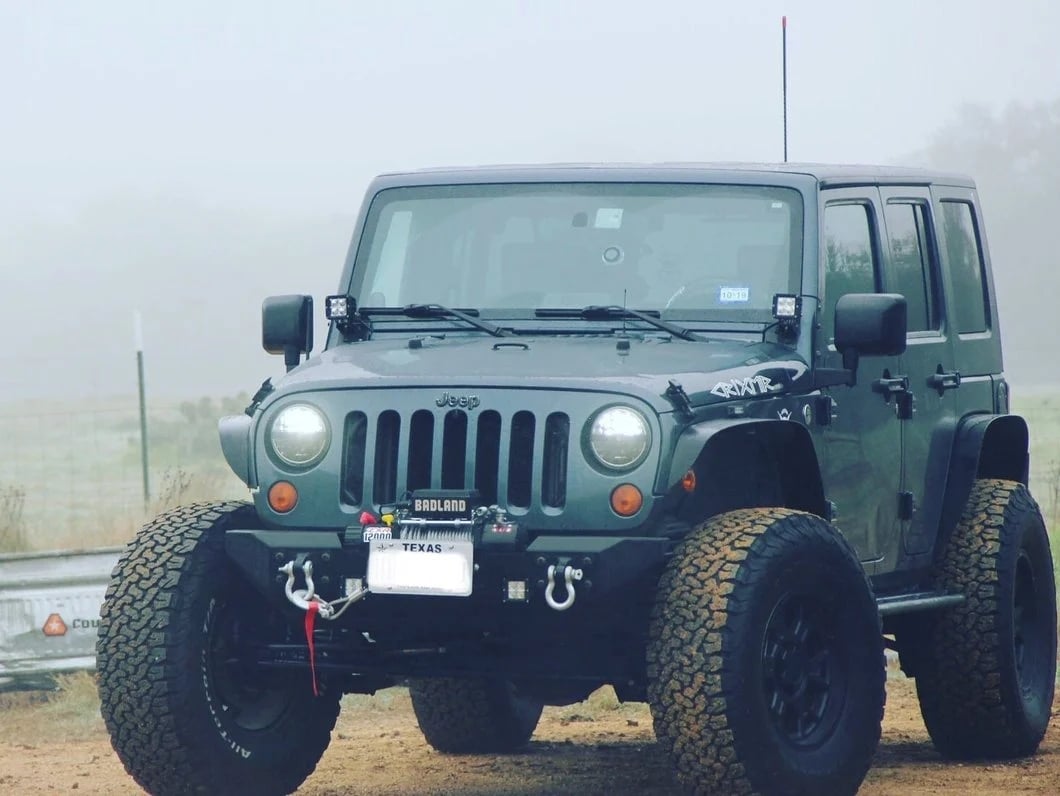
Jeep Lift Kit Heights Explained: 2.5" vs. 3.5" vs. 4.5" vs. 6"
Lift height is not just about looks. Each range unlocks different tire sizes, requires different supporting mods, and changes how your Wrangler handles on and off the road. Here is what you are actually getting at each height.
1 to 2.5-Inch Lift
This is where most Wrangler owners start, and a lot of them stay right here. A 1 to 2.5-inch lift kit is the least invasive way to gain clearance and fit bigger rubber.
- Tire fitment: Comfortably fits 33-inch tires. A 2.5-inch lift on a JL Rubicon can squeeze 35s with minor trimming.
- Mods needed: Minimal. You may need new bump stops and a brake line extension on some models. Stock driveshafts, gears, and control arms usually work fine.
- Ideal for: Daily drivers who want a better stance, light trail use, and a build that does not snowball into a $5,000 project.
- Ride quality: With a quality coil spring kit, ride quality stays very close to stock — or even improves if your factory springs are worn.
If you are torn between a lift kit vs. leveling kit, know that a leveling kit only raises the front to match the rear rake. A 2.5-inch lift raises the entire vehicle evenly and gives you real off-road clearance gains.
3 to 3.5-Inch Lift
This is the enthusiast sweet spot. A 3 to 3.75-inch lift kit opens the door to 35-inch tires on most Wranglers and puts you in serious trail territory.
- Tire fitment: 35-inch tires fit well. Some builds push 37s at this height with fender trimming and the right backspacing.
- Mods needed: Adjustable control arms are strongly recommended to correct caster and pinion angles. Extended brake lines are required. You may need a rear track bar bracket or adjustable track bar.
- Ideal for: Weekend trail rigs, overland builds, and anyone who wants genuine off-road capability without going full race build.
- Ride quality: Slightly firmer than stock on-road, but a good shock package (Fox, Bilstein, or Rancho) keeps things comfortable for daily driving.
4 to 4.5-Inch Lift
Now you are building a dedicated off-road machine. A 4 to 4.5-inch lift kit gets 37-inch tires under your fenders and dramatically changes what your Wrangler can do on rocks and rough terrain.
- Tire fitment: 37-inch tires fit comfortably. Some builders run 38s or 39s with high-clearance fenders.
- Mods needed: Adjustable control arms (front and rear), extended brake lines, a slip-yoke eliminator (SYE) or CV driveshaft, regearing to 4.56 or 4.88, and possibly aftermarket axle shafts. Fender trimming or flat fender flares are common.
- Ideal for: Dedicated trail rigs that still see some highway miles. Rock crawling, Moab-style terrain, and competition-adjacent builds.
- Ride quality: Noticeably different from stock. Long-arm kits at this height ride better than short-arm setups, but expect some compromise on the highway.
5 to 6-Inch Lift (and Beyond)
This is full commitment. A 5 to 6-inch lift is for purpose-built trail machines, competition crawlers, and show rigs. Everything changes at this height.
- Tire fitment: 37 to 40-inch tires. Some extreme builds clear 42s.
- Mods needed: Everything listed above, plus: long-arm suspension system, heavy-duty steering components, possible one-ton axle swap, upgraded brakes, relocated coil spring mounts, and aftermarket bumpers to clear oversized tires. This is a full custom build.
- Ideal for: Hardcore rock crawlers, competition vehicles, and experienced builders who want the ultimate in articulation and clearance.
- Ride quality: A well-tuned long-arm system can ride surprisingly well, but most rigs at this height prioritize off-road performance over highway comfort.
Not sure which height range is right for your rig? Start by deciding what tires you want to run. That single choice narrows your lift options faster than anything else.
Suspension Lift vs. Body Lift: Which Is Right for You?
This is the question that trips up most first-time builders. Suspension lifts and body lifts both raise your Wrangler, but they do it in completely different ways — and the performance differences are significant.
How a Suspension Lift Works
A suspension lift replaces or adds to your Wrangler's suspension components — springs, shocks, control arms, and sometimes the entire linkage geometry. The frame, body, and axles all move apart. You gain real ground clearance under the axles, better approach and departure angles, and room for significantly larger tires.
Suspension lifts range from simple coil spring spacers (which sit on top of your stock springs) to complete kits with new coils, performance shocks, adjustable control arms, track bars, brake line extensions, and sway bar disconnects. The more comprehensive the kit, the better it rides and performs — and the higher the price tag.
How a Body Lift Works
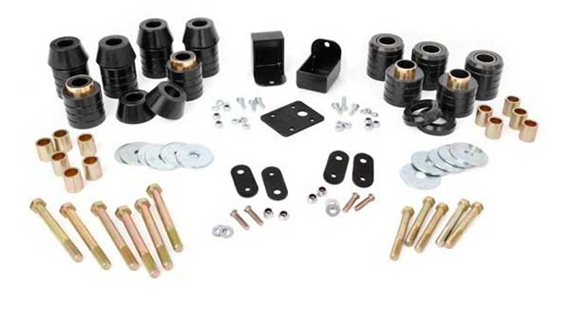
A body lift uses polyurethane or aluminum spacers between the body and the frame. The body goes up; the frame stays put. Your axles, suspension geometry, and ground clearance do not change at all. What you gain is room between the fenders and tires, which lets you fit larger rubber without changing your suspension.
Body lifts are typically limited to 1 to 3 inches. They are less expensive, simpler to install, and do not affect ride quality. The trade-off is that you get zero improvement in suspension travel, ground clearance under the frame, or off-road articulation.

Suspension Lift vs. Body Lift Comparison
|
Feature
|
Suspension Lift
|
Body Lift
|
|
Ground Clearance Gain
|
Yes — raises frame and axles relative to ground
|
No — frame height stays the same
|
|
Tire Clearance
|
Significant increase
|
Moderate increase (fender gap only)
|
|
Ride Quality Impact
|
Can improve with quality shocks and springs
|
No change (stock suspension retained)
|
|
Off-Road Capability
|
Major improvement in articulation and clearance
|
No change in capability
|
|
Typical Height Range
|
2 to 6+ inches
|
1 to 3 inches
|
|
Price Range
|
$800 to $6,000+
|
$100 to $400
|
|
Install Difficulty
|
Moderate to advanced
|
Beginner to moderate
|
|
Additional Mods Needed
|
Often requires control arms, brake lines, driveshaft
|
May need bumper brackets, steering shaft extension
|
When to Choose Each Type
Choose a suspension lift if: You want real off-road performance gains, plan to run 35-inch or larger tires, and are willing to invest in the supporting mods to do it right. If you are going to hit trails, a suspension lift is the only option that actually improves your vehicle's capability.
Choose a body lift if: You want a more aggressive look on a tight budget, need just enough room for slightly larger tires, and are not planning to push your Wrangler hard off-road. Some builders combine a 1-inch body lift with a 2.5-inch suspension lift to maximize tire clearance without going to a taller suspension setup.
Best Jeep Lift Kit Brands Compared
Not all lift kits are created equal. So which brand actually fits your budget and build goals? The brand you choose affects ride quality, durability, included hardware, and how much you spend on supporting mods down the road. Here are five brands that consistently show up in Wrangler builds, each serving a different type of builder.
Rough Country
Price range: $300 to $2,500
Best known for: Affordable, complete lift kits with everything in the box
Ideal for: Budget-conscious builders and first-time lifters
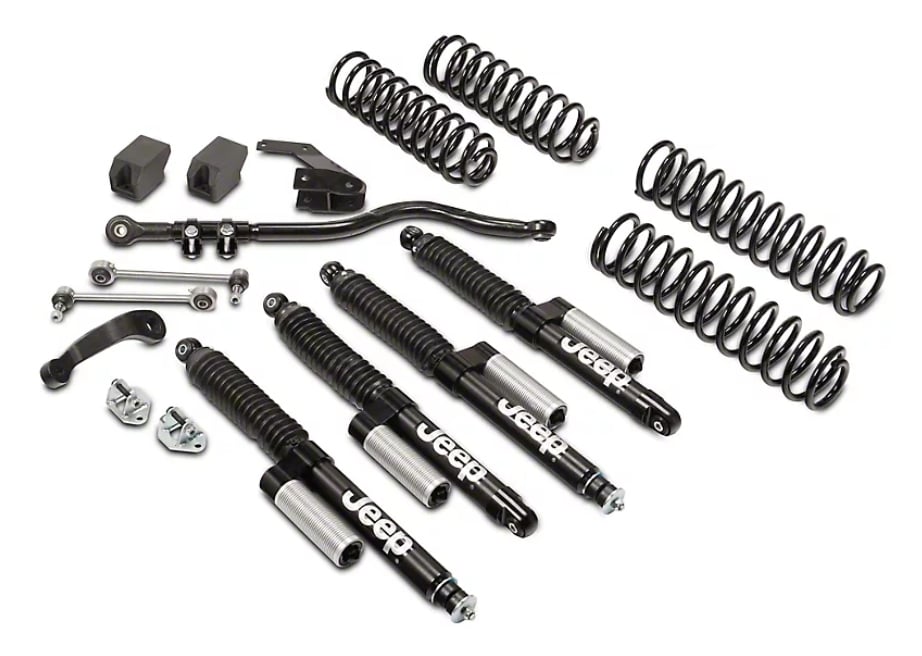
Rough Country is one of the most popular lift kit brands for a reason — they offer aggressive pricing and their kits typically include shocks, hardware, and detailed instructions. Their N3 shock packages are solid for the price, and their kits cover everything from 2-inch spacer lifts to 6-inch long-arm systems. If you want to lift your Wrangler without breaking the bank, Rough Country is a strong starting point.
Teraflex
Price range: $800 to $5,000+
Best known for: Premium ride quality and innovative suspension geometry
Ideal for: Enthusiasts who want the best on-road/off-road balance
Teraflex is widely regarded as the gold standard for Jeep suspension systems. Their kits use higher-quality components, and their engineering focuses on maintaining proper suspension geometry at lifted heights. The ST2, ST3, and Alpine series kits are purpose-built for specific driving styles. You pay more upfront, but Teraflex kits tend to require fewer additional parts to ride well and perform on the trail.
Rubicon Express
Price range: $600 to $4,000+
Best known for: Trail-tested durability and midrange value
Ideal for: Builders who want proven off-road performance without top-shelf pricing
Rubicon Express has been in the Jeep suspension game for decades. Their Super-Flex and Extreme-Duty systems are staples in the JK and TJ communities. RE kits lean toward off-road performance — stiffer spring rates, heavy-duty mounts, and robust control arms. If your Wrangler spends more time on the trail than on the highway, Rubicon Express is worth a hard look.
Skyjacker
Price range: $400 to $3,000
Best known for: One of the original lift kit manufacturers with a wide product range
Ideal for: Builders who want a range of options from budget to mid-tier
Skyjacker has been making lift kits since 1974. They offer everything from basic spacer lifts to complete suspension systems with their Hydro 7000 and Black MAX shock lines. Skyjacker kits tend to fall in the middle of the price spectrum and offer solid all-around performance. They are a reliable choice for builders who want a known name without paying for the premium tier.
Old Man Emu (OME)
Price range: $1,000 to $3,500
Best known for: Ride quality that rivals or beats factory suspension
Ideal for: Overland builds, daily drivers, and anyone who prioritizes ride comfort
Old Man Emu is the suspension division of ARB, and their Jeep kits are engineered in Australia where long-distance off-road travel is a way of life. OME kits use progressive-rate coil springs and Nitrocharger Sport shocks that deliver a ride quality most owners describe as "better than stock." If your Wrangler is an overlander, a tow rig, or a daily driver that occasionally hits the trail, OME delivers a ride that keeps you comfortable over hundreds of miles.
How to Install a Jeep Lift Kit
Can you install a lift kit in your garage? It depends on the kit height and your experience level. Here is a realistic breakdown.
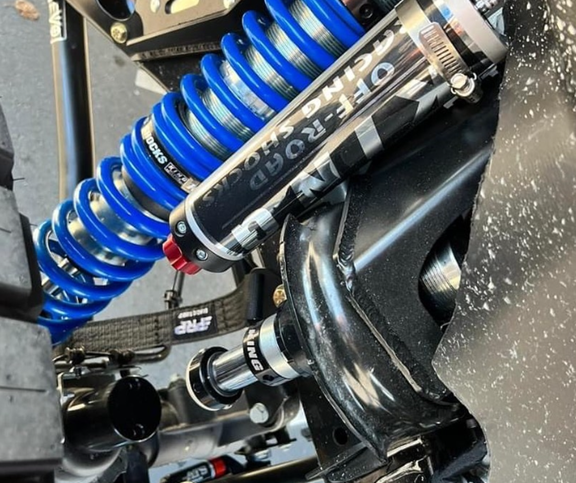
Tools You Will Need
- Floor jack and jack stands (minimum 3-ton rated)
- Socket set (metric and SAE, deep and shallow)
- Torque wrench
- Spring compressor (for some kits)
- Breaker bar
- Penetrating oil (PB Blaster or equivalent)
- Pry bar
- Ratchet straps
- Basic hand tools (wrenches, pliers, screwdrivers)
Difficulty by Lift Height
- Body lift (1-3 inches): Beginner-friendly. Four to six hours. Remove body bolts, add spacers, extend bumper brackets and steering shaft if needed.
- Spacer lift (2-2.5 inches): Beginner to intermediate. Four to eight hours. Add spacers on top of stock coil springs and swap shocks if included.
- Coil spring suspension lift (2.5-4.5 inches): Intermediate. Eight to twelve hours. Replace springs, shocks, and often control arms. Adjust caster. Extend brake lines.
- Long-arm suspension lift (4-6+ inches): Advanced. Twelve to twenty or more hours. Complete suspension disassembly and replacement. Driveshaft work. Significant fabrication on some kits.
Condensed Installation Steps
- Measure: Document your stock ride height at each corner before you start. This gives you a reference point for alignment later.
- Remove: Support the frame on jack stands. Remove wheels, then disconnect shocks, sway bar links, brake lines, and track bar. Lower the axle carefully to decompress the coil springs. Remove stock springs.
- Install: Install new coil springs (with any included isolators or spacers). Install new shocks, extended brake lines, and any included control arms or track bar brackets. Reconnect sway bar links.
- Lower: Carefully lower the vehicle off jack stands with the new suspension compressed under load. Install wheels and hand-tighten lugs.
- Align: Get a professional alignment immediately. Lifting changes caster, camber, and toe angles. Driving without an alignment after lifting will chew through tires and can affect handling safety.
For a more detailed look at what professional installation runs, check out our full breakdown on lift kit installation cost.
Do Jeep Lift Kits Affect MPG?
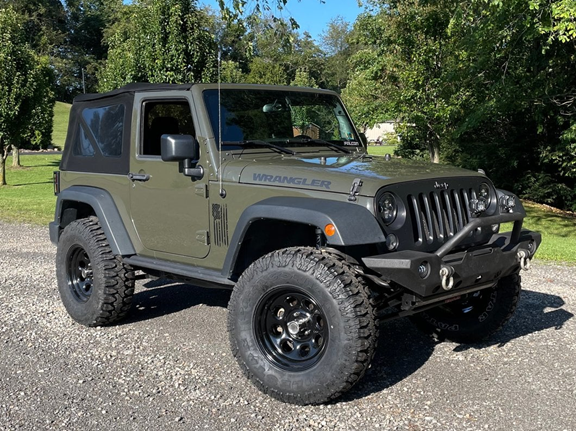
Will lifting your Wrangler hurt your gas mileage? Yes. Expect a 15 to 20 percent increase in fuel consumption after lifting your Wrangler. That is the honest answer most people do not want to hear — but you need to budget for it.
Why Lifting Hurts Fuel Economy
It is not just the lift. Several factors stack up:
- Larger tires: Heavier, wider tires increase rolling resistance. A set of 35-inch mud-terrain tires can weigh 20 to 30 pounds more per corner than stock tires. That is 80 to 120 pounds of extra rotating mass your engine has to move.
- Reduced aerodynamics: A lifted Wrangler pushes more air. The Wrangler already has the aerodynamic profile of a brick — lifting it makes that worse. At highway speeds, this is where most of your MPG loss comes from.
- Heavier components: Aftermarket bumpers, skid plates, roof racks, and winches all add weight. Every 100 pounds of additional weight reduces fuel economy by roughly 1 to 2 percent.
- Changed gear ratios: Larger tires effectively change your final drive ratio, making the engine work harder at any given speed. Regearing to 4.56 or 4.88 ratios restores driveability but does not fully recover lost MPG.
How to Minimize MPG Loss
- Choose the right tire: All-terrain tires have less rolling resistance than mud-terrain tires and are quieter on the highway. If you are not crawling every weekend, an all-terrain is the smarter daily tire.
- Lift only as high as you need: A 2.5-inch lift with 33s will hit your fuel economy less than a 4.5-inch lift with 37s. Match your lift to your actual use case.
- Regear: Regearing brings your RPMs back in line, which helps the engine run more efficiently under load. It does not erase the MPG penalty, but it reduces it noticeably.
- Adjust your driving style: Keep speed reasonable on the highway. Aerodynamic drag increases exponentially with speed — 65 MPH is significantly more efficient than 75 MPH on a lifted Wrangler.
The bottom line: if you are lifting your Wrangler, build the fuel cost into your budget. If you are getting 20 MPG stock, plan on 16 to 17 MPG after a moderate lift with 35-inch tires. On a 4.5-inch lift with 37s, you might see 14 to 15 MPG on the highway.
How Much Does It Cost to Lift a Jeep?
How much should you actually budget for your lift project? Your total cost depends on three things: the type of lift kit, whether you install it yourself or pay a shop, and how many supporting mods you need. Here is a realistic breakdown.
Lift Kit Cost by Type
- Spacer/leveling lift (1-2.5 inches): $100 to $400 for the kit. Minimal supporting mods needed. This is the entry point for budget builds.
- Body lift (1-3 inches): $100 to $400 for the kit. May need bumper brackets and steering shaft extensions ($50 to $150 additional).
- Coil spring suspension lift (2.5-4.5 inches): $800 to $3,000 for the kit. Higher-end kits from Teraflex and OME sit at the top of this range and include better shocks and hardware.
- Long-arm suspension system (4-6+ inches): $3,000 to $6,000+ for the kit. These are complete systems with new control arms, mounts, coils, shocks, and hardware.
Installation Costs
If you are not wrenching it yourself, professional installation typically runs:
- Spacer or body lift: $200 to $500
- Coil spring suspension lift: $500 to $1,200
- Long-arm system: $1,200 to $2,500+
These numbers vary by shop, region, and whether the installer finds surprises (like seized bolts or worn bushings that need replacing). Always get a written quote before you drop your Wrangler off.
Supporting Mod Costs
This is where the real budget creep happens. Depending on your lift height, expect to add:
- Tires and wheels: $1,200 to $3,000+ for a set of five (always carry a full-size spare)
- Alignment: $100 to $200
- Adjustable control arms: $400 to $1,200
- Extended brake lines: $50 to $200
- Regearing: $1,500 to $2,500 for front and rear axles (labor-intensive)
- Driveshaft upgrade or SYE: $300 to $800
- Fender flares or trimming: $100 to $600
Total Build Estimates
- Budget daily driver build (2.5-inch lift, 33s): $1,500 to $3,000 total
- Mid-range trail build (3.5-inch lift, 35s): $4,000 to $7,000 total
- Serious off-road build (4.5-inch lift, 37s): $7,000 to $12,000+ total
- Full competition/crawler build (6-inch lift, 40s): $15,000+ total
The number one mistake builders make is budgeting for the kit and forgetting about everything else. Be honest about the total cost from the start and you will build a better rig with fewer compromises.
Troubleshooting Suspension Wobble and Death Wobble in Lifted Jeeps
Are you experiencing a violent steering shake at highway speeds? If you have ever experienced death wobble, you know it is terrifying. The steering wheel shakes violently, the whole front end oscillates, and your instinct is to slam the brakes — which usually makes it worse. Here is what you need to know.
What Death Wobble Actually Is
Death wobble is a rapid, uncontrolled oscillation of the front axle and steering components. It is triggered by a bump or road imperfection at speed and feeds on itself until you slow down enough to break the cycle. It is most common in solid front axle vehicles like the Wrangler, and lifting your Jeep can increase the risk if components are worn or improperly installed.
Common Causes in Lifted Jeeps
- Worn or loose track bar: This is the number one cause. The track bar locates your front axle side-to-side. If the bolts are loose or the bushings are worn, the axle can shift under load and trigger wobble.
- Worn tie rod ends: Play in the tie rod ends allows the steering linkage to oscillate instead of holding position.
- Unbalanced or worn tires: Out-of-balance tires at highway speed can initiate the oscillation. Larger, heavier tires amplify this effect.
- Improperly installed lift: If caster angle is not corrected after lifting, the front axle geometry becomes unstable at speed.
- Worn ball joints: Upper and lower ball joints with play allow the knuckle to move unpredictably.
- Loose wheel bearings: Even slight play in wheel bearings can contribute to front-end instability.
How to Prevent Death Wobble
- Inspect your track bar first. Grab the bar and try to move it by hand. Any play means it needs new bushings or replacement. Upgrade to a heavy-duty adjustable track bar after lifting.
- Check all steering components. Tie rod ends, drag link, and ball joints should have zero play. Replace anything that moves when it should not.
- Get a proper alignment. Correct caster angle is critical. Most lifted Wranglers need 4 to 6 degrees of positive caster for stable highway driving.
- Balance your tires. Every time you mount new tires or rotate, rebalance. Consider road force balancing for heavy off-road tires.
- Torque everything to spec. After the first 100 miles on a new lift, retorque every bolt on the suspension. Components settle and fasteners can loosen.
Do You Need a Steering Stabilizer?
A steering stabilizer dampens vibration and can mask minor play in worn components, but it is not a fix for death wobble. Think of it as a shock absorber for your steering — it smooths out feedback and reduces kickback on rough terrain. If your steering components are tight and properly aligned, a quality stabilizer is a worthwhile upgrade for ride comfort. If you are experiencing wobble, fix the root cause first, then add a stabilizer. Check out JL steering stabilizers for options that fit your build.
Supporting Mods You'll Need After Lifting Your Jeep
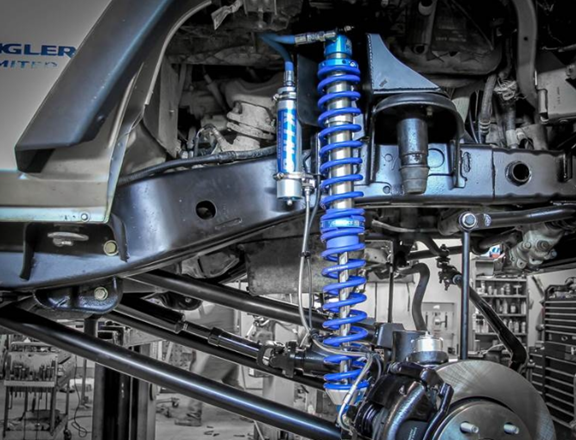
Do you know which supporting mods your lift height requires? A lift kit is just the starting point. Depending on how high you go, your Wrangler will need additional parts to ride safely, perform well, and pass inspection. Here is what to plan for, organized by lift height.
For All Lift Heights (2 Inches and Up)
- Alignment: Required after every lift install. No exceptions.
- Bump stops: Stock bump stops may be too short after lifting. Extended bump stops prevent your suspension from over-compressing and damaging components.
- Tire pressure monitoring system (TPMS) reset: If you change wheel and tire size, your TPMS needs recalibration.
For 2.5 to 3.5-Inch Lifts
- Extended brake lines: Stock brake lines can stretch or bind at full droop. Stainless steel extended brake lines are inexpensive insurance against brake line failure.
- Adjustable track bar: Corrects axle centering after the lift changes the track bar angle.
- Adjustable front control arms: Lets you correct caster angle, which affects steering stability and return-to-center.
- Sway bar disconnects: If not included in your kit, aftermarket quick-disconnect sway bar links let you disconnect on the trail for better articulation and reconnect for highway driving.
For 3.5 to 4.5-Inch Lifts
Everything above, plus:
- Rear adjustable control arms: Corrects rear pinion angle, which affects driveshaft vibration and U-joint life.
- Slip-yoke eliminator (SYE) or CV driveshaft: At this lift height, the rear driveshaft angle becomes too steep for the stock slip yoke. An SYE or CV-style driveshaft eliminates vibration and prevents premature U-joint failure.
- Regearing: With 35-inch or larger tires, regearing to 4.56 or 4.88 ratios restores lost low-end power and improves transmission shift points.
- Fender flares or fender trimming: Required for tire clearance at full lock and full compression on most builds.
For 5-Inch Lifts and Higher
Everything above, plus:
- Long-arm control arm conversion: Stock-length control arms create steep angles at extreme lift heights, reducing articulation and ride quality. Long arms improve both.
- High-steer or crossover steering conversion: Relocates steering above the axle for more clearance and better geometry.
- Upgraded axle shafts: Larger tires and aggressive off-road use put more stress on axle shafts. Chromoly upgrades prevent breakage.
- Aftermarket front and rear driveshafts: Custom-length driveshafts with heavy-duty U-joints or CV joints are essential at this height.
- Upgraded brakes: Larger rotors and calipers help stop the added weight and larger tire diameter. Stock brakes are marginal with 37-inch or larger tires.
The rule of thumb: for every inch of lift above 2.5, expect the supporting mod list (and cost) to grow significantly. Plan for these parts in your initial budget so you are not scrambling after the lift is already installed.
Jeep Wrangler Lift and Tire Size Charts
What tires will actually fit your Wrangler at your planned lift height? These charts show the maximum tire size you can fit at each lift height by Wrangler model. Keep in mind that tire fitment can vary depending on wheel backspacing, fender flare style, and whether you are willing to trim. These are conservative, reliable fitment guides — not "it fits if you hammer the fender" recommendations.
JK Wrangler (2007-2018) — 2-Door
|
Lift Height
|
Max Tire Size
|
Additional Mods Needed
|
|
Stock
|
32"
|
None
|
|
2 - 2.5"
|
33 - 35"
|
Bump stops, possible minor fender trimming for 35s
|
|
3 - 3.5"
|
35 - 37"
|
Control arms, extended brake lines, track bar, fender flares for 37s
|
|
4 - 4.5"
|
37 - 38"
|
Control arms, SYE/CV driveshaft, regearing, fender modification
|
|
5 - 6"
|
38 - 40"
|
Long arms, regearing, driveshafts, high-steer, upgraded axles
|
JK Wrangler (2007-2018) — 4-Door Unlimited
|
Lift Height
|
Max Tire Size
|
Additional Mods Needed
|
|
Stock
|
32"
|
None
|
|
2 - 2.5"
|
33 - 35"
|
Bump stops, minor trimming possible for 35s
|
|
3 - 3.5"
|
35 - 37"
|
Control arms, extended brake lines, track bar, fender modification for 37s
|
|
4 - 4.5"
|
37 - 39"
|
Control arms, SYE/CV driveshaft, regearing, flat fenders or heavy trimming
|
|
5 - 6"
|
39 - 42"
|
Long arms, regearing, custom driveshafts, axle upgrades, high-steer
|
JL Wrangler (2018-Present) — Standard
|
Lift Height
|
Max Tire Size
|
Additional Mods Needed
|
|
Stock
|
33"
|
None
|
|
2 - 2.5"
|
35"
|
Bump stops, minor fender trimming on some models
|
|
3 - 3.5"
|
35 - 37"
|
Control arms, brake lines, track bar, fender flares or trimming for 37s
|
|
4 - 4.5"
|
37 - 38"
|
Control arms, driveshaft, regearing, fender modification
|
|
5 - 6"
|
38 - 40"
|
Long arms, regearing, custom driveshafts, upgraded axles, high-steer
|
JL Wrangler Rubicon (2018-Present)
|
Lift Height
|
Max Tire Size
|
Additional Mods Needed
|
|
Stock
|
33 - 35"
|
35s fit with minor trimming thanks to factory Rubicon suspension and fender clearance
|
|
2 - 2.5"
|
35 - 37"
|
Bump stops, fender trimming for 37s (less trimming needed than non-Rubicon)
|
|
3 - 3.5"
|
37 - 38"
|
Control arms, brake lines, fender flares or trimming
|
|
4 - 4.5"
|
38 - 40"
|
Control arms, driveshaft, regearing to 4.88 (factory 4.10 helps), fender modification
|
|
5 - 6"
|
40 - 42"
|
Long arms, regearing, custom driveshafts, upgraded axles, high-steer
|
Looking for lift kits for a specific generation? Browse JL Wrangler lift kits or JK Wrangler lift kits to see what is available for your model year.
The right lift kit turns your Wrangler from a capable stock vehicle into a rig that matches exactly how you want to drive — whether that is cruising back roads on 33s or crawling Moab on 37s. Start with your tire goals, pick the lift height that gets you there, and budget for the full build from the beginning.
Ready to find the right kit for your Wrangler? Explore ExtremeTerrain's full collection of Jeep Wrangler lift kits — backed by real enthusiasts who build and drive the same rigs you do.
Frequently Asked Questions About Jeep Wrangler Lift Kits
Choosing and installing a lift kit raises plenty of questions. Here are the most common ones Jeep owners ask before lifting their Wrangler.
What Is a Good Lift Height for a Jeep Wrangler?
A 2.5-inch lift is the most popular choice for daily-driven Wranglers because it fits 35-inch tires without major drivetrain modifications. Choose 3.5 inches for serious trail use with 37-inch tires, or 4.5 to 6 inches if you need maximum ground clearance for rock crawling. Higher lifts require additional upgrades like extended brake lines, adjustable control arms, and new driveshafts.
Is a Jeep Lift Kit Worth It?
Yes, a lift kit is worth it if you plan to drive off-road or want to run larger tires for better trail performance. Even a modest 2.5-inch suspension lift dramatically improves ground clearance, approach angles, and obstacle capability. For Wranglers used strictly on pavement, a leveling kit may be a more cost-effective alternative that still improves stance without changing handling characteristics.
How Much Does It Cost to Lift a Jeep Wrangler?
Budget lift kits with spacers start around $100 to $400, while quality suspension lift kits range from $800 to $3,000 depending on brand and lift height. Professional installation adds $500 to $1,500. A complete build with a 3.5-inch suspension lift, new shocks, control arms, and larger tires typically costs $3,000 to $6,000 total including parts and labor.
Do Jeep Lift Kits Affect Gas Mileage?
Yes, lifting a Jeep typically reduces fuel economy by 15 to 20 percent. The decrease comes from increased aerodynamic drag, heavier wheels and tires, and the added weight of off-road accessories that usually accompany a lift. The biggest impact comes from switching to larger, heavier mud-terrain tires rather than the lift kit itself.
What Is the Jeep Death Wobble?
The death wobble is a violent front-end oscillation that can occur at highway speeds in lifted Jeeps, usually triggered by hitting a bump or pothole. Common causes include a worn track bar, unbalanced tires, loose steering components, or incorrect caster angle settings. Replacing the track bar and having a professional alignment done after installing a lift kit are the most effective preventive steps.
Suspension Lift vs. Body Lift: Which Is Better?
A suspension lift is better for off-road performance because it increases wheel travel, ground clearance, and axle articulation. A body lift only raises the body off the frame using spacers, which allows slightly larger tires but does not improve suspension geometry or trail capability. Body lifts cost less and install faster, making them suitable for appearance upgrades on street-driven Jeeps.
What Size Tires Can I Fit With a 2.5-Inch Lift?
A 2.5-inch suspension lift on a Jeep Wrangler JL or JK typically fits 35-inch tires without rubbing on most configurations. Rubicon models with their factory disconnect sway bars and wider axles may accommodate 35s with even less modification. Running 37-inch tires on a 2.5-inch lift usually requires additional trimming, fender flare upgrades, and wheels with the correct backspacing.
Can I Install a Jeep Lift Kit Myself?
Yes, most 2 to 3-inch suspension lift kits are designed for at-home installation with basic hand tools, a floor jack, and jack stands. Plan for a full day of work with a helper. Larger lifts above 4 inches may require specialized tools, cutting, or welding, and are better suited for experienced mechanics or professional shops. Always follow the manufacturer's torque specifications and get a professional alignment afterward.
Do I Need a Steering Stabilizer After Lifting My Jeep?
A steering stabilizer is not always required, but it is strongly recommended after installing a lift kit of 2.5 inches or more. The stabilizer dampens road vibrations and helps prevent shimmy at highway speeds, especially when running larger, heavier tires. It does not fix underlying steering issues, so ensure your track bar, tie rod ends, and ball joints are in good condition first.