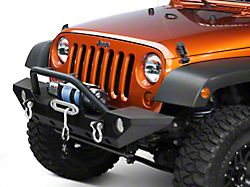
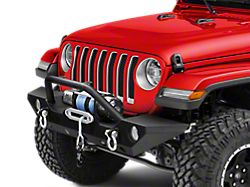
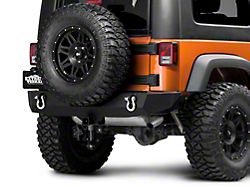
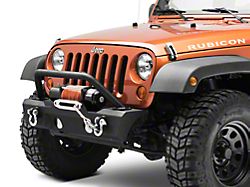
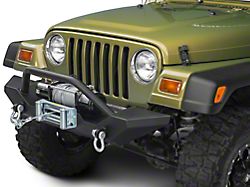
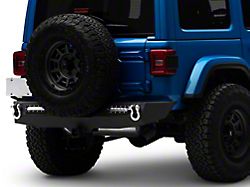
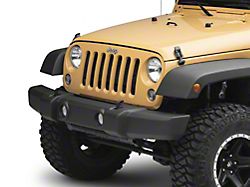
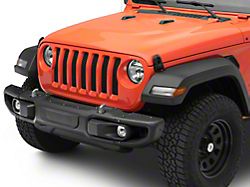
Aftermarket bumpers transform the Toyota Tacoma from capable mid-size truck into purpose-built adventure machine or urban warrior. Whether you're pursuing serious off-road capability with integrated winch mounts and recovery points, seeking to enhance daily-driver aesthetics with modern styling, or requiring maximum protection for work truck duties, the right bumper serves as the foundation for your build. Modern Tacoma bumpers address diverse priorities: approach angle improvement for rock crawling, aerodynamic consideration for highway efficiency, weight optimization to maintain handling dynamics, and integration capability for auxiliary lighting and accessories. Our bumper collection spans material choices from lightweight aluminum to bulletproof steel, finish options from textured powder coat to bare metal, and designs from subtle factory-plus styling to aggressive pre-runner configurations. Each option represents proven performance from manufacturers who understand the Tacoma platform's specific mounting requirements and capability envelope.
To streamline your selection process, we've categorized our Toyota Tacoma bumpers across essential specifications:
Bumper Material
- Steel - Engineered from heavy-gauge steel, these bumpers provide maximum impact resistance and protection for critical front-end components. Steel construction withstands repeated trail impacts, brush contact, and the occasional parking mishap while supporting winch loads up to 12,000 pounds. The material's inherent strength allows for integrated recovery points, light mounts, and accessory brackets without compromising structural integrity.
- Aluminum - Combining impressive strength with significant weight savings, aluminum bumpers reduce front-end mass by 40-60 pounds compared to steel alternatives. This reduction improves handling response, reduces suspension wear, and maintains approach angles on lifted vehicles. Modern aluminum alloys resist corrosion naturally and maintain strength in extreme temperatures, making them ideal for coastal and winter climates.
Bumper Finish
- Black - The most popular finish choice, black powder coating or paint delivers timeless aesthetics that complement virtually any vehicle color. Black finishes hide brake dust, mud, and minor trail damage effectively while creating a cohesive appearance with other accessories. The neutral tone allows accent lighting to stand out while maintaining a sophisticated, purposeful look.
- Raw - Showcasing the material's natural character, bare steel or aluminum finishes appeal to builders seeking industrial aesthetics or planning custom finishing. Raw steel requires immediate protection through clear coating or natural patina development, while bare aluminum develops a protective oxide layer. These finishes allow for personalized paint, powder coating, or Cerakote application matching your exact vision.
Bumper Type
- Full Width - Extending the full width of your vehicle, full-width bumpers provide maximum protection for the entire front or rear end while integrating seamlessly with vehicle lines. These designs protect vulnerable corners from trail damage, provide stable winch mounting platforms, and offer generous space for accessory integration including light bars, D-rings, and hi-lift jack points.
- Stubby - Designed for improved approach and departure angles, mid-width bumpers shorten overall length while maintaining central protection and winch mounting capability. The reduced width allows for oversized tires to articulate fully without contact, crucial for serious off-road use. These bumpers strike an ideal balance between protection and clearance for vehicles running 35-inch or larger tires.
Selecting the ideal bumper involves balancing protection needs, weight considerations, accessory integration requirements, and aesthetic preferences. Steel bumpers offer maximum durability and winch capacity but add significant weight. Aluminum provides excellent strength-to-weight ratios ideal for maintaining handling dynamics. Design choices between full-width, mid-width, and pre-runner styles dramatically affect approach angles and tire clearance. Understanding these trade-offs and how they align with your Tacoma's mission—daily driver, weekend warrior, or dedicated trail rig—ensures your bumper investment delivers both immediate satisfaction and long-term value. The questions below address the most common considerations Tacoma owners face when upgrading bumpers.
Frequently Asked Questions
1. Should I choose steel or aluminum bumpers for my Tacoma?
Material selection represents a fundamental decision that affects weight, strength, durability, cost, and maintenance. Steel bumpers provide maximum impact resistance, support the heaviest winches without flexing, and allow welding for customization or repair. However, steel adds 60-120 pounds to your Tacoma's front end, potentially affecting handling and fuel economy. Steel requires quality powder coating or paint to prevent rust, and road salt accelerates corrosion. Aluminum bumpers deliver 80-85% of steel's strength at 40-50% of the weight, dramatically reducing nose weight. This weight savings improves handling response, reduces stress on front suspension components, and helps maintain factory-like ride quality. Aluminum resists corrosion naturally—even scratched surfaces won't rust. However, aluminum costs more initially and can't be welded easily for field repairs. For most Tacoma owners who prioritize handling dynamics, daily drivability, and coastal/winter driving, aluminum represents the best choice. Dedicated rock crawlers or those planning extreme winch recovery operations may prefer steel's maximum strength. Additionally, Aftermarket Tacoma Bumpers: The Pros and Cons of Steel Bumpers provides valuable insights into material selection.
2. What bumper style provides the best approach angle improvement?
Approach angle improvements vary dramatically by design philosophy. Factory Tacoma bumpers limit approach angles to approximately 29-32 degrees depending on year and trim. Mid-width or stubby bumpers dramatically improve approach angles to 35-40+ degrees by shortening overall length and raising the bottom surface. These designs excel for rock crawling where maximizing clearance matters most, and they pair perfectly with 35-inch or larger tires. However, mid-width bumpers sacrifice full-width protection and limit light mounting options. Full-width bumpers maintain protection across the entire front end while still improving approach angles to 32-35 degrees through raised mounting positions and trimmed lower sections. Pre-runner style bumpers with prominent center hoops often provide moderate approach angle gains (33-36 degrees) while prioritizing hoop-mounted auxiliary lighting. For serious rock crawling with large tires, mid-width designs provide maximum clearance. For balanced builds requiring both protection and improved clearance, full-width bumpers with aggressive underbody clearance represent the best compromise. Explore our comprehensive guide Toyota Tacoma Front & Rear Bumper Types for detailed comparisons.
3. How much weight can I safely mount in my Tacoma bumper?
Weight capacity depends on bumper construction, mounting method, and frame strength. Quality Tacoma bumpers typically support winches up to 10,000-12,000 pounds—adequate for the truck's 7,000-8,000 pound curb weight. However, total accessory weight matters significantly. A 100-pound winch, 30 pounds of lights, 15 pounds of D-rings and recovery gear, and 20 pounds of additional accessories totals 165 pounds—this concentrated front-end weight affects handling, suspension wear, and approach angles. Tacoma frames are robust but adding excessive weight causes premature bushing wear and reduced suspension travel. Most manufacturers rate their bumpers for specific winch sizes and provide guidelines for maximum combined accessory weight. As a general rule, keep total bumper and accessory weight under 200 pounds for optimal handling. If you're planning serious winch work with heavy synthetic rope, multiple recovery points, and extensive lighting, invest in bumpers specifically engineered for heavy accessory loads and consider upgrading front springs to compensate for the added weight.
4. Will an aftermarket bumper affect my Tacoma's airbag sensors and safety systems?
Modern Tacomas use sophisticated sensor systems that detect frontal impacts and deploy airbags accordingly. Aftermarket bumpers can potentially affect these systems if improperly designed or installed. Reputable bumper manufacturers engineer their products to maintain proper sensor function—they position mounting points to preserve sensor locations and avoid interfering with sensor sight lines. Some bumpers require sensor relocation or extension harnesses to accommodate thicker bumper designs. During installation, carefully follow manufacturer instructions regarding sensor handling. Never compress, bend, or stress sensor wiring. After installation, many Tacoma owners have dealerships verify proper airbag system function through diagnostic scans—this peace of mind costs $100-150 but confirms your safety systems remain fully functional. Poor-quality bumpers that ignore sensor placement or require improper sensor modification can compromise crash protection. Always choose bumpers from established manufacturers who specifically engineer for Tacoma safety system compatibility and provide clear installation instructions addressing sensor preservation.
5. Do I need to upgrade my Tacoma's suspension when installing a heavy bumper?
Suspension upgrades depend on bumper weight and your tolerance for ride quality changes. Adding 60-80 pounds with an aluminum bumper typically doesn't require suspension modification—the factory suspension handles this modest increase adequately, though you may notice slight front-end settling. Heavy steel bumpers weighing 100-150 pounds often benefit from upgraded front springs or adjustable coilovers. Without suspension upgrades, heavy bumpers cause: front-end sag that reduces approach angles and affects headlight aim, altered handling dynamics with increased understeer, accelerated bushing and shock wear, and slightly degraded ride quality. If you plan additional front-end weight from winches, light bars, and other accessories, factor total combined weight when evaluating suspension needs. Many Tacoma owners installing heavy bumpers and full accessory packages upgrade to medium-duty front springs or add coilovers that maintain ride height while improving damping control. For aluminum bumpers with modest accessory loads, factory suspension usually suffices. For heavy steel bumpers or extensive accessory installations, budget for suspension upgrades to maintain factory handling dynamics and ride quality.