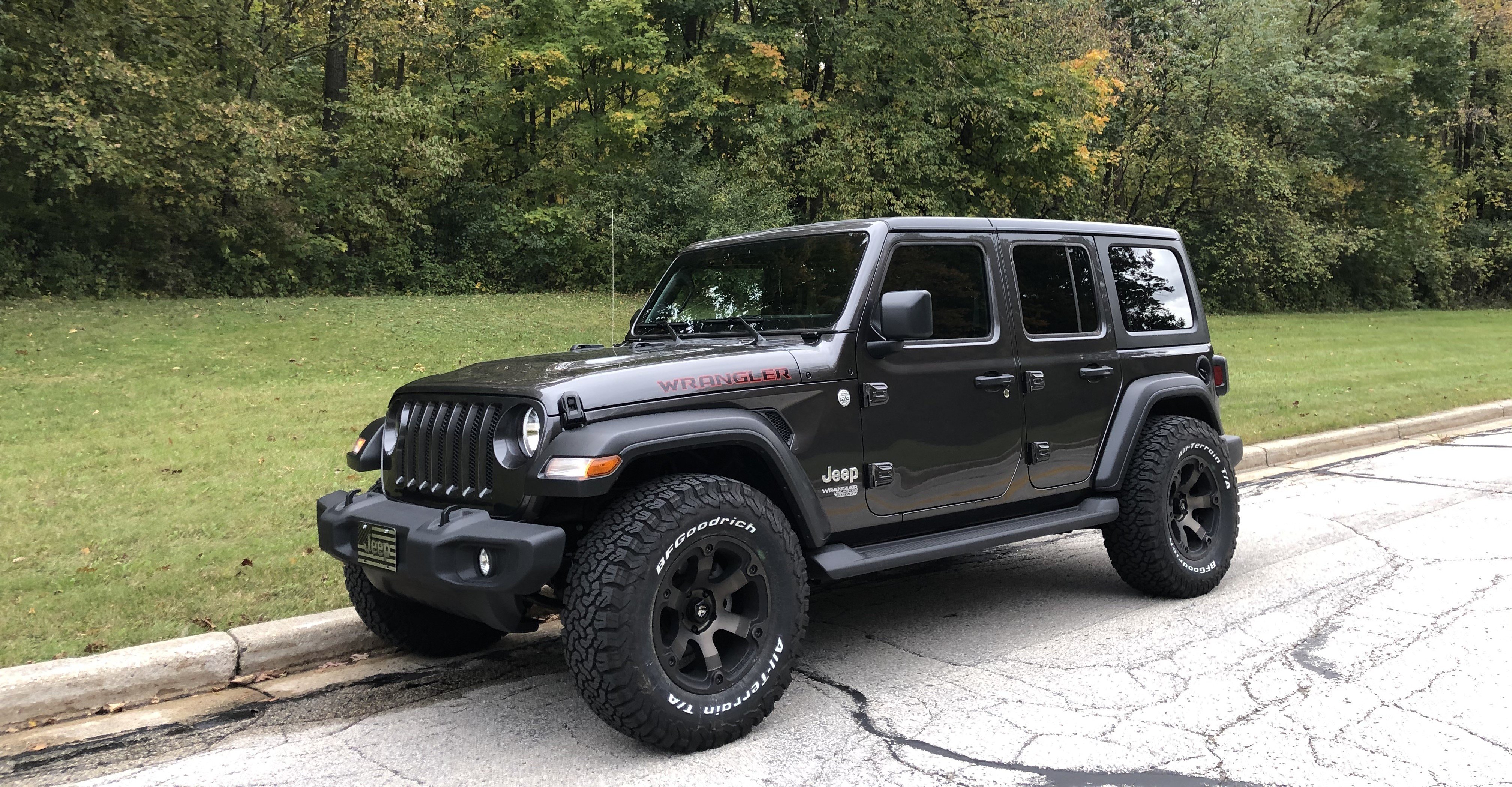
Thinking about installing a set of Jeep JK wheels onto a JL, TJ, or CJ? Jeep owners love mixing and matching parts, and wheels are often at the top of that list. But not every swap is straightforward. While some Jeep wheels will bolt onto other generations with a little creativity (and maybe a spacer or two), there are key fitment differences that can make or break your setup.
Let’s break down what works, what doesn’t, and what you need to know before slapping JK wheels on your other Jeep.
The Basics: JK vs. JL vs. TJ vs. CJ Wheels
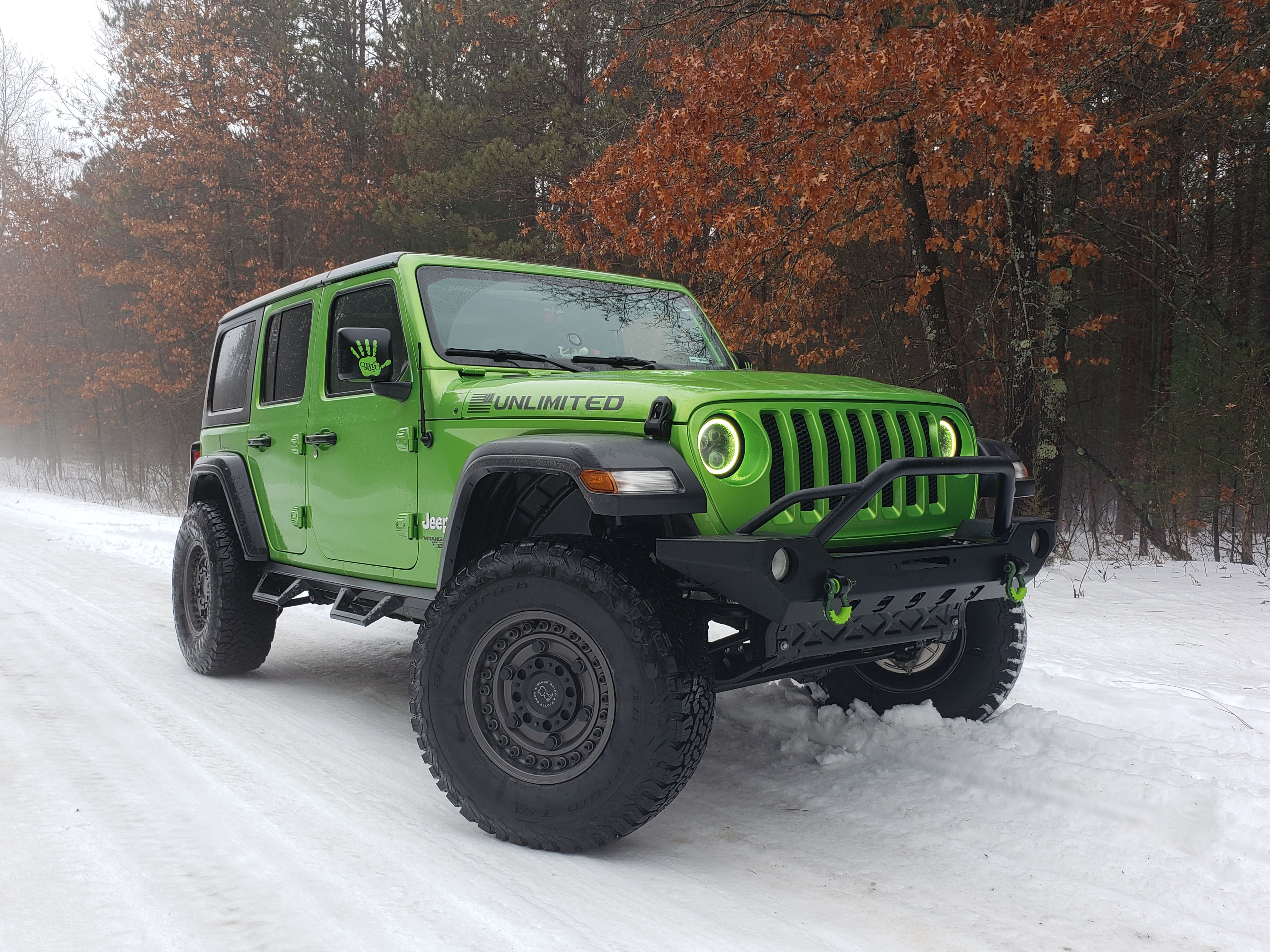
Before getting into whether they’ll fit, let’s talk about what’s actually different. The Jeep Wrangler JK was the first modern Wrangler to use a 5x5 bolt pattern which instantly set it apart from earlier generations. Meanwhile, JL Wranglers (from 2018 to present) kept the 5x5 bolt pattern but changed hub and offset specs. TJ Wranglers (1997 to 2006) and CJs (pre-1987) use a 5x4.5 bolt pattern, meaning JK wheels won’t bolt up without adapters.
So right off the bat, if you’re eyeing a TJ or CJ, you’ll need wheel adapters or spacers to make JK wheels even mount. The bolt holes simply won’t line up otherwise.
But that’s only half the story. Backspacing, offset, and hub bore all play a role in whether those wheels will actually fit right.
JK Wheels on a JL: Close Cousins, but Not Identical
At first glance, it seems like a no-brainer. Both the JK and JL share the same 5x5 bolt pattern, so why wouldn’t they fit? Technically, JK wheels do fit on a JL but not always perfectly.
- JL hubs are slightly larger, so in some cases, JK wheels might not seat perfectly flush without hub-centric rings.
- Also, JL wheels are typically designed with slightly different offset values to clear the JL’s upgraded suspension and brake setup. JK wheels have more backspacing (around 6.25"), which can cause the tires to rub on suspension components or inner fenders when turning.
- Tire Pressure Monitoring Sensors changed between generations, so you may not get accurate readings unless you swap or reprogram sensors.
If you’re running stock JL tires and suspension, JK wheels might look a little “tucked in.” A small wheel spacer, around 1 to 1.5 inches, can help push them out for a cleaner stance and better clearance. Many Jeepers do it, just make sure you’re using quality spacers and torque them properly.
JK Wheels on a TJ or CJ: Time to Break Out the Adapters
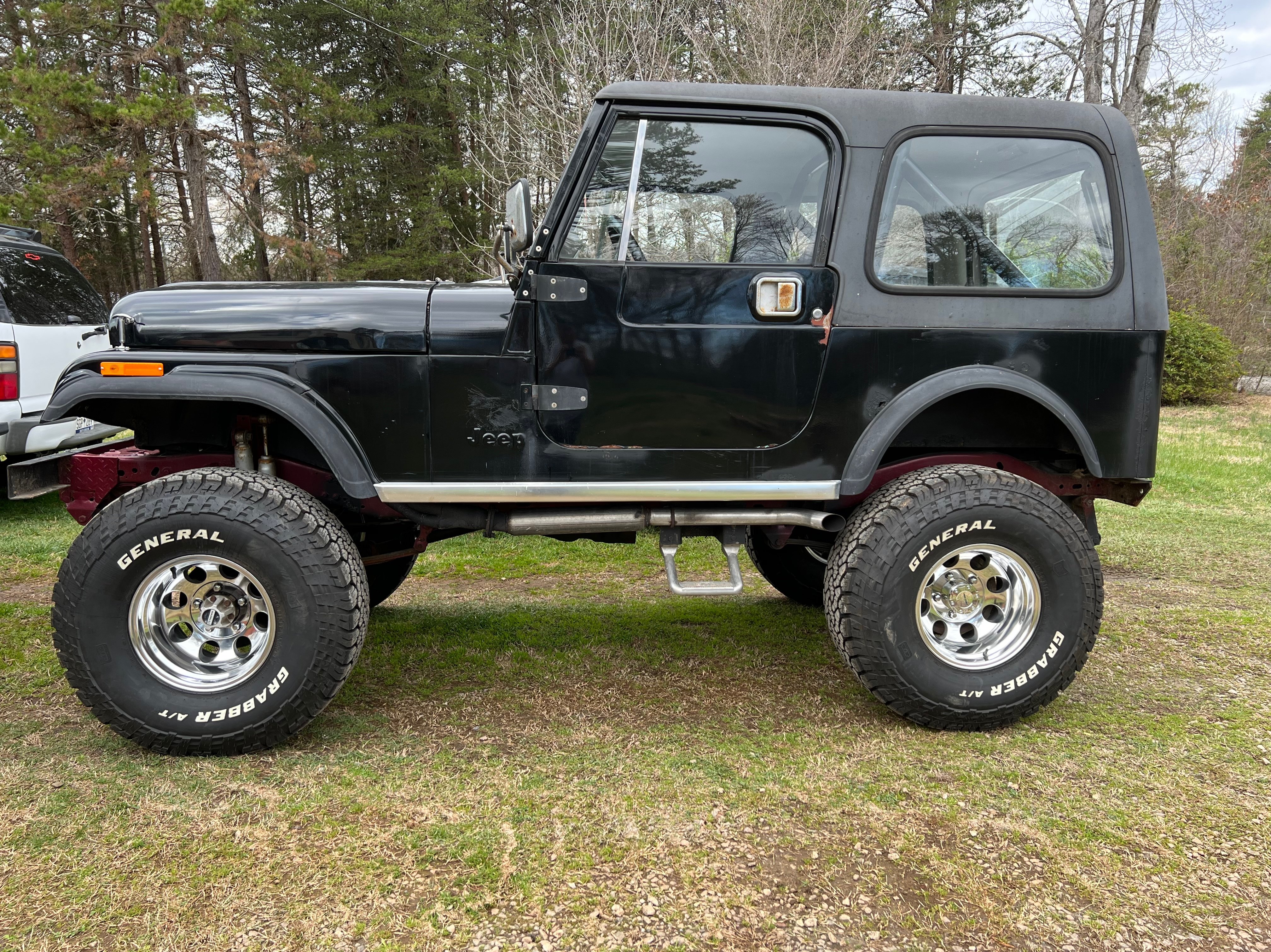
Here’s where it gets trickier. The TJ and CJ generations have the old-school 5x4.5 bolt pattern. JK wheels? 5x5. The math just doesn’t add up.
To make JK wheels fit a TJ or CJ, you’ll need:
- 5x4.5 to 5x5 adapters (usually 1.25 to 1.5-inch thick)
- A careful eye on clearance and fender space
- Possibly longer wheel studs depending on adapter thickness
Once you bolt on adapters, the wheels will technically fit, but the added width from the adapters changes your scrub radius and suspension geometry slightly. That can cause heavier steering or fender rub if you’re running big tires.
You’ll also want to consider: that JK wheels usually have more backspacing, which may cause inner clearance issues on older Jeeps, and brake clearance on older drum brake setups might not play nice with newer wheel designs.
Adapters are fine for off-road rigs and daily drivers alike when installed correctly, but they do introduce one more component that needs to be checked regularly for tightness. So, yes, you can run JK wheels on a TJ or CJ, but you’ll be doing it with adapters and maybe some extra trimming if you’re pushing tire size limits.
What Else to Consider Before a Swap
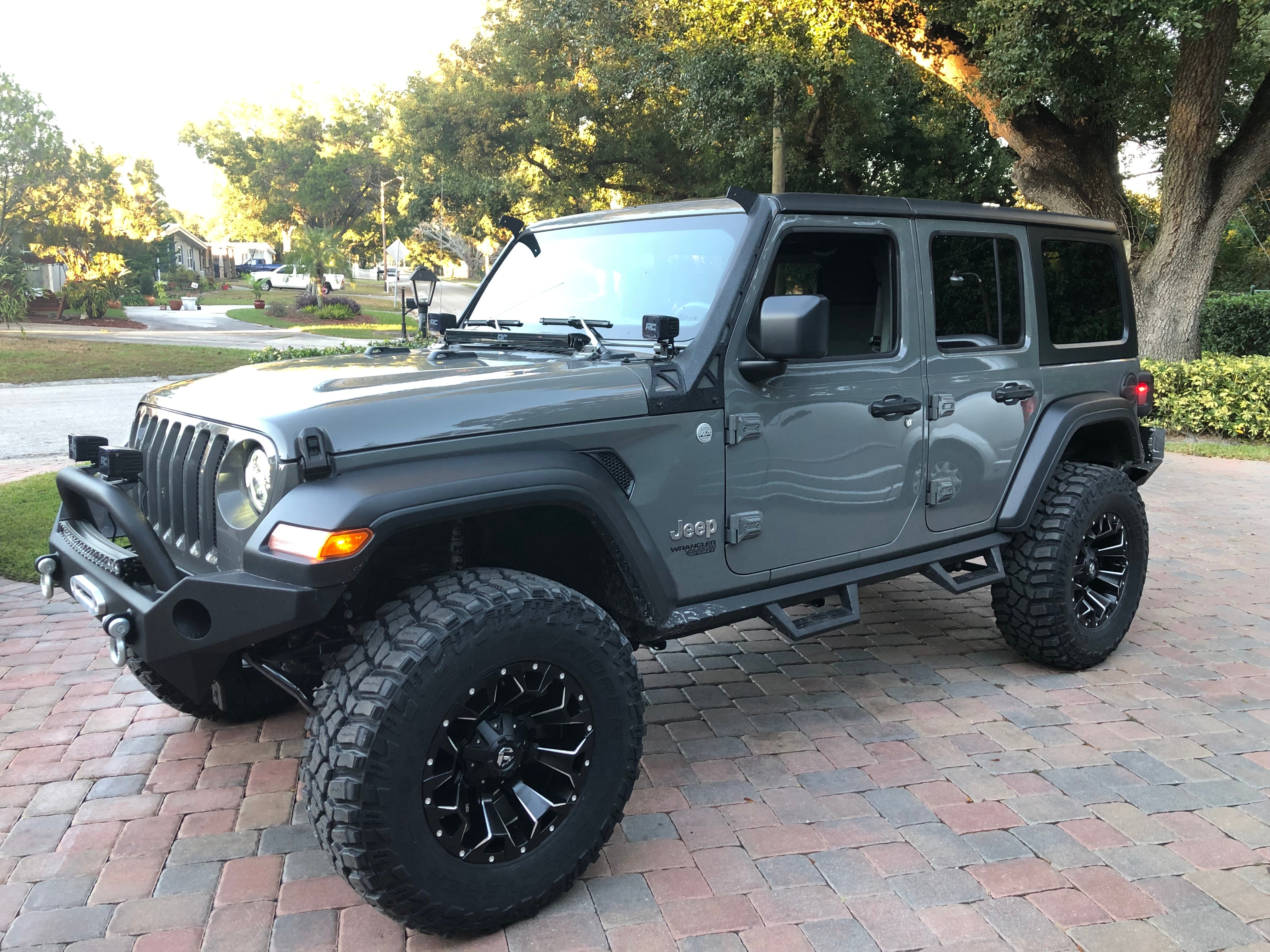
Swapping wheels between Jeep generations requires a careful consideration for fitment, safety, and performance. Here are a few more areas worth considering before you go full DIY:
Tire Size and Suspension Lift
If you’re putting JK wheels on another Jeep, think about Jeep tire size. A set of 33s on a JL might clear fine, but those same tires could rub on a TJ’s stock fenders or control arms. If you’re not running a suspension lift, measure twice and check online fitment charts for your specific combo.
Center Caps and Hub Fit
Center caps from JK wheels don’t always fit perfectly on JL or TJ hubs. Some owners pop them off entirely or switch to aftermarket caps for a cleaner look.
Brake Clearance
The JK’s factory wheels were designed for larger disc brakes than what older Jeeps came with. On a CJ or TJ, there’s less brake clearance needed, but if you’ve upgraded your brakes, check for rubbing on the calipers.
TPMS, Lug Nuts, and Torque Specs
Different Jeeps use different lug nut types and torque specs. When mixing wheels across generations, use the lug nuts that match the wheel style and torque them to the vehicle specs, not the donor vehicle’s.
When It’s Worth Upgrading Instead
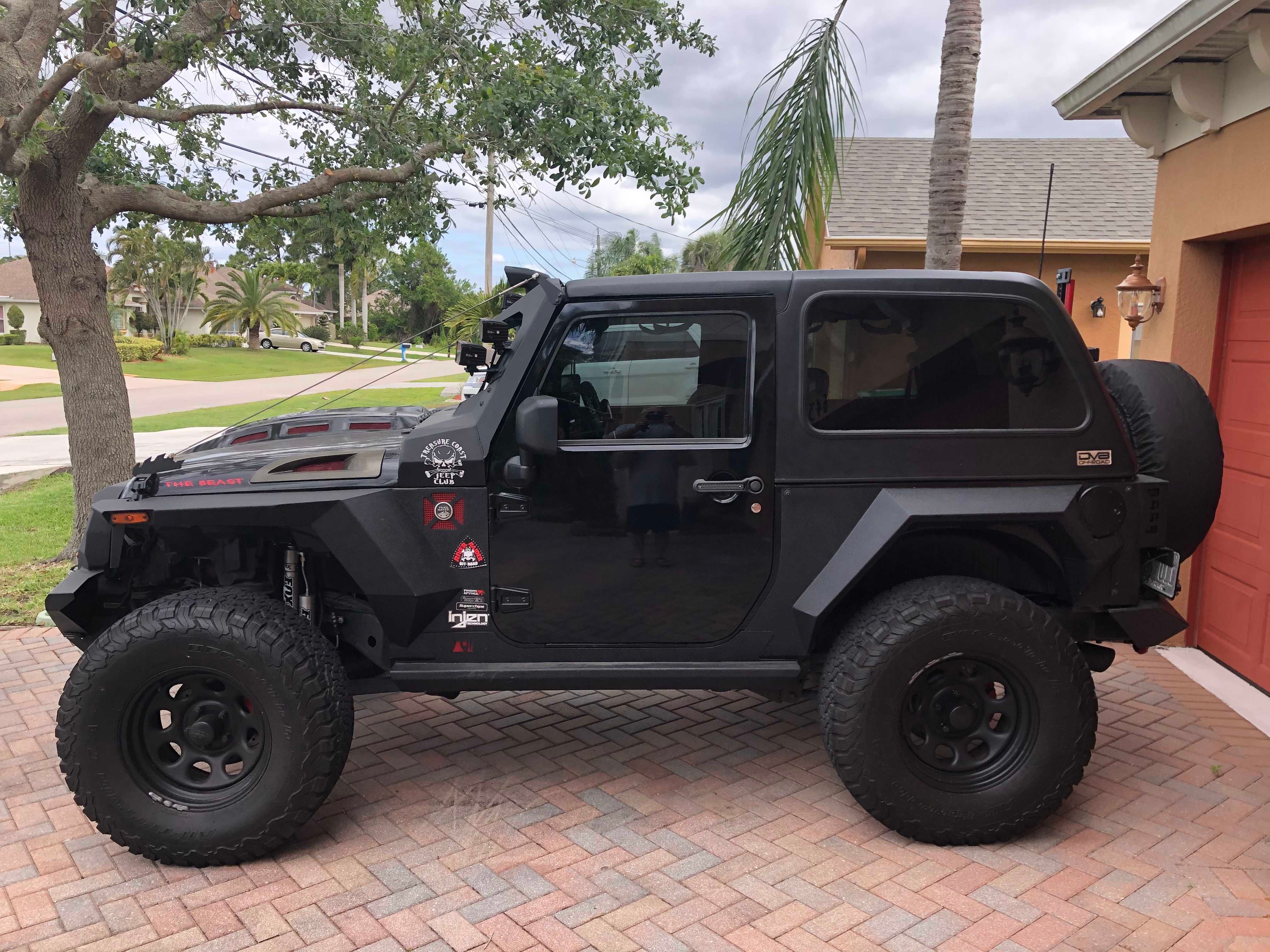
Sometimes, chasing a wheel swap can turn into more hassle than it’s worth. Between adapters, spacers, and recalibrations, it might be easier and safer to upgrade to new wheels made specifically for your Jeep’s generation.
Aftermarket wheels for JL, TJ, and CJ Wranglers ensure you have the correct hub bore and offset, clearance for larger brake kits, and custom finishes and designs that fit your build’s personality. Plus, you can pair them with fresh tires designed for your driving style: mud, rock, snow, or daily grind.
So while it’s fun to experiment, upgrading to wheels designed for your platform can save time, money, and a few headaches down the road.
Ready to Find the Right Wheels for Your Jeep?
So, do JK wheels fit on a JL, TJ, or CJ?
- JL – Yes, mostly direct fit, but might need spacers or hub rings.
- TJ and CJ – Not without adapters.
- Universal fit – Not quite, but with the right hardware, it’s possible.
At the end of the day, Jeep owners have been customizing rigs across generations for decades. Whether you’re swapping for style, off-road performance, or just because you scored a deal on Marketplace, knowing your specs makes all the difference.
No matter your generation of CJ, TJ, JK, or JL, ExtremeTerrain has your back. Explore wheels, tires, and wheel-and-tire packages designed for perfect fitment and rugged style. Whether you’re building a trail monster or a weekend cruiser, find your next upgrade at ExtremeTerrain and hit the road or trail confidently.
Jeep Wheels FAQs
Will Jeep JK wheels fit a JL Wrangler?
Yes, Jeep JK wheels will fit a JL Wrangler because both use a 5x5 bolt pattern. However, due to differences in hub size and offset, you may need hub-centric rings or wheel spacers to ensure proper fitment and avoid rubbing issues.
Can you put JK wheels on a TJ or CJ Jeep?
JK wheels do not directly fit TJ or CJ models because those Jeeps use a 5x4.5 bolt pattern. To make them work, you’ll need 5x4.5 to 5x5 wheel adapters, along with careful attention to clearance and suspension setup.
Do I need spacers when installing JK wheels on a JL?
In many cases, yes. JK wheels typically have more backspacing, which can cause tires to sit too far inward on a JL. Adding 1–1.5 inch spacers can improve clearance, prevent rubbing, and create a more aggressive stance.
What problems can occur when swapping JK wheels onto other Jeeps?
Common issues include improper offset, tire rubbing, hub fitment problems, and TPMS incompatibility. On older models like TJ and CJ, adapters can also affect steering feel and suspension geometry if not installed correctly.
Is it better to buy new wheels instead of swapping JK wheels?
In many cases, yes. Aftermarket wheels designed specifically for your Jeep (JL, TJ, or CJ) ensure proper fitment, correct offset, and better compatibility with brakes and suspension, saving time and reducing potential issues.