

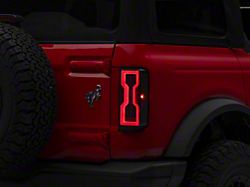

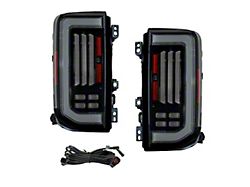
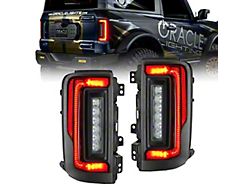

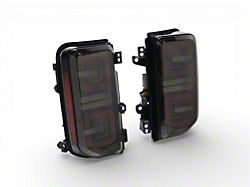
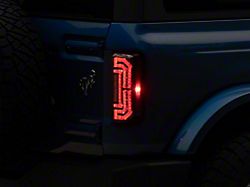
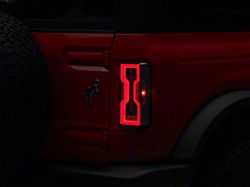


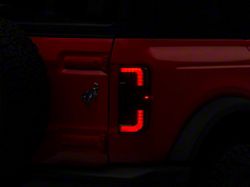

Tail lights serve critical safety functions while dramatically influencing your Tundra's rear-end aesthetics and perceived quality. Factory tail lights perform adequately when new but fade, crack, and yellow with age and UV exposure, diminishing both appearance and visibility. Modern LED tail light assemblies transform rear visibility through dramatically brighter output that gives following drivers earlier warning of your actions, instant illumination providing crucial extra reaction time, and sophisticated multi-element designs that elevate your truck's presence. Beyond safety improvements, upgraded tail lights offer styling opportunities ranging from subtle OEM-plus refreshes to bold custom designs with smoked lenses, sequential animations, and distinctive internal details. For Tundra owners seeking to modernize their truck's appearance, improve safety margins during night driving and adverse weather, or replace aging factory units showing their years, tail light upgrades deliver immediate, noticeable improvements. Our Tundra tail light collection emphasizes direct-fit applications avoiding complex retrofitting while offering diverse aesthetic directions from conservative to aggressive.
We've structured our Toyota Tundra tail lights range by key specification categories for efficient selection:
Tail Light Type- LED - Advanced LED technology transforms rear visibility through dramatically brighter illumination, instantaneous on/off response that gives following drivers extra reaction time, and substantially longer lifespan exceeding 50,000 hours. Modern LED tail lights consume minimal power while delivering distinctive styling through multi-element designs and sequential turn signal animations that enhance both safety and aesthetics.
- Non-LED - Advanced LED technology transforms rear visibility through dramatically brighter illumination, instantaneous on/off response that gives following drivers extra reaction time, and substantially longer lifespan exceeding 50,000 hours. Modern LED tail lights consume minimal power while delivering distinctive styling through multi-element designs and sequential turn signal animations that enhance both safety and aesthetics.
- Red - Traditional red lenses provide classic tail light appearance with enhanced visibility through color filtration that makes brake lights especially prominent. The red tint creates uniform appearance whether lights are illuminated or dark, appealing to owners who prefer conservative, time-tested aesthetics over contemporary clear or smoked alternatives.
- Clear - Unfiltered lens designs allow maximum light transmission for optimal visibility while creating clean, contemporary aesthetics. Clear lenses pair particularly well with LED technology, showcasing the intricate internal elements and creating jewel-like appearance during daytime. They represent the practical choice for owners prioritizing maximum rear visibility and safety.
- Custom Style - Expertly engineered to deliver exceptional performance and lasting value, our custom style options represent thoroughly vetted solutions meeting the exacting standards of enthusiasts who demand both quality and capability in every component.
- OEM Style - Expertly engineered to deliver exceptional performance and lasting value, our oem style options represent thoroughly vetted solutions meeting the exacting standards of enthusiasts who demand both quality and capability in every component.
Tail light selection involves evaluating technology benefits, aesthetic preferences, installation complexity, and long-term value. LED technology provides the most dramatic functional improvements through brightness and instant response, but quality varies enormously across manufacturers. Lens tinting and internal styling create visual impact but potentially affect light output and legal compliance. Understanding these factors and how they align with your priorities—safety, aesthetics, budget, or some combination—guides you toward tail lights delivering lasting satisfaction. The frequently asked questions below help Tundra owners navigate the tail light upgrade process and understand what distinguishes superior products from mediocre alternatives.
Frequently Asked Questions
1. How much brighter are LED tail lights compared to factory halogen bulbs?
LED tail lights provide 3-5 times more light output than factory incandescent bulbs, though the improvement feels even more dramatic due to instant illumination and superior visibility characteristics. Factory halogen tail lights produce approximately 27 lumens per bulb with gradual fade-in as filaments heat up—this delay costs precious reaction time in emergency braking. LED assemblies generate 100-200+ lumens per function with instantaneous full brightness, giving following drivers an extra 15-20 feet of stopping distance at highway speeds due to quicker reaction. The whiter, more focused LED light also cuts through fog, rain, and bright sunlight more effectively than the reddish-orange halogen output. This intensity improvement particularly benefits Tundra owners who tow trailers—the brighter tail lights ensure your truck remains visible even when trailer bulk partially obscures lighting. Additionally, LED tail lights' multiple elements create more distinctive lighting signatures that help following drivers distinguish your vehicle in traffic, reducing rear-end collision risk. For owners frequently driving in poor visibility conditions, towing at night, or simply wanting maximum safety margins, LED tail light upgrades deliver benefits that justify their higher cost over simple halogen bulb replacement.
2. Will smoked tail lights affect my Tundra's visibility or legality?
Smoked lens effects on visibility and legality vary dramatically based on tint darkness and local regulations. "Light smoke" or "slightly smoked" lenses typically reduce light output by 10-20% while maintaining legal compliance in most jurisdictions—quality smoked LED tail lights still produce more light than factory halogen assemblies despite the tinting. However, "dark smoke" or "heavily smoked" lenses can reduce output by 40-60%, potentially falling below legal minimums and definitely compromising safety. Most states require tail lights visible from 500-1,000 feet in daylight, and heavily smoked lenses may not meet this standard. Additionally, some states prohibit any tail light tinting regardless of brightness. Before purchasing smoked tail lights, research your local vehicle code—laws vary significantly. Generally, smoked lenses with LED technology in "light smoke" variants remain both legal and safe, while dark smoke should be reserved for show vehicles or states with permissive regulations. If you regularly drive in fog, rain, or heavy traffic where visibility is crucial, clear lenses provide the best safety margins. For Tundras used primarily in good weather and light traffic where aesthetics take priority, light smoked LED tail lights offer an acceptable compromise between style and function.
3. Do aftermarket Tundra tail lights require any wiring modifications?
Most quality aftermarket Tundra tail lights install completely plug-and-play using factory wiring harnesses and mounting points, requiring no cutting, splicing, or electrical expertise. Manufacturers design connectors matching Toyota's factory harness configurations, and installation typically involves removing factory tail lights (usually 3-4 bolts or plastic clips), unplugging connectors, plugging new assemblies in, and securing with factory hardware. The entire process takes 30-60 minutes with basic hand tools. However, several scenarios require wiring consideration: LED tail lights with sequential turn signals sometimes need additional modules converting the factory three-wire system to the sequential controller's requirements—quality kits include these modules with clear instructions. Some advanced features like dynamic turn signals or integrated backup cameras require tapping additional power sources or signal wires. Tundras with factory LED tail lights have different wiring than halogen-equipped models, so verify compatibility with your specific configuration. If your Tundra has integrated backup sensors or cameras, ensure replacement tail lights accommodate these features or provide alternative mounting solutions. Reading installation guides before purchasing reveals any wiring complexity, and choosing tail lights specifically engineered for your Tundra's generation and trim level typically ensures straightforward installation.
4. How long do LED tail lights typically last compared to factory bulbs?
LED tail lights deliver exponentially longer service life than factory incandescent bulbs—typically 50,000+ hours compared to 1,000-2,000 hours for halogens. This translates to 20-25 years of typical driving before LED failure, essentially making them lifetime components for most owners. The solid-state LED design has no fragile filaments to break from vibration or thermal shock, making them particularly suited to truck applications involving rough roads and trailer towing. LEDs also don't experience the gradual dimming that afflicts incandescent bulbs as filaments degrade—they maintain consistent brightness throughout their service life until sudden failure. Additionally, LED assemblies typically use superior housing materials and sealing compared to economy factory tail lights, providing better protection against moisture intrusion and UV degradation. However, LED lifespan depends heavily on quality—cheap LED assemblies with inadequate heat management or poor-quality diodes fail prematurely, sometimes within 2-3 years. Invest in tail lights from established manufacturers with proven reliability records and warranty coverage (minimum 2-3 years). The higher initial cost of quality LED tail lights is recovered multiple times over through eliminated bulb replacement costs, reduced time spent on bulb changes, and enhanced safety from never driving with burned-out tail lights.
5. Should I upgrade tail lights before or after other truck modifications?
Tail light upgrades work independently of most other modifications and can be completed at any point in your build sequence, though several considerations affect optimal timing. If planning rear bumper replacement, wait on tail lights until after the bumper installation—some aftermarket bumpers affect tail light mounting or clearance, and you don't want to buy tail lights that don't fit your new bumper. Similarly, if considering tonneau covers or bed caps, ensure your chosen tail lights don't interfere with these accessories' operation. For suspension lifts, tail lights aren't affected, so upgrade anytime. Many Tundra owners tackle tail lights early in modification sequences because they provide immediate visual impact with minimal cost and installation complexity—the instant transformation motivates further upgrades. Others wait until completing major modifications, using tail light upgrades as finishing touches that complement the overall aesthetic direction. From practical standpoint, if your factory tail lights are faded, cracked, or have burned-out bulbs, immediate replacement makes sense regardless of other planned modifications. Fresh tail lights improve safety while you plan larger upgrades. If factory tail lights remain functional and clear, you have flexibility to upgrade whenever aesthetics or enhanced brightness become priorities.
Fitment Includes
- 2007, 2008, 2009, 2010, 2011, 2012, 2013, 2014, 2015, 2016, 2017, 2018, 2019, 2020, 2021, 2022, 2023 and 2024 Toyota Tundras
- Base, SR, SR5, Limited, Platinum, 1794 edition, and TRD Pro models
*Please see Tundra parts pages for any exceptions.