


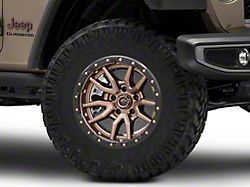


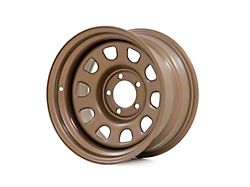
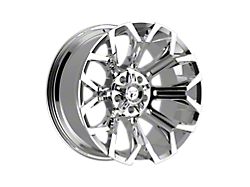
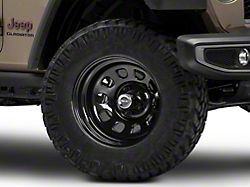
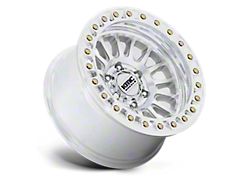
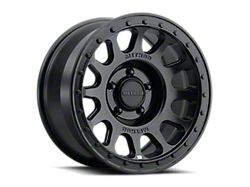

Upgrading your Tundra's wheels transforms more than just appearance—it's about enhancing capability, personalizing your truck's character, and ensuring you have the right equipment for how you actually use your vehicle. Our selection spans multiple size options, finish varieties, and design philosophies, giving you the freedom to build a truck that reflects your individual needs and aesthetic preferences. Each wheel has been evaluated for load capacity, durability, and compatibility with the Tundra platform, ensuring seamless integration with your truck's existing systems and modification plans.
Our Toyota Tundra wheels collection features options across multiple categories to help you find exactly what you need:
Wheel Diameter- 20 Inch - Perfect for those seeking an aggressive stance with enhanced brake clearance, 20-inch wheels deliver commanding road presence while accommodating larger brake systems and providing reduced sidewall flex for improved handling response.
- 18 Inch - Offering an ideal balance between performance and comfort, 18-inch wheels provide excellent handling characteristics while maintaining ride quality, making them a versatile choice for both daily driving and spirited performance.
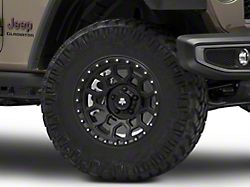
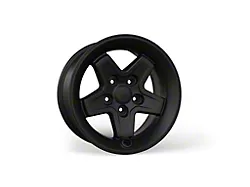
- Black - Bold and sophisticated, black finishes create a striking contrast that emphasizes your vehicle's lines while offering practical benefits like excellent brake dust concealment and low-maintenance appeal for both street and trail use.
- Gunmetal/Gray - Versatile and refined, gunmetal and gray finishes deliver understated elegance that complements any vehicle color while providing a modern aesthetic that bridges the gap between aggressive and sophisticated styling.
- Custom - Unique designs that break away from factory limitations, offering distinctive spoke patterns, intricate details, and personalized aesthetics that transform your vehicle into a true expression of individual style.
- Simulated Beadlock - Engineered for serious off-road performance, simulated beadlock designs deliver the aggressive, purpose-built appearance of competition wheels while maintaining street legality and everyday practicality.
Making an informed decision about toyota tundra wheels requires understanding the technical aspects that separate basic options from premium solutions. Material quality, engineering design, and manufacturing processes all contribute to how products perform in real-world conditions. Below, we explore key questions that buyers frequently encounter when evaluating their options, helping you identify the features and specifications that matter most for your particular application.
Frequently Asked Questions
1. What makes wheel selection different for the Tundra compared to mid-size trucks?
The Tundra's full-size dimensions and heavy-duty capability demand wheels engineered for substantially higher loads. While mid-size truck wheels might rate around 2,500 lbs, Tundra wheels should meet or exceed 3,000 lbs per wheel to safely handle the truck's higher GVWR, especially when towing or hauling at capacity. The Tundra's larger brake packages also require careful attention to spoke clearance—particularly if you've upgraded to larger rotors. Additionally, the Tundra's greater mass makes proper wheel weight a bigger factor in ride quality and handling. Heavier wheels amplify the Tundra's already substantial unsprung weight, potentially degrading ride comfort and acceleration. Quality forged or flow-formed wheels provide necessary strength without excessive weight. Learn more in our How Does Wheel Size Affect Ride Quality?.
2. How do I choose the right wheel size for towing and payload demands?
For maximum towing capacity and payload, wheel size involves balancing multiple factors. Larger 20-inch wheels accommodate high-performance brake systems that provide better stopping power when towing heavy trailers, but they require lower-profile tires that may limit payload capacity ratings. Many serious towers prefer 18-inch wheels with higher-capacity tires that offer better load ratings while maintaining reasonable brake clearance. The increased sidewall also provides more cushioning when hauling heavy bed loads over rough terrain. Always cross-reference your chosen wheel and tire combination's load index against your specific towing and hauling requirements—tire load rating typically becomes the limiting factor before wheel strength.
3. Should I prioritize forged wheels for my Tundra?
Forged wheels offer compelling advantages for Tundra applications but come at premium prices. The forging process creates denser, stronger metal structures that reduce weight by 20-40% compared to cast wheels while maintaining or exceeding strength. For Tundra owners who regularly tow near capacity, venture off-road frequently, or want the best possible performance, forged wheels deliver measurable benefits in acceleration, braking, and fuel economy. However, quality flow-formed wheels provide a middle ground—they use rotational forming to strengthen cast blanks, achieving 80-90% of forged wheel performance at 50-60% of the cost. For occasional towers or predominantly street-driven Tundras, premium flow-formed wheels often represent the sweet spot of performance and value.
4. What offset works best for the Tundra's factory stance versus lifted configurations?
Stock Tundras typically use positive offset (around +30mm to +60mm) that tucks wheels inward for optimal suspension geometry and minimal tire protrusion beyond fenders. This factory offset works well for OEM+ builds with mild leveling kits and moderate tire increases. Once you install 3+ inch lifts and larger tires, neutral to slightly negative offset (0mm to -12mm) provides necessary clearance while improving stance and stability. More aggressive negative offset creates the wide, purposeful look many enthusiasts seek but can increase steering effort, accelerate bearing wear, and stress ball joints. Test your specific lift, tire, and wheel combination—wheel offset interacts with backspacing and wheel width to determine final fitment.
5. How do finish options impact long-term durability on a truck used for work?
Finish durability matters significantly for work trucks exposed to harsh conditions. Powder-coated finishes offer superior protection against chips, scratches, and corrosion compared to paint or chrome. Matte and satin finishes hide damage better than gloss surfaces while shedding brake dust and road grime naturally. Wheels with exposed machined aluminum faces look stunning initially but require more maintenance and show weathering over time—the machined surface oxidizes without regular polishing. For maximum longevity in challenging environments, prioritize fully powder-coated wheels in matte or satin black, bronze, or gunmetal. These finishes withstand years of abuse while maintaining appearance with minimal maintenance.
Fitment Includes
- 2007, 2008, 2009, 2010, 2011, 2012, 2013, 2014, 2015, 2016, 2017, 2018, 2019, 2020, 2021, 2022, 2023 and 2024 Toyota Tundras
- Base, SR, SR5, Limited, Platinum, 1794 edition, and TRD Pro models
*Please see Tundra parts pages for any exceptions.