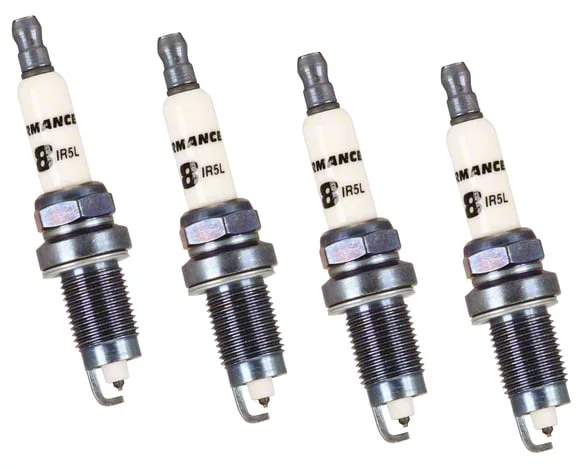
Spark plug specs for: JK | CJ | XJ | ZJ | WJ | Renegade BU | Liberty KJ
The Jeep Cherokee XJ has been one of the most capable and dependable rigs on and off the road since 1984, and keeping the ignition system dialed in is a big part of why these trucks keep running well past 200,000 miles. Whether you are doing a routine tune-up or chasing down a misfire, getting the right spark plug spec for your engine is step one. This guide covers the exact gap, torque, and part numbers for every XJ engine — the 2.5L four-cylinder and the 4.0L inline-six — along with firing order, replacement steps for both distributor and coil-rail setups, and answers to the most common questions XJ owners ask. If you need help matching a plug to your specific build, our Sales Techs are XJ enthusiasts who have done this job on their own rigs.
Cherokee XJ Spark Plug Specifications
The Jeep Cherokee XJ uses copper-core spark plugs across all engine options. Whether you are running the 2.5L four-cylinder or the legendary 4.0L inline-six, the factory gap is 0.035 inches (0.89 mm) and torque spec is 26-30 ft-lbs (35-41 Nm). Champion RC12LYC is the go-to OEM plug for most XJ model years.
The table below breaks down the exact specs by engine and year range so you can match the right plug to your rig without guessing.
|
Engine
|
Years
|
Plug Type
|
Gap
|
Torque
|
Recommended Plug
|
|
2.5L I-4
|
1984-2001
|
Copper Core
|
0.035 in / 0.89 mm
|
26-30 ft-lbs (35-41 Nm)
|
Champion RC12LYC
|
|
4.0L I-6
|
1987-1999 (distributor)
|
Copper Core
|
0.035 in / 0.89 mm
|
26-30 ft-lbs (35-41 Nm)
|
Champion RC12LYC / NGK FR5-1
|
|
4.0L I-6
|
1999-2001 (coil rail)
|
Copper Core
|
0.035 in / 0.89 mm
|
26-30 ft-lbs (35-41 Nm)
|
Champion RC12ECC / NGK ZFR5N
|
Firing Order
Getting the firing order right matters when you are tracing a misfire or replacing plug wires. Here is what you need:
- 4.0L I-6: 1-5-3-6-2-4
- 2.5L I-4: 1-3-4-2
Cylinder one is at the front of the engine on both powerplants. If you are replacing your Cherokee XJ ignition parts, label each wire before you pull it so you do not mix up the order.
Choosing the Right Spark Plug for Your XJ
Can you use iridium or platinum spark plugs in a Jeep 4.0? The short answer is no — copper core is the way to go. The XJ's ignition system was designed around copper-core plugs, and swapping to iridium or platinum can actually cause more problems than it solves.
Why Copper Core Works Best
The 4.0L inline-six and 2.5L four-cylinder both use a low-energy ignition system that pairs naturally with copper-core plugs. Copper has the highest electrical conductivity of any spark plug electrode material, which means the spark fires consistently at lower voltages. That is exactly what these engines need.
Iridium and platinum plugs are built for high-energy coil-on-plug ignition systems found in modern vehicles. When you drop them into an XJ, the higher resistance electrode can lead to:
- Rough idle and intermittent misfires
- Hesitation under load, especially on the trail
- Reduced throttle response at low RPM
You will find plenty of forum debates about this, but the XJ community has settled it: stick with copper. The plugs are inexpensive, and the 30,000-mile replacement interval is easy to stay on top of.
Recommended Brands and Part Numbers
Here are your best options by brand:
- Champion (OEM supplier): RC12LYC for distributor models, RC12ECC for coil-rail models (2000-2001). This is what came in your XJ from the factory.
- NGK: FR5-1 for distributor models, ZFR5N for coil-rail models. NGK is a trusted name in ignition, and these plugs are direct replacements with no fitment issues.
- Autolite: 64 for distributor models, AP64 for coil-rail models. Autolite is a solid budget option if you are doing plugs and wires together and want to keep costs down.
All three brands use a 13/16-inch hex and the same thread pitch, so you do not need different tools regardless of which plug you choose. If you are not sure which plug fits your specific setup — especially if you have done engine modifications — our Sales Techs are real XJ enthusiasts who can help match parts to your build.
How to Replace Spark Plugs on a Cherokee XJ
Replacing spark plugs on a Jeep Cherokee XJ is one of the most straightforward maintenance jobs you can do. With the inline engine layout, every plug is easy to reach — no fighting with transverse-mounted engines or buried plug wells.
Tools You Will Need
Gather these before you start:
- 5/8-inch spark plug socket (magnetic or rubber insert)
- 3/8-inch ratchet with 6-inch extension
- Spark plug gap tool (wire gauge type recommended)
- Torque wrench (ft-lb range that covers 26-30)
- Anti-seize compound (a thin coat on the threads)
- Dielectric grease (for the inside of each boot)
Distributor Models (1984-1999)
These are the simplest XJs to work on. Your ignition system uses a distributor cap, rotor, and individual plug wires running to each cylinder.
- Let the engine cool completely. Pulling plugs from a hot aluminum head risks thread damage.
- Grab the plug wire boot — not the wire itself — and twist it a quarter turn before pulling it free.
- Use your spark plug socket and extension to remove each plug. Inspect them as they come out.
- Check the gap on each new plug with your gap tool, even if the box says "pre-gapped." Confirm 0.035 inches.
- Thread each new plug in by hand first to avoid cross-threading, then torque to 26-30 ft-lbs.
- Apply a small dab of dielectric grease inside each wire boot and press each boot firmly onto its plug until you feel it click.
Work one cylinder at a time so you never mix up the firing order. For a complete refresh of your ignition system, consider replacing your plug wires and distributor cap at the same time.
Coil Rail Models (2000-2001)
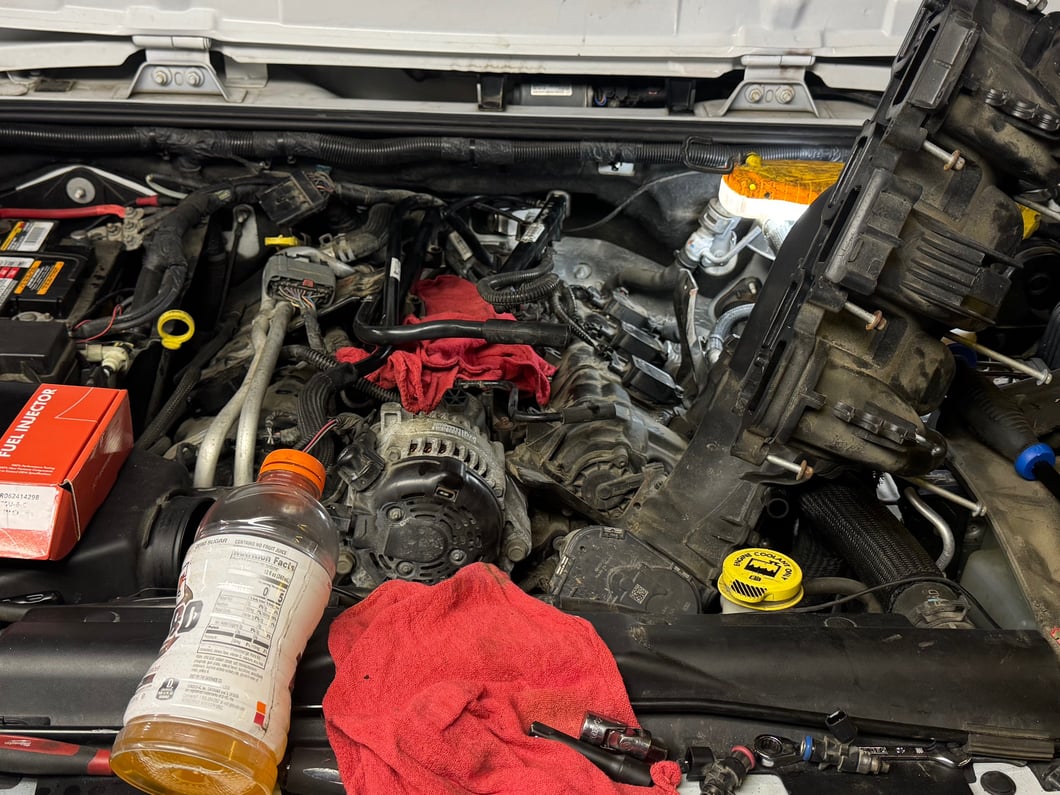
The 2000-2001 XJ uses a coil rail (also called a coil pack or cassette) that sits on top of all six plugs. The process is slightly different:
- Disconnect the electrical connector from the coil rail.
- Remove the four bolts securing the coil rail to the valve cover.
- Lift the rail straight up and set it aside. Be careful — the boots can stick to the plugs.
- Remove and replace each plug using the same gap and torque specs as the distributor models.
- Reinstall the coil rail, torque the mounting bolts, and reconnect the electrical connector.
If a boot tears or stays stuck on a plug, replace it before reinstalling. A damaged boot causes arcing and misfires.
Torque and Gap Tips
Two numbers matter every time you do this job:
- Gap: 0.035 inches (0.89 mm). Always verify with a gap tool. Even "pre-gapped" plugs can be off by a few thousandths from handling during shipping. A plug that is too wide or too narrow will cause misfires or hard starting.
- Torque: 26-30 ft-lbs (35-41 Nm). Under-torqued plugs can vibrate loose and blow out of the head. Over-torqued plugs strip the threads in the aluminum cylinder head — and that is a repair you do not want to deal with on the trail.
If you are looking for other maintenance specs for your rig, the XJ fluid capacities guide covers oil, coolant, and transmission fluid.
Signs Your XJ Spark Plugs Need Replacing
What kills spark plugs quickly? Heat, carbon buildup, oil contamination, and worn electrodes all shorten plug life. On an XJ with 100,000-plus miles, plugs are one of the first things to check when the engine starts acting up.
Symptoms to Watch For
If your XJ is doing any of the following, pull a plug and take a look:
- Rough idle: The engine shakes or stumbles at idle, especially when cold.
- Misfires under load: Hesitation or bucking when you hit the throttle, particularly going uphill or on the trail.
- Poor fuel economy: A drop of one to two MPG that you cannot explain with other factors.
- Hard starting: The engine cranks longer than usual before firing, especially in cold weather.
Check Engine Codes
Your OBD-II scanner (1996-2001 models) can point you directly at the problem:
- P0300: Random or multiple cylinder misfire — could be plugs, wires, or both.
- P0301 through P0306: Cylinder-specific misfire. The last digit tells you which cylinder. Pull that plug first.
Even on pre-OBD-II XJs (1984-1995), a rough-running engine that smooths out after a plug swap confirms the diagnosis. If you are still seeing issues after fresh plugs, our Sales Techs can help you troubleshoot — they are real enthusiasts who wrench on these rigs every day.
Visual Inspection
Pull a plug and look at the electrode and insulator:
- Light tan or gray deposits: Normal. Your plugs are healthy.
- Heavy black carbon fouling: Rich fuel mixture, stuck injector, or a plug that has gone past its service life.
- Worn or rounded electrode: The plug has done its job. Replace it.
- Oil deposits or wet fouling: Possible valve guide wear or failing valve cover gasket. Address the oil leak before installing new plugs.
Replacement Interval
Copper-core plugs in the XJ should be replaced every 30,000 miles. That is shorter than the interval for iridium or platinum plugs in modern vehicles, but copper plugs cost a fraction of the price and the swap takes less than an hour. It is one of the cheapest ways to keep your inline-six running strong.
For more maintenance and build info on your rig, check out the Cherokee XJ service guide or browse engine performance parts to keep your XJ running at its best.
Frequently Asked Questions About Cherokee XJ Spark Plugs
These are the most common questions XJ owners ask about spark plug specifications, replacement, and maintenance for the 2.5L and 4.0L engines.
What Is the Correct Spark Plug Gap for a Jeep Cherokee XJ?
The correct spark plug gap for all Jeep Cherokee XJ engines is 0.035 inches (0.89 mm). This applies to both the 2.5L four-cylinder and the 4.0L inline-six across every model year from 1984 to 2001. Always verify the gap with a wire gauge tool before installation, even on plugs labeled as pre-gapped.
What Is the Torque Spec for Jeep 4.0 Spark Plugs?
The factory torque specification for spark plugs in the Jeep 4.0L inline-six is 26-30 ft-lbs (35-41 Nm). This same torque range applies to the 2.5L four-cylinder as well. Under-torquing risks blowout, while over-torquing can strip the aluminum cylinder head threads.
What Is the OEM Spark Plug for a Jeep Cherokee XJ?
The OEM spark plug for the Jeep Cherokee XJ is the Champion RC12LYC for distributor-equipped models (1984-1999) and the Champion RC12ECC for coil-rail models (2000-2001). NGK equivalents are the FR5-1 and ZFR5N, respectively. All are standard copper-core plugs.
Can You Use Iridium Spark Plugs in a Jeep 4.0?
Iridium and platinum spark plugs are not recommended for the Jeep 4.0L engine. The XJ's ignition system was designed for copper-core plugs, and precious-metal plugs can cause rough idle, intermittent misfires, and hesitation under load due to their higher electrode resistance.
How Often Should You Change Spark Plugs on a Cherokee XJ?
Standard copper-core spark plugs in the Cherokee XJ should be replaced every 30,000 miles. Copper plugs wear faster than iridium or platinum, but they cost a fraction of the price and provide the best performance match for the 4.0L and 2.5L ignition systems.
What Is the Firing Order for a Jeep 4.0 Inline-Six?
The firing order for the Jeep 4.0L inline-six is 1-5-3-6-2-4, with cylinder one at the front of the engine. The 2.5L four-cylinder firing order is 1-3-4-2. Knowing the correct firing order is essential when replacing plug wires or diagnosing a cylinder-specific misfire.
What Happens If the Spark Plug Gap Is Too Big?
An excessively wide spark plug gap forces the ignition coil to produce higher voltage to bridge the distance, which can cause misfires, rough idling, and hard starting. On the Cherokee XJ, exceeding the 0.035-inch factory gap puts unnecessary strain on the ignition system and reduces spark consistency.