Jeep Alignment Specification Guides: Wrangler JK | Grand Cherokee ZJ | Liberty KJ | Gladiator | Renegade BU
Your Jeep Renegade BU is built to handle everything from daily commutes to light off-road duty, but none of that works right if your wheels aren't properly aligned. Whether you're running a base 4x2 Sport, a 4x4 Latitude, or a trail-ready Trailhawk, each trim has its own alignment specs, and getting them dialed in matters for tire life, handling, and safety. This guide covers every OEM wheel alignment specification for the 2015-2023 Renegade BU, broken down by drivetrain and region. You'll also find practical guidance on what caster, camber, and toe actually do, how to spot misalignment, and when to get your rig checked.
Renegade BU Alignment Specifications By Trim And Drivetrain
![]() What are the wheel alignment specs for a Jeep Renegade BU? The Renegade BU's alignment specs vary by drivetrain (4x2, 4x4, or Trailhawk) and by market region. Front specs include caster, camber, and single toe measurements, while rear specs cover camber and single toe. All values are listed in degrees with their acceptable tolerances below.
What are the wheel alignment specs for a Jeep Renegade BU? The Renegade BU's alignment specs vary by drivetrain (4x2, 4x4, or Trailhawk) and by market region. Front specs include caster, camber, and single toe measurements, while rear specs cover camber and single toe. All values are listed in degrees with their acceptable tolerances below.
North America Specifications (USA, Canada, Mexico, Japan)
Front Wheel Alignment
|
Spec
|
4x2
|
4x4
|
Trailhawk
|
|
Single Toe
|
-0.08° ± 0.07°
|
-0.07° ± 0.07°
|
-0.03° ± 0.07°
|
|
Camber
|
-0.62° ± 0.50°
|
-0.63° ± 0.50°
|
-0.55° ± 0.50°
|
|
Caster
|
5.22° ± 0.50°
|
4.95° ± 0.50°
|
4.90° ± 0.50°
|
Rear Wheel Alignment
|
Spec
|
4x2
|
4x4
|
Trailhawk
|
|
Single Toe
|
0.15° ± 0.07°
|
0.08° ± 0.07°
|
0.07° ± 0.07°
|
|
Camber
|
-1.07° ± 0.50°
|
-1.13° ± 0.50°
|
-0.95° ± 0.50°
|
International Specifications (Europe, Middle East, Africa, Asia-Pacific, Australia)
Front Wheel Alignment
|
Spec
|
4x2
|
4x4
|
Trailhawk
|
|
Single Toe
|
-0.08° ± 0.07°
|
-0.10° ± 0.07°
|
0.03° ± 0.07°
|
|
Camber
|
-0.62° ± 0.50°
|
-0.78° ± 0.50°
|
-0.55° ± 0.50°
|
|
Caster
|
5.22° ± 0.50°
|
5.05° ± 0.50°
|
4.90° ± 0.50°
|
Rear Wheel Alignment
|
Spec
|
4x2
|
4x4
|
Trailhawk
|
|
Single Toe
|
0.15° ± 0.07°
|
0.12° ± 0.07°
|
0.07° ± 0.07°
|
|
Camber
|
-1.07° ± 0.50°
|
-1.30° ± 0.50°
|
-0.96° ± 0.50°
|
Notice the differences between regions: the international 4x4 model runs slightly more negative camber in both front (-0.78° vs. -0.63°) and rear (-1.30° vs. -1.13°) compared to the North American spec. If you've imported a Renegade or are working on one outside the US, make sure your shop is referencing the correct regional values. If you're unsure which spec set applies to your specific build configuration, our Sales Techs know the Renegade BU platform and can help you sort it out.
What Caster, Camber, And Toe Mean For Your Renegade
Before you hand your alignment sheet to a tech, it helps to understand what these three angles actually control. Each one affects how your Renegade steers, wears tires, and handles at speed or on uneven terrain.
Caster
Caster is the angle of your steering axis when viewed from the side of your Renegade. A positive caster angle tilts the steering axis toward the driver, which improves straight-line stability and helps your steering wheel return to center after a turn. The Renegade BU runs between 4.90° and 5.22° of positive caster depending on trim. If your caster is off, you'll notice wandering at highway speeds and a steering wheel that doesn't self-center smoothly. For a deeper look at how caster works across Jeep platforms, check out this guide to Jeep caster angle settings.
Camber
Camber measures the inward or outward tilt of your wheel when viewed from the front of the vehicle. A negative camber value means the top of the tire leans inward, which improves cornering grip. The Renegade BU specs call for slight negative camber across all trims, ranging from -0.55° to -1.30° depending on axle position and region. Too much negative camber wears the inside edge of your tires prematurely, while too little reduces cornering stability, especially on off-camber trail sections.
Toe
Toe describes whether your tires point slightly inward (toe-in) or outward (toe-out) when viewed from above. Front toe on the Renegade is set to a slight toe-out (negative values), which aids turn-in response. Rear toe is set to slight toe-in (positive values) for directional stability. Even small deviations from spec, just a tenth of a degree, can cause noticeable tire scrub and uneven wear over thousands of miles. Learn more about how Jeep toe settings affect your driving experience.
Why Wheel Alignment Matters On Your Jeep Renegade
![]() Alignment isn't just a maintenance checkbox. It directly affects how your Renegade performs every time you drive it, whether you're on pavement or dirt. Here's what proper alignment gets you:
Alignment isn't just a maintenance checkbox. It directly affects how your Renegade performs every time you drive it, whether you're on pavement or dirt. Here's what proper alignment gets you:
- Extended tire life. Misaligned wheels force your tires to drag slightly with every rotation instead of rolling true. That constant scrubbing eats through tread unevenly, and you could lose thousands of miles of tire life from an alignment that's just half a degree off spec. If you've invested in quality Renegade tires, protecting that investment starts with getting your alignment right.
- Better handling and safety. When your camber, caster, and toe are within spec, your Renegade tracks straight, turns predictably, and responds the way you expect. Out-of-spec alignment causes pulling, wandering, and inconsistent braking behavior that gets worse as speed increases.
- Improved fuel efficiency. Tires that are dragging or scrubbing create rolling resistance. Your engine works harder to maintain speed, and you burn more fuel doing it. Proper alignment reduces that resistance and keeps your Renegade running as efficiently as it was designed to.
- Off-road reliability. If you're taking your Renegade on trails, properly aligned wheels mean predictable traction and even tire contact with the ground. Misalignment can cause one tire to carry more load than the others on uneven terrain, reducing grip right when you need it most. This is especially important on the Trailhawk, where the raised ride height and different suspension geometry already change how the tires meet the ground.
Signs Your Jeep Renegade Needs An Alignment
Your Renegade won't always flash a warning light when the alignment goes out of spec, but it will give you clear signals if you know what to look for. Watch for these symptoms:
- Vehicle pulling to one side. If your Renegade drifts left or right when you let go of the steering wheel on a flat, straight road, your alignment is likely off. This is one of the most common signs and usually points to uneven camber or caster between sides.
- Uneven tire wear patterns. Check your tread regularly. If the inside or outside edge of a tire is wearing faster than the rest, that's a camber issue. Feathered wear across the tread usually means a toe problem. Catching these patterns early can save you from replacing tires prematurely.
- Steering wheel off-center. If your steering wheel sits crooked when you're driving straight, your toe or thrust angle is off. This is more than a cosmetic issue since it means your wheels aren't pointed where your steering system thinks they are.
- Vibration in the steering wheel. While vibration can come from unbalanced tires or worn suspension parts, persistent shaking at speed can also result from severe misalignment, especially when combined with uneven tire wear.
- Squealing tires on turns. If you hear your tires protesting during normal cornering, excessive toe or camber misalignment may be causing the rubber to scrub against the pavement. This isn't normal behavior on a properly aligned Renegade.
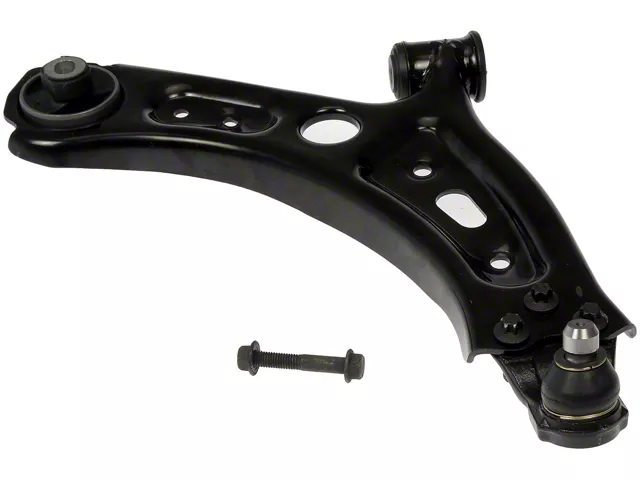
- Handling feels loose or unpredictable. When your alignment is out of spec, your Renegade may feel vague or floaty at highway speeds, or it may not hold a line through corners the way it should. Worn control arms can contribute to this as well, so inspect your suspension components alongside any alignment check.
When To Check Your Renegade's Alignment
Don't wait until you notice symptoms. Following a proactive schedule keeps your Renegade running right and prevents small misalignments from turning into expensive tire replacements.
Every 12,000 miles. This is the standard interval recommended for the Renegade BU. If you drive primarily on smooth highways, you may be able to stretch this slightly, but 12,000 miles is a solid baseline for most owners.
After every tire replacement. New tires deserve a fresh alignment. Even if your old alignment was within spec, the act of mounting and balancing new rubber is a good opportunity to verify everything is still dialed in. Starting with proper alignment on new tires maximizes their lifespan from day one.
After suspension modifications. If you've installed a lift kit, upgraded your shocks, or swapped in aftermarket control arms, your alignment will need to be reset. Suspension changes alter the geometry your factory alignment was built around, and even a small lift can push your camber and caster out of spec. Our Sales Techs — real Jeep enthusiasts, not script readers — can help you figure out what to expect from your specific setup.
After a significant impact. Hitting a pothole, curb, or trail obstacle hard enough to jar the steering can knock your alignment out. If you regularly take your Renegade off-road, consider checking alignment more frequently than the 12,000-mile interval, especially after rough trail sessions.
After installing larger tires or wheel spacers. Changing your wheel offset or rolling diameter changes how the alignment angles interact with the road surface. A quick alignment check after any wheel or tire size change ensures your specs are still where they should be.
Ready to explore upgrades for your Renegade? Browse Renegade parts and accessories to find wheels, tires, suspension components, and everything else you need to build your BU the way you want it. For alignment specs on other Jeep models, check out the full Jeep wheel specifications guide.
Frequently Asked Questions About Jeep Renegade Alignment
These are the most common alignment questions Renegade BU owners ask, answered with the specific details you need.
What Are the Wheel Alignment Specs for a Jeep Renegade BU?
The Renegade BU alignment specs vary by drivetrain. For North American 4x4 models, front caster is 4.95° ± 0.50°, front camber is -0.63° ± 0.50°, and front single toe is -0.07° ± 0.07°. Rear single toe is 0.08° ± 0.07° and rear camber is -1.13° ± 0.50°. Trailhawk and 4x2 trims use different values.
What Is the Acceptable Range for Wheel Alignment?
For the Renegade BU, each alignment specification includes a tolerance range (±). Camber and caster tolerances are ± 0.50°, while toe tolerances are tighter at ± 0.07°. Any measurement within the stated tolerance is considered acceptable, but settings closer to the preferred value deliver the best tire wear and handling.
How Much Does a Wheel Alignment Cost for a Jeep Renegade?
Alignment pricing varies by shop, region, and whether additional suspension adjustments are needed. A standard four-wheel alignment at most shops and dealerships generally runs a few hundred dollars. Contact a local shop or dealer for a quote specific to your Renegade and its modifications.
What Should Alignment Specs Be?
Alignment specs should match the manufacturer's recommended values for your specific vehicle, trim, and drivetrain. For the Renegade BU, Jeep specifies different preferred angles for 4x2, 4x4, and Trailhawk trims. Always use the values for your exact configuration rather than generic alignment targets.
How Often Should You Align a Jeep Renegade?
Check your Renegade's alignment every 12,000 miles under normal driving conditions. You should also get an alignment after replacing tires, after any suspension modification or lift kit installation, and after hitting a significant pothole or trail obstacle hard enough to jar the steering.
What Are the Signs Your Jeep Renegade Needs an Alignment?
Common signs include the vehicle pulling to one side on flat roads, uneven tire wear on inner or outer edges, a steering wheel that sits off-center when driving straight, steering vibration at highway speeds, and squealing tires during normal turns. Any of these symptoms warrant an alignment check.
What Is the Difference Between 4x2 and 4x4 Alignment Specs on a Renegade?
The 4x4 Renegade runs slightly less positive caster (4.95° vs. 5.22°) and slightly more negative camber (-0.63° vs. -0.62°) than the 4x2 in North American spec. These differences account for the added weight and geometry of the all-wheel-drive system. Always confirm your drivetrain type before having alignment work done.
How Do Trailhawk Alignment Specs Differ From Standard Renegade Specs?
The Trailhawk runs 4.90° caster (the lowest of all three trims), -0.55° front camber (the least negative), and -0.03° front toe (closest to zero). These settings accommodate the Trailhawk's raised suspension and off-road-tuned geometry, prioritizing trail stability over on-road tracking precision.
Can You Do a Wheel Alignment on a Jeep Renegade at Home?
You can check and adjust toe at home with basic tools like a tape measure, string, or a toe alignment tool. However, adjusting caster and camber on the Renegade BU typically requires a professional alignment rack because these angles are set by the suspension geometry and are not easily field-adjustable without specialized equipment.