 FREE 1 to 3-Day Delivery on Orders $149+ Details

The Engineering Behind Off-Road Vehicles

Extreme Terrain Staff
/ May 21 2026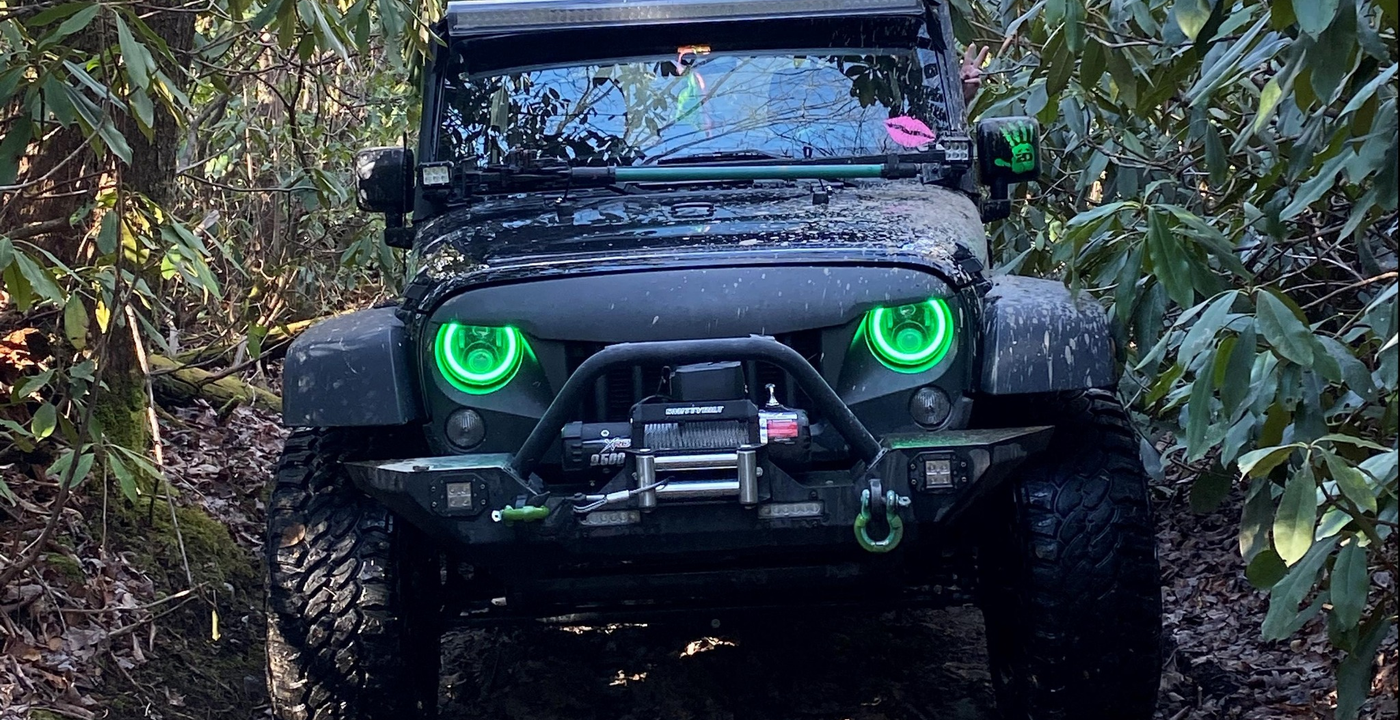
When we picture an off-road vehicle, we often jump straight to a rugged machine plastered in mud, scaling a jagged rock face, or churning through deep desert sand. Yet the reality of the modern 4x4 is far more sophisticated; it's a dual-purpose engineering masterpiece.
Today's trucks and SUVs are built to perform a complex balancing act, operating as smooth, quiet daily drivers that handle highway speeds and grocery store parking lots with ease. These vehicles provide a comfortable, refined experience throughout the work week, complete with advanced infotainment and climate control.
But when the weekend arrives, these same machines offer the extreme mechanical durability and specialized geometry needed to leave the asphalt behind for remote camping trips, mountain trail exploration, and demanding backcountry expeditions. This impressive versatility is enabled by several foundational engineering principles that allow the vehicle to adapt to almost any surface condition.
Traction and the Architecture of Tread
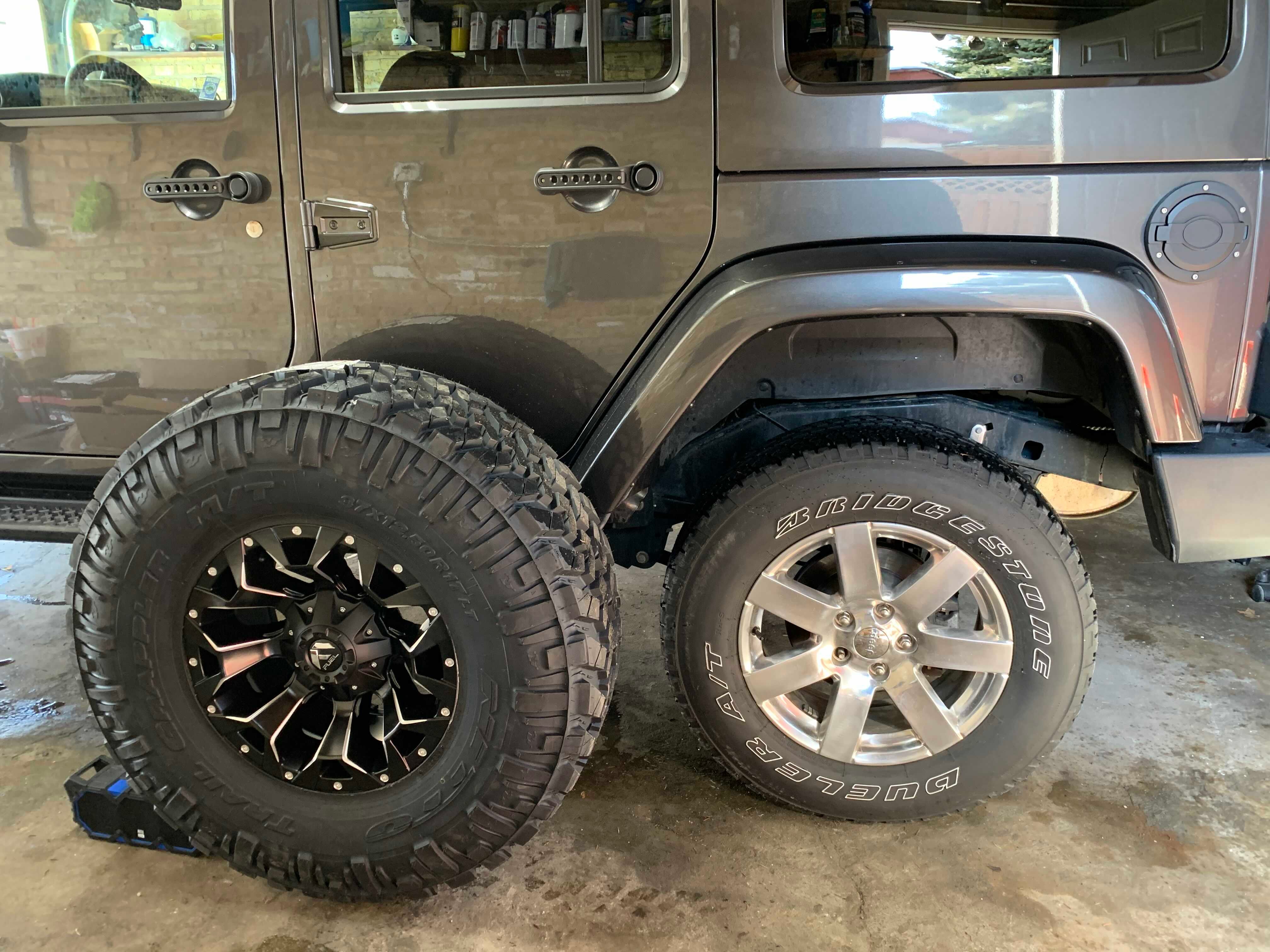
The way an off-road vehicle interacts with roads and terrain is fundamentally different from a standard sedan or crossover. Regular road tires are optimized for a single surface - flat asphalt - and are engineered to be quiet, efficient, and maintain maximum continuous contact with it. Off-road tires, by contrast, are built around a broader brief. They must perform adequately on pavement while also delivering meaningful grip on loose soil, mud, and rock, a balance achieved through a concept known as mechanical keying, or "bite."
Off-road tires are the vehicle's primary tools for traction, featuring deep grooves and large, chunky tread blocks. These aggressive patterns are designed to work like a gear, physically digging into and locking with loose soil, slick mud, or snow. Engineers also design these tires to perform a critical task: self-cleaning. As the tire rotates, the spaces between the tread blocks release the packed mud and dirt, ensuring the tire has a fresh, sharp edge ready for the next rotation.
The physical construction and flexibility of all-terrain tires play a vital role in stability when tackling unpredictable surfaces. Off-road tires are reinforced with extra layers, often including Kevlar or steel belts, to prevent punctures from sharp rocks and sticks. Crucially, they are also designed to be "aired down." When drivers intentionally lower tire pressure, the tire's sidewall flexes, allowing it to flatten like a pancake. This significantly increases the tire's footprint, spreading the vehicle's weight over a much larger surface area. This tactic accomplishes two major goals: it prevents the vehicle from sinking into soft terrain such as sand or deep mud, and it provides significantly more grip because the tire can mold itself over large, uneven obstacles such as boulders or logs.
Engineering Flex: Suspension and Articulation
If you tried to drive a standard passenger car over a large fallen log or through a deep ditch, the rigid chassis would be unable to conform to the terrain, likely lifting one or more wheels entirely off the ground and causing a loss of control. Off-road engineering overcomes this by using highly specialized suspension systems that allow extreme articulation.
In this context, articulation refers to the independent vertical movement of the wheels - the ability of one wheel to nestle high in the wheel well while the opposite wheel drops low into a rut, all while the vehicle's body remains relatively level. Off-road engineers use long-travel shock absorbers and highly flexible springs to ensure that, even on wildly uneven terrain, all four tires maintain near constant contact with the ground. This contact is the lifeblood of off-roading; if a tire is hanging helplessly in the air, it cannot provide any traction or braking force. Furthermore, these long-travel suspension systems are engineered to absorb significant dynamic impacts, acting as a cushion that protects the vehicle's frame from damage and keeps passengers comfortable during a slow, bumpy crawl through the wilderness.
Deep Gearing: Mastering Gearing and Torque
One of the most critical advantages of an off-road vehicle is its low-range gearing. In traditional 4WD vehicles, this is often provided through a transfer case, which can multiply torque and help the vehicle crawl slowly over obstacles with greater control. To understand why this matters, you have to look at the difference between speed and torque (the rotational force that turns the wheels).
When you are cruising on a highway, your car can maintain speed with the engine spinning at an efficient rate. But when you are trying to climb a steep, rocky incline, speed is actually your enemy. High speed requires more braking control and can lead to skidding and broken parts. Instead, you need extreme torque to powerfully turn the massive, air-down tires over obstacles. Low-range gearing acts like the lowest gears on a mountain bike, multiplying the engine's rotational power several times so it does more work over a shorter distance. This geometric advantage allows the wheels to turn incredibly slowly but with substantial force. It gives the driver precise, surgical control to "crawl" over obstacles at a walking pace without ever needing to floor the gas pedal. This slow-and-steady approach prevents wheel spin and dynamic drivetrain shocks, allowing a heavy 4x4 to ascend grades that would be impossible for a standard vehicle, regardless of how much horsepower it has.
The Specialized Off-Road Features
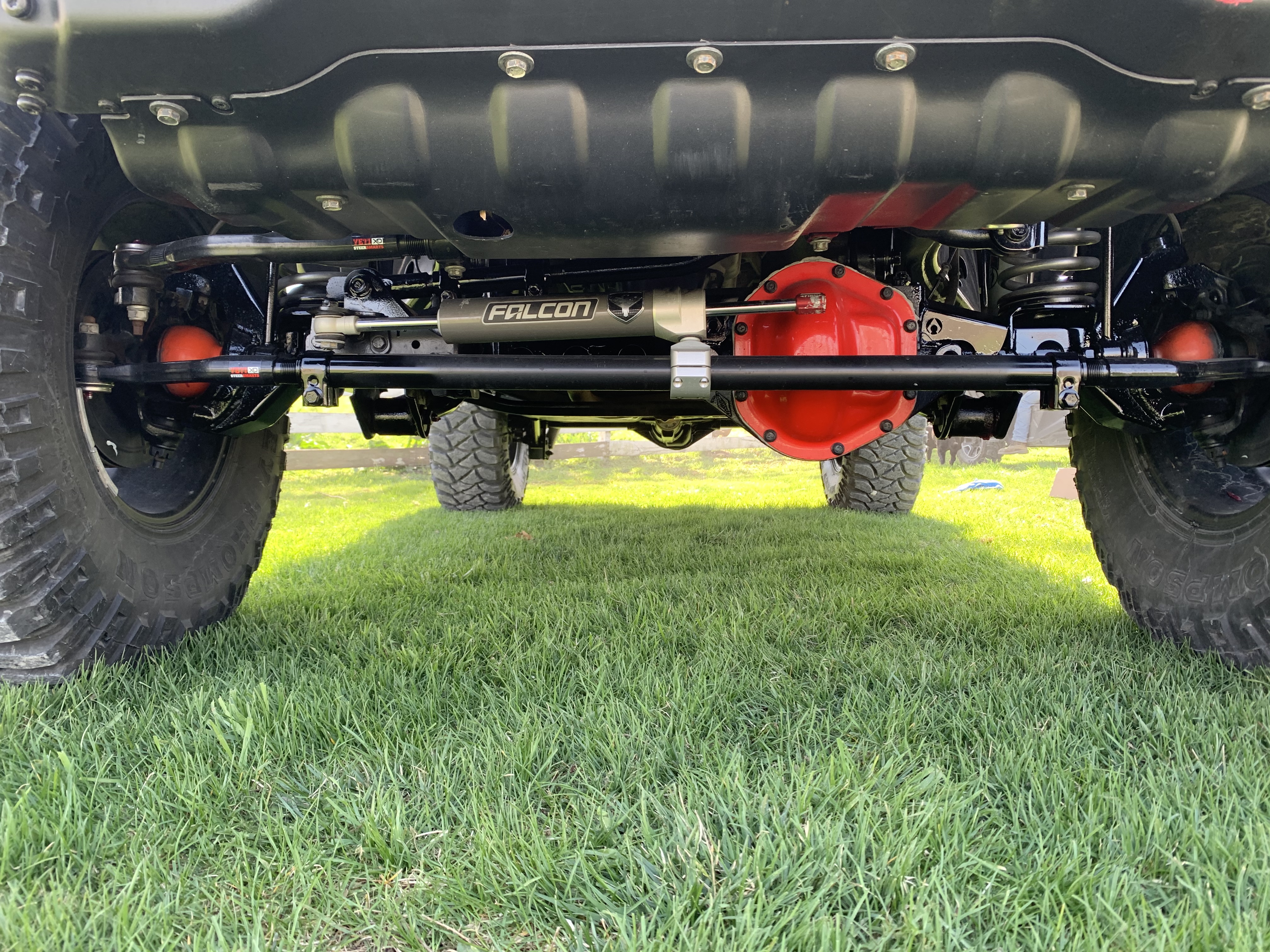
To survive the extreme mechanical stresses of difficult terrain, off-road vehicles rely on a suite of heavy-duty components that are often significantly larger and stronger than their on-road counterparts. Each of these parts is a targeted engineering solution to a specific environmental challenge:
Bigger Tires with Knobby Treads: Beyond just "biting" into the surface, these oversized tires increase the distance between the wheel centers and the terrain. This provides vital extra ground clearance, preventing the underbody and oil pan from slamming into rocks or logs.
Lifted Suspension Systems: Utilizing specialized springs, shocks, and longer control arms, a lift kit physically increases the space between the vehicle's frame and the terrain. While this provides even more clearance, it must be carefully engineered to maintain stability and prevent the vehicle from becoming top-heavy on off-camber slopes.
Axle Differential Lockers: In a standard open differential, power always goes to the wheel with the least resistance. This means if one tire is on ice or in the air, it will spin wildly while the tire with grip does nothing. Lockers "lock" the axle, forcing both wheels to turn at the exact same speed, ensuring that as long as one tire has grip, the vehicle keeps moving forward.
Electronic Traction Control Systems: For nuanced situations when locked axles may not be so effective, electronic ABS sensors can detect loss of traction and redistribute power to compensate for differing grip levels on each side of the vehicle. The computer can apply the brakes to a single spinning wheel, automatically redirecting that power through the differential to the opposing wheel with traction.
Synchronizing Mechanics and the Wild
The engineering philosophy behind modern off-road vehicles is a constant balancing act between durability, flexibility, and everyday usability. A robust frame needs a suspension supple enough to flex over a fallen log; aggressive tires need to remain tolerable on a highway commute. As electronic integration and drive mode selectors become more sophisticated, the fundamentals remain unchanged - it's the gear ratios in the transfer case and the compound of the tire that do the real work. Understanding how these systems operate together is what separates a driver who can confidently explore the backcountry from one who gets stuck at the trailhead.
Additional Resources
- Off-roading 101
- Off-Road, Rail, Marine, and Aviation
- OHV & ATV Safety
- Off-Roading Guide
- Regulation of Off-Road Vehicles
- Off-road Vehicle Engineering Principles
- Types of Off-road Vehicles
- Design and Construction of a 4WD Vehicle
- New Drivetrain Technology for Off-Road Vehicles
- A Beginner Friendly Guide to Off-Roading
- 10 Concepts For Responsible Four-Wheeling
- Ten Safety Rules for Off-Road Driving
- Occupant Safety Resources: Off-Road Vehicles